




How to Use Hand Tools for Gardening Like a Pro Beginner
Starting a garden is one of the most satisfying things you can do. The fresh air, the feel of soil in your hands, and the reward of watching things grow make it all worthwhile. However, many beginners feel overwhelmed before they even dig the first hole. One reason for this is not knowing which tools to use or how to use them correctly.
The truth is, you do not need a shed full of equipment to get started. A small collection of well-chosen hand tools is more than enough for most home gardeners. Additionally, learning to use each tool the right way will save you time, reduce effort, and protect your plants. This guide will walk you through everything you need to know, step by step.
Why Hand Tools Are the Best Starting Point
Power tools have their place in large-scale gardening. However, for most home gardens, hand tools are simply better. They give you more control over what you are doing. They are quieter, lighter, and easier to maneuver in tight spaces.
Additionally, hand tools are kinder to the soil. Heavy machinery can compact the ground and disturb the delicate ecosystem of worms and microorganisms that keep your garden healthy. A hand trowel or cultivator, on the other hand, lets you work precisely without causing unnecessary damage.
Therefore, whether you are tending a raised bed, a container garden, or a small backyard plot, mastering the basics of hand tool use is the smartest move a new gardener can make.
Building Your Garden Hand Tools List
Before you can use tools like a pro, you need to know which ones to own. A solid garden hand tools list does not have to be long or expensive. You need a small core set of tools that cover the most common gardening tasks.
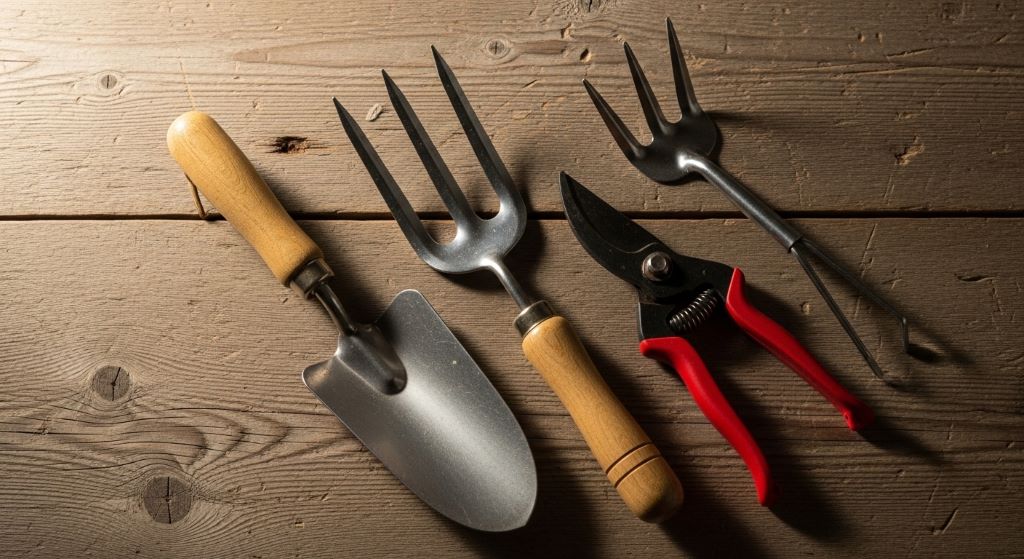
Here are the essential tools every beginner should start with:
- Hand trowel: This is the most versatile tool in any gardener’s kit. Use it for digging small holes, transplanting seedlings, and scooping soil or compost.
- Hand fork: Ideal for loosening compacted soil, aerating around plants, and mixing in fertilizer or amendments.
- Pruning shears: Also called secateurs, these are used for trimming stems, cutting back overgrown plants, and harvesting herbs or vegetables.
- Weeder or dandelion puller: A targeted tool for removing weeds by the root without disturbing nearby plants.
- Hand cultivator: A three-pronged tool used to scratch the soil surface, remove small weeds, and mix in light amendments.
- Watering can: Essential for controlled, gentle watering of seedlings and established plants alike.
This compact toolkit covers planting, pruning, weeding, soil care, and watering. With just these six items, you can handle the vast majority of tasks in any small to medium-sized garden.
How to Use a Hand Trowel Correctly
The hand trowel is the tool you will reach for most often. Using it correctly makes every task faster and easier. First, grip the handle firmly but without tension. A tight, white-knuckle grip will tire your hand quickly. A relaxed, secure grip gives you better control.
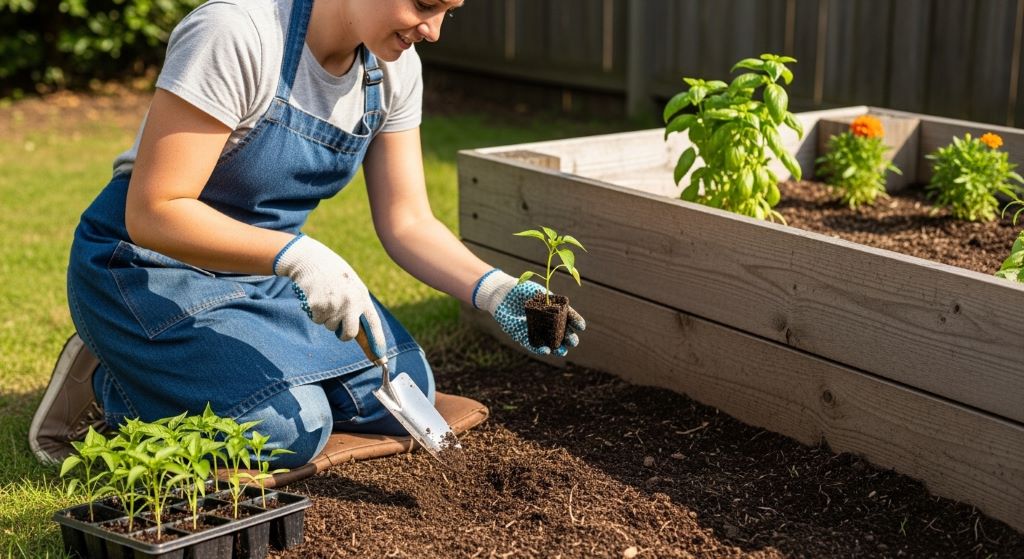
When digging a hole for a seedling, angle the trowel slightly and use a scooping motion. Do not stab straight down repeatedly. Instead, cut into the soil at an angle, then lever it outward to remove a clean scoop. This technique reduces effort and leaves a neater hole.
Additionally, use the measurements on the blade if your trowel has them. Many trowels are marked in inches or centimeters along the blade. This helps you plant at the correct depth without guessing.
For transplanting, always water the plant before and after moving it. The trowel helps you loosen the root ball gently. Slide the blade under the roots at an angle and lift slowly to avoid tearing them.
Mastering the Hand Fork
The hand fork looks like a miniature pitchfork. It is one of the most useful small gardening tools for soil preparation and maintenance. Use it to loosen compacted soil before planting. Push the tines into the ground and rock the fork back and forth gently. This breaks up clumps without turning the entire bed.
The hand fork also works well for mixing compost or fertilizer into the top layer of soil. Simply rake it back and forth through the bed after spreading your amendment. The tines pull everything together evenly.
However, be careful around existing plants. The tines can easily nick roots if you dig too close. Stay at least four to six inches away from plant stems when using this tool.
Additionally, a hand fork is excellent for lifting small root vegetables like radishes or baby carrots. Slide the tines under the vegetable and apply gentle upward pressure. This keeps the root intact without breaking it off in the soil.
Using Pruning Shears Like a Pro
Pruning shears are one of the tools new gardeners often misuse. The most common mistake is using them on stems that are too thick. Pruning shears are designed for stems up to about half an inch in diameter. For anything thicker, you need loppers or a pruning saw.
How to Make a Clean Cut
A clean cut heals faster and reduces the risk of disease. Always cut at a 45-degree angle, just above a leaf node or bud. This angle allows water to run off the cut surface rather than pooling, which can cause rot.
Additionally, never crush the stem with a dull blade. Dull shears tear rather than cut, which damages the plant tissue. Keep your shears sharp and clean them after each use. A quick wipe with rubbing alcohol prevents the spread of disease between plants.
When to Prune
Timing matters as much as technique. Most flowering plants benefit from pruning right after they bloom. Fruit-bearing plants are typically pruned in late winter before new growth begins. However, always research the specific needs of each plant in your garden, as rules vary widely.
Weeding Without Damaging Your Plants
Weeding is one of the least enjoyable tasks in the garden. However, it is also one of the most important. Weeds compete with your plants for water, nutrients, and light. Removing them early and regularly keeps your garden healthy.
A dedicated weeder tool makes this job much easier. Insert the blade or forked tip directly beside the weed stem. Push it down to reach the root, then lever the weed out of the soil. The goal is to remove the entire root. If you only pull the top off, most weeds will grow back.
Therefore, always weed after rain or watering when the soil is soft. Weeding in dry, hard soil tears the tops off weeds and leaves the roots behind. Soft soil releases roots cleanly and with much less effort.
Additionally, try to weed before the plants flower and set seed. One dandelion can release hundreds of seeds into your garden. Catching weeds early prevents this cycle from starting.
Soil Care with a Hand Cultivator
The hand cultivator is one of the most underrated tools in the garden. Its three curved tines are perfect for breaking up a light crust on the soil surface. This crust forms naturally after watering or rain and can prevent moisture and air from reaching plant roots.
Run the cultivator lightly over the soil surface between plants. Use short, pulling strokes toward you. This scratches the top inch or two of soil without digging deep enough to disturb roots.
Additionally, a cultivator can uproot tiny weed seedlings before they establish. Regular light cultivation once a week keeps small weeds from becoming large ones. It takes less than five minutes in most small beds.
However, avoid cultivating too deeply or too often. Constantly disturbing the soil disrupts the networks of beneficial fungi and microorganisms that support plant health.
Caring for Your Tools to Make Them Last
Good tools are an investment. Taking care of them means you will not need to replace them every season. Fortunately, tool maintenance is simple and takes only a few minutes after each gardening session.
Cleaning After Each Use
Always remove soil from your tools before storing them. Use a stiff brush or an old rag. Soil left on metal tools holds moisture and causes rust. A quick clean after each use keeps your tools in good condition for years.
Sharpening Blades
Sharp tools work better and require less effort. Use a whetstone or a hand file to sharpen trowel edges, cultivator tines, and pruning shear blades once or twice per season. A few strokes at the correct angle restores the edge quickly.
Oiling and Storing
A light coat of linseed oil on wooden handles prevents cracking and splintering. Apply it once a season. For metal parts, a thin layer of mineral oil prevents rust during storage. Store tools in a dry place, hanging if possible, so handles do not sit in moisture.
Ergonomics: Protecting Your Body While You Garden
Gardening is physical work. Done incorrectly, it can cause back pain, wrist strain, and sore knees. However, a few simple adjustments make a significant difference.
First, choose tools with comfortable, ergonomic handles. Many small gardening tools now come with cushioned, non-slip grips that reduce hand fatigue. If you have limited hand strength, look for tools specifically designed for ease of grip.
Second, keep your back straight when kneeling or crouching. Avoid hunching over for long periods. Use a garden kneeler pad to protect your knees and reduce strain on your joints.
Third, alternate tasks regularly. Do not spend an entire session doing the same repetitive motion. Switch between weeding, planting, and watering to work different muscle groups and prevent overuse injuries.
Additionally, take short breaks every twenty to thirty minutes. Stand up, stretch your back and shoulders, and hydrate. Gardening should feel enjoyable, not exhausting.
Tips for Buying Your First Set of Hand Tools
When you are ready to buy your first tools, a few purchasing tips will help you get the most value for your money.
- Choose stainless steel or carbon steel blades. Both are durable and resist rust better than cheaper alloys.
- Look for forged construction rather than stamped. Forged tools are stronger and last significantly longer under regular use.
- Handle material matters. Hardwood handles like ash are strong and have a natural feel. Fiberglass handles are virtually unbreakable. Avoid cheap plastic handles, which crack over time.
- Buy from reputable brands that offer warranties. A brand confident in its product will stand behind it.
- Start with individual tools rather than a set. Pre-packaged sets often include tools you will rarely use. Buy only what you need at first and add more as your garden grows.
Additionally, do not be afraid to spend a little more on the tools you will use most, particularly the trowel and pruning shears. These two will see the most use, therefore quality matters most for them.
Conclusion
Gardening by hand is a skill you build over time. However, the tools you choose and how you use them will shape your experience from the very first day. Starting with a focused set of hand tools gives you everything you need without the clutter or cost of unnecessary equipment.
Learn to use your trowel, hand fork, pruning shears, weeder, cultivator, and watering can with purpose and care. Maintain your tools regularly so they stay sharp, clean, and ready to use. Protect your body with good posture and regular breaks.
Most importantly, enjoy the process. Every garden is different, and every season teaches you something new. With the right tools in hand and the right techniques in mind, you are already gardening like a pro. Now get outside and start digging.
Frequently Asked Questions
1. What is the most important hand tool for a beginner gardener?
The hand trowel is the single most useful tool for beginners. It handles planting, transplanting, and soil scooping. If you could only own one tool, a quality hand trowel would be the right choice. However, adding a hand fork and pruning shears quickly rounds out a functional beginner kit.
2. How many tools do I really need to start a garden?
You can start a productive garden with as few as three to four tools. A trowel, a hand fork, pruning shears, and a watering can will cover most tasks. Additionally, a weeder is worth adding early since weeding is an ongoing job in almost every garden.
3. How do I stop my tools from rusting?
Clean your tools after every use to remove soil and moisture. Apply a thin coat of mineral or linseed oil to metal parts before storing. Keep tools in a dry location, ideally hanging on hooks so they are not in contact with damp floors or other tools.
4. Are expensive garden tools worth the money?
In most cases, mid-range tools offer the best value. You do not need to buy the most expensive brand, but very cheap tools often fail quickly or perform poorly. Look for forged steel construction and solid handles. Spending a little more on core tools like a trowel and pruning shears is a worthwhile investment that pays off over several seasons.
5. Can I use the same hand tools for containers and raised beds as I would for a ground garden?
Yes. In fact, small gardening tools are ideally suited for container gardens and raised beds. Their compact size allows you to work in tight spaces without disturbing nearby plants or roots. A full-sized spade or fork is often too large for these environments, therefore hand tools are not just convenient but necessary in these settings.
Related Topics:
How to Water Air Plants: A Complete Guide for Vibrant Growth
Learn How Often Should You Water Outdoor Plants A Comprehensive Guide
