




What Chicago, IL Residents Should Know About Bugs Living in Houseplant Pots
Houseplants make homes feel fresh, calming, and more inviting throughout the year. However, many Chicago residents notice small bugs crawling around plant pots during humid months or after keeping plants indoors through winter. According to the Environmental Protection Agency, indoor air can contain more pollutants than outdoor air, so many homeowners use plants to improve indoor spaces. At the same time, studies show that overwatering and poor drainage increase indoor pest activity in plant soil. Many people searching for indoor plant pest removal for silverfish often discover that common houseplant care mistakes attract hidden insects into their homes.
Why Bugs Live in Houseplant Pots
Indoor plant pots create the perfect environment for many insects and tiny pests. Moist soil, warmth, and organic matter give bugs food and shelter throughout the year. In Chicago, cold winters force many insects indoors where temperatures stay stable. As a result, plant containers become attractive nesting areas for several common pests.
Many bugs thrive when homeowners water plants too often or leave standing water in trays. Damp soil allows insects to reproduce quickly, especially during spring and summer. Furthermore, crowded indoor plants reduce airflow and trap moisture around the pots. These conditions make it harder to notice infestations early.
Some insects enter homes through open windows, while others arrive in contaminated potting soil. New plants from garden centers may already contain eggs or larvae hidden below the surface. Therefore, even healthy-looking plants can introduce pests into an apartment or house. Careful inspection helps reduce this risk significantly.
Common Bugs Found in Houseplant Soil
Fungus Gnats
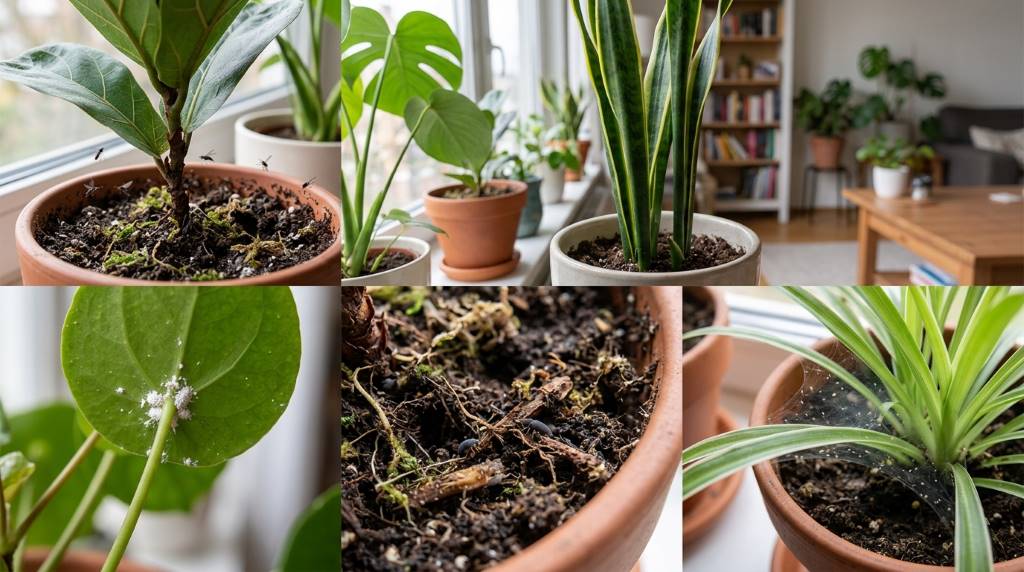
Fungus gnats are one of the most common pests found in indoor plants across Chicago homes. These tiny black flies hover near soil surfaces and windows. Although adult gnats rarely damage plants, their larvae feed on roots in moist soil. Over time, this feeding weakens young or sensitive plants.
Homeowners often mistake fungus gnats for fruit flies because they look similar at first glance. However, fungus gnats stay close to plant containers and damp areas. Reducing watering frequency usually lowers their population quickly. Sticky traps also help monitor infestation levels indoors.
Silverfish
Silverfish prefer dark and humid environments with access to moisture and organic debris. Plant pots near bathrooms, basements, or poorly ventilated rooms often attract them. These pests feed on decaying plant matter, paper, and even mold growth around containers. Consequently, neglected plant areas become ideal hiding spots.
Chicago’s humid summer conditions may increase silverfish activity inside older homes. During winter, indoor heating can drive them deeper into moist areas around plants. Regular cleaning and airflow improvements help reduce their presence effectively. Homeowners should also avoid letting dead leaves collect in pots.
Spider Mites
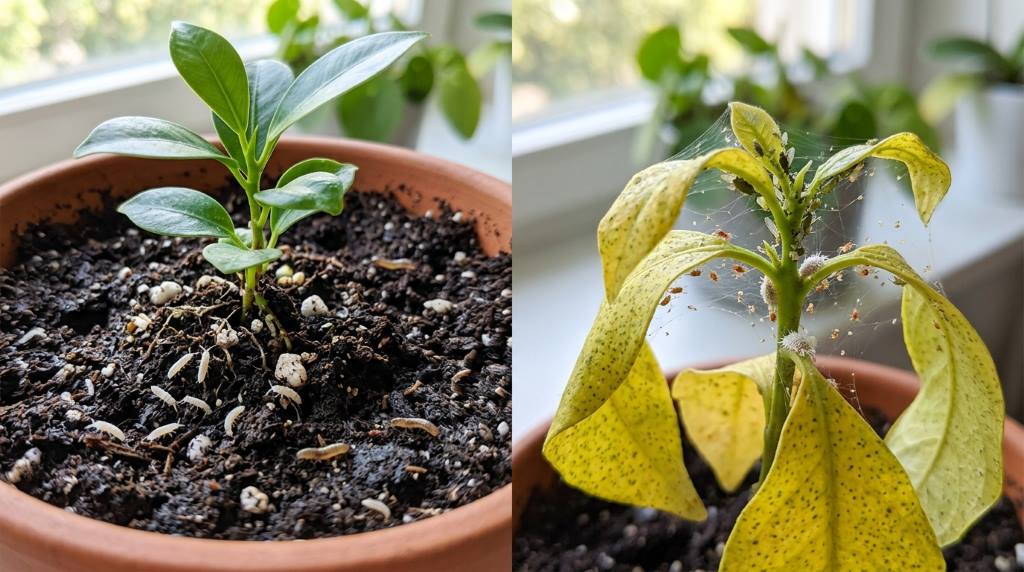
Spider mites are extremely small pests that damage indoor plants by sucking sap from leaves. Dry indoor air during Chicago winters creates perfect conditions for these insects. As a result, infestations often appear when heaters run continuously indoors. Plants may develop yellow spots or fine webbing on stems and leaves.
Unlike fungus gnats, spider mites live mainly on plant surfaces instead of inside the soil. However, poor plant health still contributes to severe outbreaks. Increasing humidity slightly and rinsing leaves can reduce mite activity naturally. Early treatment prevents larger infestations later.
Mealybugs
Mealybugs appear as small white cotton-like clusters around leaves and stems. These insects feed on plant juices and weaken indoor greenery over time. Furthermore, they spread easily between nearby plants if left untreated. Warm indoor temperatures allow them to reproduce year-round.
Chicago apartment residents commonly notice mealybugs on tropical houseplants kept near sunny windows. Isolating infected plants prevents the insects from spreading through the home. Cotton swabs dipped in rubbing alcohol often remove visible bugs effectively. Consistent inspections remain essential for long-term control.
How Chicago Weather Affects Indoor Plant Pests
Chicago experiences humid summers and extremely cold winters, which influence indoor pest behavior significantly. During colder months, people spend more time indoors with windows closed tightly. This environment traps moisture and warmth around plants. Consequently, indoor pests can multiply faster without natural outdoor predators.
Winter heating systems also create dry air that stresses houseplants and weakens their defenses. Stressed plants become easier targets for mites and other sap-feeding insects. Meanwhile, overwatering becomes more common because soil dries slower during winter. Excess moisture encourages fungus gnats and mold growth around roots.
Spring and summer bring higher humidity levels throughout the Chicago area. Increased moisture often leads to faster insect reproduction inside homes and apartments. Additionally, open windows may allow flying pests to enter indoor spaces. Regular monitoring helps homeowners catch problems before infestations spread.
Signs Your Houseplants Have Pest Problems
Many indoor plant pests remain hidden until the infestation becomes serious. Therefore, homeowners should inspect plants regularly for early warning signs. Catching problems quickly often prevents expensive plant replacement later. Consistent observation also improves overall plant health.
Watch for these common signs of pest activity:
- Tiny flying insects near soil surfaces
- Sticky residue on leaves or pots
- Yellowing or curling leaves
- Fine webbing on stems
- White cotton-like patches
- Slow plant growth
- Moldy or foul-smelling soil
- Small insects under leaves
Changes in plant appearance usually indicate deeper problems below the soil surface. Additionally, pests often spread from one container to another quickly indoors. Isolating affected plants immediately reduces further contamination. Fast action protects nearby healthy plants effectively.
Best Ways to Prevent Bugs in Houseplant Pots
Avoid Overwatering
Overwatering remains the leading cause of indoor plant pest infestations. Many homeowners water plants on fixed schedules instead of checking soil moisture first. However, different plants require different watering habits throughout the year. Letting the top layer of soil dry slightly helps discourage insects naturally.
Drainage also plays a major role in pest prevention. Pots without drainage holes trap moisture and create ideal breeding grounds for bugs. Emptying saucers after watering prevents standing water accumulation. Proper watering routines support healthier root systems as well.
Use Quality Potting Soil
Cheap or outdoor soil may contain insect eggs, larvae, or fungal spores. Therefore, Chicago residents should use high-quality indoor potting mixes from trusted suppliers. Sterile soil reduces the risk of introducing pests into the home environment. Fresh soil also improves drainage and airflow around roots.
Avoid reusing contaminated soil from infected plants whenever possible. Even small amounts of leftover larvae can restart infestations later. Sealed soil storage containers also prevent outdoor insects from entering unused mixes. Good soil management lowers pest risks considerably.
Improve Air Circulation
Indoor air circulation helps keep plant surfaces and soil drier between watering sessions. Stagnant air allows humidity to build around containers, especially in apartments during winter. Small fans or open spacing between plants improve airflow naturally. Better circulation also discourages mold and mildew growth.
Chicago homes often stay sealed tightly during cold weather, reducing ventilation indoors. As a result, moisture levels can rise quickly around clustered plants. Rotating plants and avoiding overcrowding supports healthier growing conditions. Healthy plants resist pests more effectively.
Clean Plant Areas Regularly
Dead leaves and spilled soil attract insects and create hiding places for pests. Regular cleaning removes organic debris that bugs use for food and shelter. Wiping down pots and nearby surfaces also prevents mold buildup. Clean environments reduce pest survival rates dramatically.
Homeowners should inspect decorative baskets and trays as well. Moisture trapped beneath pots often attracts hidden insects over time. Vacuuming nearby windowsills and corners helps eliminate wandering pests indoors. Consistent cleaning supports long-term prevention.
Natural Methods to Remove Plant Pot Bugs
Many homeowners prefer natural pest control methods before using chemical treatments indoors. Fortunately, several safe options work well for common houseplant pests. These methods protect pets, children, and sensitive indoor environments. Consistency usually determines treatment success.
Helpful natural pest control methods include:
- Yellow sticky traps for fungus gnats
- Neem oil sprays for mites and mealybugs
- Cinnamon on soil to reduce fungus growth
- Hydrogen peroxide soil rinses
- Rubbing alcohol for visible insects
- Introducing beneficial nematodes
- Removing heavily infested leaves
Natural treatments often require repeated applications over several weeks. However, they usually cause less stress to indoor plants than harsh chemicals. Monitoring results carefully helps determine which methods work best. Combining prevention with treatment improves long-term success.
When Professional Pest Help May Be Necessary
Some infestations become difficult to control with home remedies alone. Large silverfish populations or recurring fungus gnats may indicate deeper moisture problems indoors. Professional pest specialists can identify hidden sources contributing to the infestation. They may also recommend safer long-term prevention strategies.
Chicago’s older buildings sometimes contain structural moisture issues that attract indoor pests continuously. Basements, radiators, and poorly insulated windows may contribute to humidity buildup. Therefore, repeated plant infestations could signal broader household concerns. Addressing these problems protects both plants and living spaces.
Professional services may also help apartment residents dealing with shared building pest issues. Bugs can travel between connected units through pipes and walls. Coordinated treatment often works better in multi-unit buildings. Fast action prevents widespread indoor infestations later.
Choosing Houseplants Less Likely to Attract Bugs
Some houseplants naturally resist pests better than others under indoor conditions. Choosing low-maintenance plants helps reduce watering mistakes and moisture buildup. Snake plants, ZZ plants, and pothos tolerate drier soil conditions very well. Consequently, they attract fewer moisture-loving insects.
Succulents also experience fewer pest problems because they need limited watering. However, homeowners should still inspect them regularly for mites or mealybugs. Plants with thick leaves generally resist damage better than delicate tropical species. Matching plants to indoor lighting conditions also supports healthier growth.
Chicago residents should avoid overcrowding many humidity-loving tropical plants in small spaces. Excessive humidity often increases pest risks indoors. Instead, balancing plant varieties creates healthier indoor conditions overall. Smart plant selection simplifies maintenance significantly.
Safe Pest Control Around Pets and Children
Families with pets or children should use caution when treating indoor plant pests. Some chemical insecticides contain ingredients harmful to cats, dogs, or young children. Therefore, reading labels carefully remains extremely important before applying any treatment indoors. Natural solutions often provide safer alternatives.
Neem oil and insecticidal soap usually offer lower-risk treatment options when used correctly. However, even natural products require proper storage and careful application. Keeping treated plants away from pets during drying time reduces accidental exposure risks. Safety should always come first during indoor pest treatment.
Plant placement also matters in family homes. Keeping plants away from pet feeding areas lowers contamination risks. Elevated shelves and stable stands help prevent accidental contact with treated containers. Responsible pest management protects the entire household environment.
Conclusion
Bugs living in houseplant pots can become a frustrating problem for many Chicago homeowners and apartment residents. However, proper watering, regular inspections, and better airflow greatly reduce the risk of indoor infestations. Understanding how local weather affects indoor plant pests also helps homeowners respond more effectively. Small preventive habits often stop larger pest problems before they spread throughout the home.
If you notice recurring bugs around your houseplants, start addressing the issue immediately before infestations worsen. Consistent plant care and targeted treatments can restore healthier indoor growing conditions quickly. For persistent pest problems, consider contacting a local professional who understands Chicago’s climate challenges and indoor pest patterns.
What bugs are most common in houseplant pots?
Fungus gnats, silverfish, spider mites, and mealybugs commonly appear in indoor plant containers.
Why do bugs keep coming back to my indoor plants?
Overwatering, poor airflow, and contaminated soil usually cause recurring pest problems indoors.
Can houseplant bugs spread through my home?
Yes, many indoor plant pests can move to nearby plants and damp household areas quickly.
How often should I inspect indoor plants for pests?
Checking plants once each week helps catch infestations before they become severe.
Are natural pest treatments effective for indoor plants?
Yes, neem oil, sticky traps, and proper watering habits often control common houseplant pests successfully.
Related Reads
Check: How to Use Hand Tools for Gardening Like a Pro Beginner
Check: The Rise of Garden Tech: How Innovation Is Changing UK Gardening Forever
Read more: Edible Landscapes: Combining Beauty and Bounty in Your Canadian Garden
