






How to Choose a Memory Foam Reading Pillow for Long Reading Sessions
Most people blame eye strain or poor lighting when reading becomes uncomfortable after 30 minutes. In reality, posture collapse is often the hidden reason long reading sessions turn painful. A poorly designed memory foam reading pillow can push the neck forward, compress the shoulders, and strain the lower back without readers noticing it until discomfort becomes chronic. Choosing the right pillow is not just about softness. It directly affects spinal alignment, reading endurance, and even concentration during long study or leisure sessions.
What Is a Memory Foam Reading Pillow and Why Does It Matter?
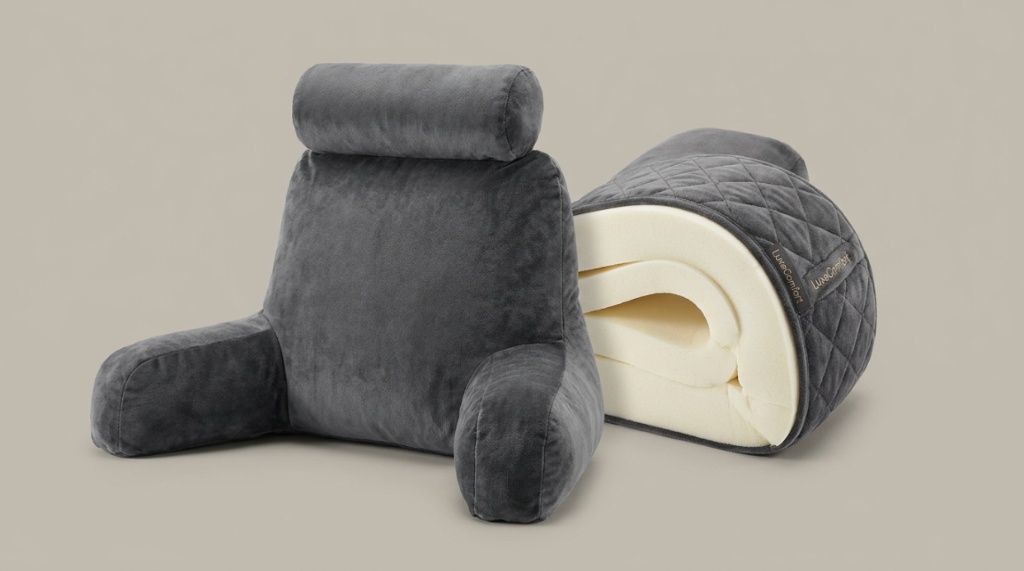
A memory foam reading pillow is a supportive backrest pillow designed to improve posture and comfort during sitting activities like reading, studying, gaming, or watching TV.
Unlike standard bed pillows, reading pillows are structured to support the lumbar spine, shoulders, neck, and arms. High-density memory foam adapts to body shape while maintaining structural support over long periods. This helps reduce pressure points and muscle fatigue.
Many readers spend over 2–4 hours sitting daily without ergonomic support. According to multiple physical therapy studies, prolonged unsupported sitting increases pressure on spinal discs and contributes to neck stiffness and lower back pain.
A quality memory foam reading pillow helps:
- Maintain upright posture
- Reduce shoulder tension
- Support neck alignment
- Minimize lower back fatigue
- Improve comfort during extended reading sessions
Why Do Long Reading Sessions Cause Neck and Back Pain?
Long reading sessions often cause pain because unsupported sitting places continuous strain on muscles and spinal joints.
Most people gradually slide forward while reading. This creates “forward head posture,” where the neck carries excessive weight. Even a slight neck tilt dramatically increases spinal pressure.
Common causes include:
- Poor lumbar support
- Low-quality cushioning
- Incorrect pillow height
- Lack of arm support
- Overly soft pillows that collapse
Reading in bed worsens the problem because mattresses sink unevenly. Without proper support, the spine curves unnaturally for extended periods.
A memory foam reading pillow distributes body weight more evenly and helps maintain neutral posture.
How Does Memory Foam Improve Reading Comfort?
Memory foam improves comfort by contouring to body shape while maintaining consistent support during long sitting sessions.
Traditional polyester-filled pillows flatten quickly. Memory foam reacts differently because it responds to heat and pressure. It molds around the body without losing structure immediately.
Benefits of memory foam include:
- Pressure relief around shoulders and back
- Stable neck positioning
- Reduced muscle fatigue
- Better weight distribution
- Longer-lasting shape retention
High-density memory foam performs better for long reading sessions because it resists compression. Lower-density foam may feel soft initially but loses support faster.
What Features Should You Look for in a Memory Foam Reading Pillow?
The best memory foam reading pillow should provide ergonomic support, durable foam density, washable covers, and proper body alignment.
Is Foam Density Important?
Yes. Foam density determines how supportive and durable the pillow will be.
| Foam Density | Support Level | Best For |
|---|---|---|
| Low Density | Soft | Short reading sessions |
| Medium Density | Balanced | Daily casual readers |
| High Density | Firm ergonomic support | Long reading or study sessions |
Readers spending multiple hours daily should usually choose medium-to-high-density foam.
Why Are Armrests Important?
Armrests reduce shoulder strain and support elbows during reading.
Without arm support, shoulders remain elevated for long periods. This contributes to tension in the trapezius muscles.
Integrated armrests help stabilize posture while holding books, tablets, or e-readers.
Should You Choose Shredded or Solid Memory Foam?
Shredded memory foam offers flexibility, while solid foam provides firmer structure.
| Type | Advantages | Disadvantages |
|---|---|---|
| Shredded Foam | Adjustable and breathable | May shift over time |
| Solid Foam | Consistent support | Less customizable |
Readers who frequently change positions often prefer shredded foam. People with back pain may benefit more from solid structured support.
Does Cover Material Matter?
Yes. Breathable covers improve airflow and temperature control.
Common cover materials include:
- Velour
- Cotton blends
- Microfiber
- Bamboo-derived fabric
Bamboo and cotton covers typically offer better breathability for long sessions.
What Size Memory Foam Reading Pillow Should You Choose?
The ideal size depends on body height, reading habits, and seating position.
A pillow that is too small may fail to support the shoulders and neck. Oversized pillows can force awkward positioning.
General recommendations:
- Small: Teens or compact seating areas
- Medium: Average adult readers
- Large: Tall users or extended reading sessions
- Extra-large: Full upper-body support
Readers over 6 feet tall usually need higher back support to maintain proper neck alignment.
Are Reading Pillows Better Than Standard Bed Pillows?
Yes. Reading pillows are specifically designed for upright support, while standard pillows are designed mainly for sleeping comfort.
Bed pillows compress unevenly when used vertically. This creates unstable support and poor posture.
Reading pillows typically include:
- Structured back support
- Armrests
- Upright positioning
- Stable side support
- Better weight distribution
For readers spending hours in bed or on couches, dedicated reading pillows provide significantly better ergonomic support.
Can a Memory Foam Reading Pillow Help with Back Pain?
Yes. A properly designed memory foam reading pillow can reduce back pain caused by poor sitting posture.
Supportive foam helps maintain spinal alignment and reduces pressure on lumbar muscles. However, the pillow must match body size and sitting habits.
People with chronic back pain should prioritize:
- Firm lumbar support
- Tall backrest height
- Dense memory foam
- Wide arm support
- Neck alignment compatibility
Physical therapists often recommend reducing unsupported sitting time because posture fatigue accumulates gradually.
What Is the Best Reading Position for Long Sessions?
The best reading position keeps the spine neutral, shoulders relaxed, and knees slightly elevated.
Ideal posture includes:
- Head aligned with shoulders
- Lower back supported
- Arms relaxed
- Book positioned near eye level
- Feet supported
Using a memory foam reading pillow with a lap desk or book stand can further reduce neck bending.
Should You Read in Bed?
Reading in bed is comfortable for short periods, but poor support can strain the spine over time.
A quality reading pillow minimizes posture collapse and improves comfort during bedtime reading.
How Long Should a Quality Memory Foam Reading Pillow Last?
A high-quality memory foam reading pillow typically lasts 3–5 years with proper maintenance.
Durability depends on:
- Foam density
- Usage frequency
- Cover quality
- Moisture exposure
- Compression resistance
Signs a pillow needs replacement include:
- Flattened support
- Permanent dents
- Neck discomfort
- Loss of shape
- Uneven support
What Mistakes Should You Avoid When Buying a Reading Pillow?
Many buyers choose pillows based only on softness, ignoring support quality and ergonomics.
Buying Based Only on Appearance
Stylish designs do not guarantee proper support. Always prioritize structure and foam quality.
Ignoring Pillow Height
Incorrect height can force the neck into awkward angles during reading.
Choosing Cheap Low-Density Foam
Budget foam often collapses quickly and loses ergonomic support within months.
Overlooking Washable Covers
Reading pillows accumulate sweat, dust, and oils over time. Removable washable covers improve hygiene and longevity.
Are Extra Features Worth Paying For?
Some premium features significantly improve comfort and usability during extended reading sessions.
What Extra Features Are Useful?
- Adjustable neck rolls
- Side pockets for books or devices
- Carry handles
- Cooling gel foam
- Machine-washable covers
- Adjustable fill levels
Cooling technology can help readers who experience heat buildup during long sessions.
Which Readers Benefit Most from Memory Foam Reading Pillows?
Memory foam reading pillows benefit students, remote workers, book lovers, gamers, and people recovering from injuries.
They are especially useful for:
- College students studying for long hours
- Kindle and tablet readers
- People with posture-related discomfort
- Bedtime readers
- Individuals recovering from surgery
- Seniors needing upright support
How Do You Maintain a Memory Foam Reading Pillow?
Proper maintenance extends durability and keeps the pillow hygienic.
Best practices include:
- Wash removable covers regularly
- Air out foam monthly
- Avoid excessive moisture exposure
- Rotate usage positions occasionally
- Keep away from direct heat
Memory foam should never be soaked unless manufacturer instructions specifically allow it.

Should You Buy Online or In-Store?
Online shopping offers more variety, while in-store purchases allow immediate comfort testing.
When buying online:
- Check verified reviews
- Review foam specifications
- Confirm dimensions carefully
- Look for return policies
- Check cover material details
Products with hundreds of verified long-term reviews generally provide more reliable performance indicators.
What Makes a Reading Pillow Truly Ergonomic?
A truly ergonomic reading pillow supports the spine’s natural curve while reducing muscular strain during prolonged sitting.
Key ergonomic indicators include:
- Proper lumbar support
- Consistent foam responsiveness
- Neck-friendly backrest height
- Stable side arm positioning
- Balanced pressure distribution
Ergonomic support improves not only comfort but also reading focus and endurance.
Conclusion
Choosing the right memory foam reading pillow is about far more than comfort. It directly affects posture, spinal alignment, muscle fatigue, and long-term reading endurance. A poorly designed pillow may feel soft initially but create serious discomfort during extended use.
The best option combines supportive memory foam, ergonomic structure, breathable materials, proper sizing, and durable construction. Readers who spend hours studying, working, or enjoying books benefit most from medium-to-high-density foam with reliable lumbar and shoulder support.
Instead of focusing only on aesthetics or price, evaluate how the pillow supports your body during real reading conditions. The right choice can transform long reading sessions from physically exhausting to genuinely comfortable.
If you read daily, invest in a reading pillow designed for posture health rather than temporary softness. Your neck, shoulders, and lower back will notice the difference over time.
FAQ: Memory Foam Reading Pillow
What is the best memory foam reading pillow for long reading sessions?
The best memory foam reading pillow provides ergonomic back support, medium-to-high-density foam, breathable fabric, and armrests for posture stability during extended reading.
Can memory foam reading pillows help posture?
Yes. Memory foam reading pillows help maintain spinal alignment and reduce slouching during long sitting periods.
Are shredded memory foam reading pillows good?
Shredded memory foam pillows are good for adjustable comfort and airflow, though they may provide less structured support than solid foam designs.
How do I clean a memory foam reading pillow?
Most reading pillows feature removable machine-washable covers. The foam itself should usually be spot-cleaned and air-dried only.
What size reading pillow should adults choose?
Most adults benefit from medium or large reading pillows that support the upper back, shoulders, and neck properly.
Do reading pillows work for gaming and studying?
Yes. Reading pillows are commonly used for gaming, studying, laptop work, and watching television because they improve sitting comfort.
How firm should a memory foam reading pillow be?
A reading pillow should feel supportive rather than overly soft. Medium-to-firm foam usually works best for long reading sessions.
