





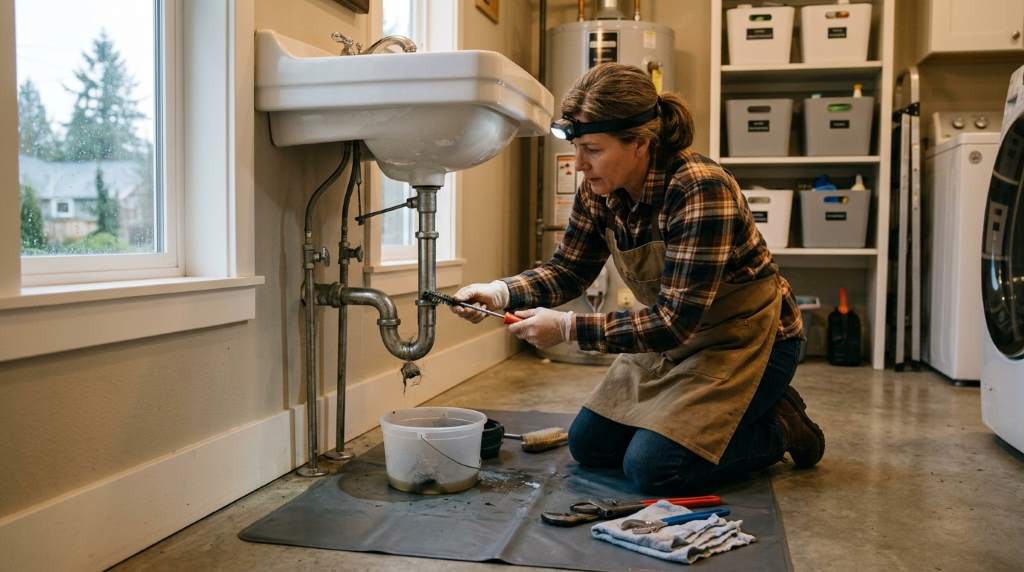
How Seattle Residents Prevent Common Household Plumbing Disruptions
Seattle homeowners deal with unique plumbing challenges due to constant rain, shifting temperatures, and aging infrastructure in many neighborhoods. In fact, studies show that nearly 10% of U.S. homes experience plumbing leaks each year, while moisture-heavy regions like the Pacific Northwest face even higher risks. Because of this, understanding preventative care is not optional but essential. Many residents now focus on early detection and practical maintenance strategies to avoid costly repairs. Issues like clogged drains, pipe corrosion, and plumbing air lock issues solutions are common but manageable with the right approach. This guide breaks down how Seattle residents keep their plumbing systems running smoothly year-round.
Understanding Seattle’s Unique Plumbing Challenges
Seattle’s climate plays a major role in how plumbing systems behave throughout the year. Frequent rainfall increases groundwater pressure, which can affect pipes and drainage systems. Older homes, especially those built before the 1980s, often contain outdated piping materials prone to corrosion. In addition, tree-lined streets contribute to root intrusion in underground sewer lines. These conditions create a perfect storm for recurring plumbing disruptions if left unchecked. Therefore, homeowners must stay proactive rather than reactive.
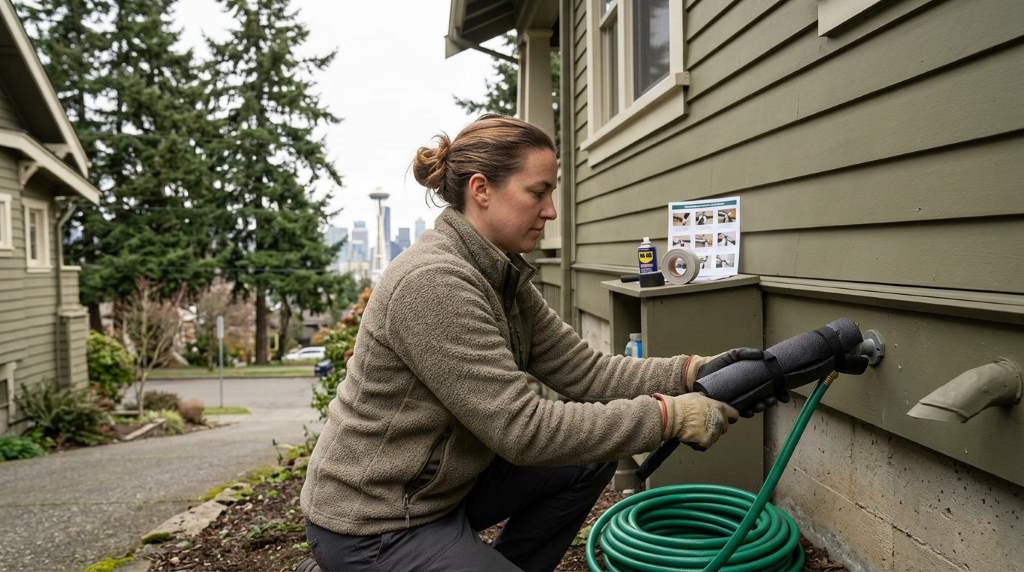
Seasonal temperature changes also create stress on pipes, even if Seattle winters are milder than other regions. Sudden cold snaps can still lead to pipe contraction and expansion, which weakens joints over time. Moreover, moisture accumulation increases the likelihood of mold growth and hidden leaks. Many residents address this by insulating exposed pipes and maintaining consistent indoor temperatures. As a result, they reduce long-term wear and tear. Preventative thinking becomes a habit rather than an afterthought.
Water quality also affects plumbing systems in Seattle homes. The city’s water supply is generally soft, but mineral buildup can still occur over time. This buildup can restrict flow and damage fixtures if not managed properly. Consequently, regular maintenance of faucets and showerheads becomes necessary. Homeowners often install filters to maintain water clarity and protect appliances. These small steps significantly extend the lifespan of plumbing systems.
Routine Maintenance Practices That Make a Difference
Regular Inspection Habits
Seattle residents prioritize routine inspections to catch small issues before they escalate. They often check under sinks, around toilets, and near water heaters for signs of moisture. Even minor drips can indicate larger problems within the system. By addressing these early, homeowners avoid expensive repairs later. Additionally, consistent inspections help maintain water efficiency. This habit saves both money and resources over time.
Many homeowners create monthly maintenance checklists to stay organized. These checklists include tasks like checking water pressure and inspecting visible pipes. By following a structured approach, they reduce the chances of overlooking critical issues. Furthermore, early detection prevents structural damage caused by hidden leaks. This proactive mindset is key to preventing disruptions. Over time, it becomes second nature.
Drain Cleaning and Prevention
Clogged drains remain one of the most common plumbing issues in Seattle homes. However, residents take simple steps to prevent buildup before it becomes severe. They avoid pouring grease, coffee grounds, and food scraps down the sink. Instead, they use strainers to catch debris and dispose of waste properly. These small habits significantly reduce blockage risks. As a result, drainage systems remain efficient.
In addition, many homeowners perform periodic natural drain cleaning using baking soda and vinegar. This method helps break down minor buildup without damaging pipes. Chemical cleaners, while effective, can weaken pipe material over time. Therefore, residents use them sparingly and only when necessary. Regular flushing with hot water also keeps pipes clear. Consistency is the key to long-term success.
Addressing Common Plumbing Problems Early
Leak Detection and Repair
Leaks often start small but can quickly escalate into major problems if ignored. Seattle residents pay close attention to water bills, as sudden increases often signal hidden leaks. They also look for signs like damp walls, peeling paint, or musty odors. Early detection allows for quick repairs before structural damage occurs. Consequently, homeowners save both time and money.
Many people also invest in smart leak detection devices for added security. These devices monitor water usage and send alerts when unusual activity occurs. With real-time monitoring, homeowners can act immediately. This technology adds a layer of protection, especially for busy households. It also reduces the risk of long-term damage. Prevention becomes easier with the right tools.
Handling Pipe Corrosion
Corrosion is another issue that affects many Seattle homes, especially older ones. Pipes made from galvanized steel are particularly vulnerable over time. Residents often replace these with modern materials like PEX or copper. This upgrade improves water quality and reduces leak risks. Although the initial cost may be higher, the long-term benefits are significant. Many consider it a worthwhile investment.
Homeowners also monitor water discoloration as an early sign of corrosion. Rusty or brown water often indicates deteriorating pipes. By addressing this promptly, they prevent further damage to the system. Regular maintenance also helps extend pipe lifespan. In many cases, professional inspections confirm whether replacement is necessary. Acting early avoids emergency situations.
Weather-Related Preventative Measures
Seattle’s rainy climate requires special attention to drainage systems around the home. Gutters and downspouts must remain clear to prevent water buildup near the foundation. Residents clean these regularly, especially during fall when leaves accumulate. Proper drainage reduces pressure on underground pipes. As a result, homeowners minimize the risk of flooding and backups. Maintenance becomes essential during wet seasons.
Cold weather, although less extreme, still poses risks to plumbing systems. Insulating pipes in unheated areas like basements and garages prevents freezing. Even a short cold spell can cause pipes to burst if unprotected. Seattle residents take precautionary measures before winter arrives. They also disconnect outdoor hoses to prevent pressure buildup. These steps protect plumbing systems from seasonal damage.
Storm preparedness is another important aspect of plumbing maintenance. Heavy rains can overwhelm sewer systems and cause backups. Many homeowners install backflow prevention devices to avoid contamination. This addition protects both health and property. Additionally, sump pumps help manage excess water in basements. Being prepared reduces the impact of severe weather events.
Smart Upgrades That Prevent Disruptions
Modern plumbing technology offers solutions that Seattle residents increasingly adopt. Smart water monitors provide insights into usage patterns and detect anomalies. These devices help homeowners identify inefficiencies and leaks early. As a result, they improve overall system performance. Technology simplifies maintenance and enhances peace of mind. It becomes a valuable investment.
Tankless water heaters are another popular upgrade in Seattle homes. These systems provide on-demand hot water without storing large volumes. They reduce energy consumption and minimize the risk of tank leaks. Additionally, they last longer than traditional water heaters. Homeowners appreciate both efficiency and durability. This upgrade aligns with sustainability goals.
Replacing old fixtures with water-efficient models also helps prevent plumbing issues. Low-flow toilets and faucets reduce strain on pipes and conserve water. These fixtures maintain performance while lowering utility bills. Seattle residents often choose eco-friendly options to support environmental efforts. Over time, these upgrades contribute to system longevity. Small changes lead to big improvements.
Related:
How to Use Hand Tools for Gardening Like a Pro Beginner
How to Decorate a Small Apartment Like Pinterest: Cozy 34 sq m Design Ideas
Best Daily Habits for Plumbing Care
Seattle residents follow simple daily habits to keep their plumbing systems in good condition. These practices reduce strain on pipes and prevent unnecessary damage. Consistency in daily routines plays a major role in long-term system health. Even small actions can make a noticeable difference over time. Therefore, homeowners focus on prevention rather than repair. This approach ensures reliability.
Some of the most effective daily habits include:
- Avoid flushing non-degradable items like wipes or paper towels
- Run cold water when using garbage disposals
- Fix dripping faucets immediately
- Use sink strainers in kitchens and bathrooms
- Monitor water pressure regularly
By following these habits, residents reduce the likelihood of clogs and leaks. They also extend the lifespan of their plumbing systems. Over time, these actions become automatic. Preventative care becomes part of everyday life. This consistency keeps systems running efficiently.
Professional Maintenance and When to Call Experts
While DIY maintenance works for minor issues, professional inspections remain essential. Seattle homeowners often schedule annual plumbing checkups to ensure system integrity. Professionals can identify hidden problems that are not visible during routine checks. This proactive approach prevents major disruptions. It also provides peace of mind. Expert advice adds value.
Plumbers use specialized tools to inspect pipes and detect blockages. Camera inspections allow them to see inside sewer lines without excavation. This technology improves accuracy and reduces repair time. Homeowners benefit from precise diagnostics. Consequently, repairs become more efficient and cost-effective. Investing in professional services pays off in the long run.
Knowing when to call a professional is equally important. Persistent clogs, low water pressure, or unusual noises often indicate deeper issues. Ignoring these signs can lead to extensive damage. Seattle residents act quickly when problems arise. Early intervention prevents costly repairs. It also ensures system reliability.
Long-Term Strategies for Plumbing System Longevity
Long-term planning plays a crucial role in preventing plumbing disruptions. Seattle residents often create maintenance schedules that cover inspections, cleaning, and upgrades. This structured approach ensures consistency and reduces oversight. Planning ahead minimizes unexpected issues. It also spreads costs over time. Financial predictability becomes an advantage.
Investing in quality materials also contributes to system longevity. High-quality pipes, fixtures, and appliances last longer and perform better. Although the upfront cost may be higher, the long-term savings are significant. Durable materials reduce maintenance needs and repair frequency. Homeowners prioritize reliability over short-term savings. This mindset supports sustainability.
Education also plays a key role in maintaining plumbing systems. Residents stay informed about best practices and emerging technologies. They learn how to identify early warning signs and take action quickly. Knowledge empowers homeowners to make better decisions. It also reduces dependence on emergency repairs. Staying informed leads to better outcomes.
Conclusion
Preventing plumbing disruptions in Seattle requires a combination of awareness, routine care, and smart upgrades. Homeowners who stay proactive avoid costly repairs and maintain system efficiency. By addressing issues early and adopting simple daily habits, they protect their homes from long-term damage. Investing in modern technology and professional inspections further strengthens their approach. Consistency remains the most important factor in successful plumbing maintenance. Start implementing these strategies today to ensure your home’s plumbing system stays reliable year-round.
FAQs
What causes frequent plumbing issues in Seattle homes?
Seattle’s heavy rainfall, aging pipes, and tree root intrusion often contribute to plumbing problems.
How often should I inspect my plumbing system?
You should perform basic checks monthly and schedule a professional inspection at least once a year.
Are chemical drain cleaners safe to use regularly?
No, frequent use can damage pipes, so natural cleaning methods are a better option.
How can I prevent pipes from freezing in Seattle?
Insulate exposed pipes and maintain a consistent indoor temperature during colder months.
When should I replace old plumbing pipes?
You should consider replacement if you notice corrosion, frequent leaks, or discolored water.
