




Why Phoenix, AZ Trailers Overheat Every Summer
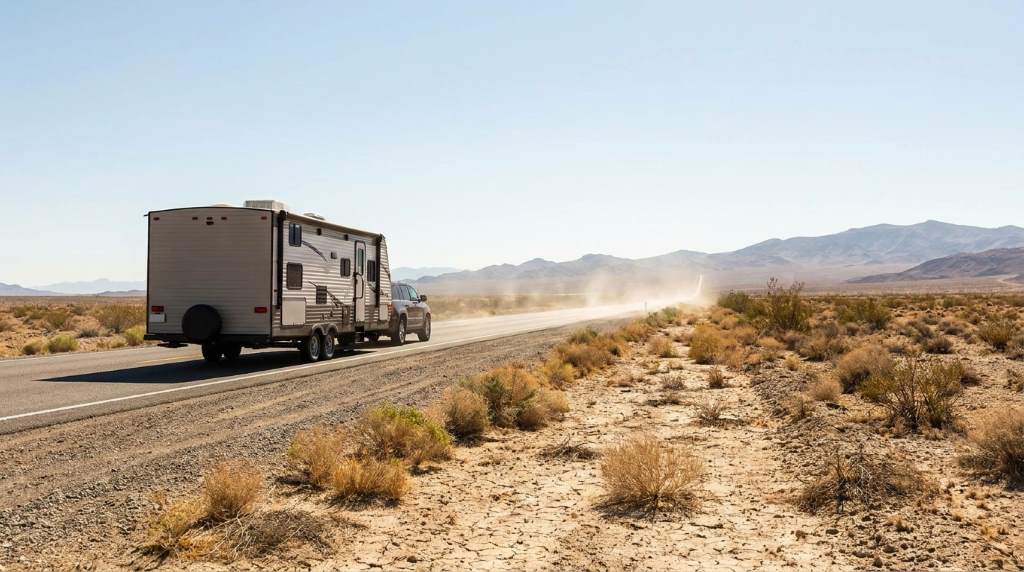
Phoenix, AZ trailers overheat every summer because extreme heat attacks roofs, walls, tires, appliances, and ventilation simultaneously. Phoenix typically records more than 100 days above 100°F annually, while summer highs can exceed 110°F. That intense exposure makes heat management essential for every trailer owner. A reflective cool seal mobile home roof approach can also illustrate how surface heat affects enclosed spaces.
Key Takeaways
- Dark roofs absorb substantial solar energy during Phoenix summers.
- Poor ventilation traps hot air inside trailer cavities and living spaces.
- Tire pressure rises naturally as temperatures increase during travel.
- Overloaded electrical systems create additional heat around sensitive components.
- Shade, airflow, insulation, and reflective surfaces work best together.
- Regular inspections prevent heat-related failures from becoming expensive repairs.
Why Phoenix Heat Overwhelms Trailer Systems
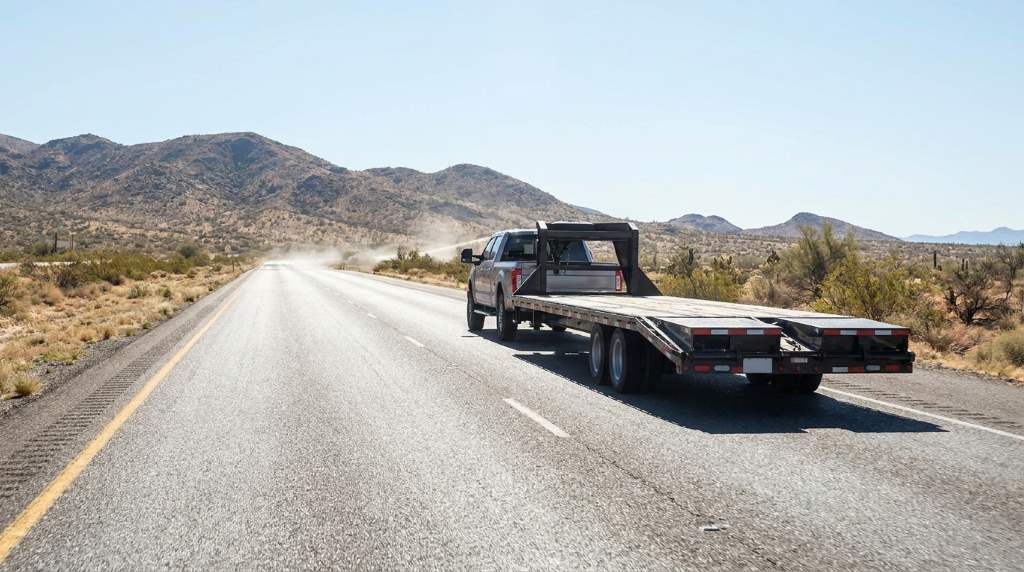
Phoenix heat creates a different operating environment than most trailers encounter elsewhere. Strong sunlight heats exterior surfaces long before interior temperatures become uncomfortable. Consequently, every component receives sustained thermal stress throughout the day.
Metal siding, roofing membranes, windows, and frames absorb solar radiation at different rates. Darker surfaces generally absorb more energy and transfer additional heat into nearby materials. Meanwhile, enclosed trailer spaces retain that energy after sunset.
The problem becomes worse when trailers sit stationary without airflow. Air inside a sealed compartment can become significantly hotter than surrounding outdoor air. Therefore, storage conditions matter almost as much as driving conditions.
Humidity usually remains low, so evaporative cooling provides limited protection for people and equipment. Additionally, intense ultraviolet exposure gradually weakens seals, plastics, adhesives, and roof coatings. These changes can reduce a trailer’s ability to manage heat effectively.
Heat also changes physical properties throughout the trailer. Tires expand, lubricants thin, batteries work harder, and electrical components experience greater thermal loads. As a result, summer problems often appear across several systems simultaneously.
Solar Heat Creates the First Major Problem
The roof receives direct sunlight for hours, making it one of the trailer’s hottest surfaces. That heat then moves downward through roofing materials and insulation.
Windows create another major heat source because glass allows solar radiation into living areas. South-facing and west-facing windows can become especially challenging during afternoon exposure.
However, owners can reduce this load before cooling equipment starts working. Reflective roof treatments, exterior shades, window coverings, and strategic parking can lower heat gain.
Roof Design and Ventilation Often Decide Interior Temperatures
Trailer roofs perform more than a weatherproofing role during extreme summer conditions. They also determine how effectively heat escapes from the uppermost interior space. For practical context, these box gable roof ventilation options demonstrate how airflow can release accumulated roof heat.
Without adequate ventilation, hot air remains trapped beneath the roof structure. That trapped air gradually increases temperatures throughout the trailer’s ceiling and living compartment.
Roof vents help remove rising hot air when outside conditions permit useful airflow. However, blocked vents, damaged covers, or poorly positioned openings can limit performance.
Some trailers also rely on powered ventilation fans. These systems can improve air movement substantially when natural ventilation cannot create enough circulation.
Still, ventilation cannot solve every overheating problem. It works best when owners combine airflow with insulation and solar heat reduction.
How Roof Materials Affect Heat Buildup
Roof color and material influence how much solar energy the trailer absorbs. Reflective surfaces can reduce heat absorption compared with darker, poorly maintained surfaces.
Roof condition matters too because cracks and failed coatings can expose underlying materials. Consequently, a neglected roof may transfer heat while also allowing moisture intrusion during storms.
Modern roofing technologies can also improve energy performance when owners choose suitable materials. This overview of new roofing technology trends offers useful context for evaluating upgrades.
However, owners should match any roofing upgrade to the trailer’s construction. Weight, flexibility, compatibility, and installation requirements can affect long-term performance.
Insulation, Seals, and Windows Can Trap or Reject Heat
Insulation determines how quickly outdoor heat reaches the trailer’s interior. Thin insulation allows heat to move inward much faster during prolonged exposure.
Older trailers often contain insulation that has compressed, shifted, or deteriorated. Therefore, the original insulation rating may not reflect current performance.
Seals around doors and windows create another important thermal boundary. Damaged seals allow hot outdoor air to enter while conditioned air escapes.
Owners should inspect rubber seals for cracks, gaps, hardening, and visible separation. Replacing failed seals often provides an inexpensive improvement before major modifications become necessary.
Windows Deserve Special Attention
Large windows provide excellent visibility but can introduce substantial solar heat. Curtains help, although reflective exterior shades can block heat before it enters the glass.
Window tint can also reduce solar gain when the material suits the trailer’s windows. However, owners should verify compatibility before applying automotive-style tint products.
During extreme afternoons, closing unused windows and shades can reduce the cooling burden considerably. Positioning the trailer under suitable shade provides an even stronger passive advantage.
Air Conditioners Struggle When Heat Gains Outpace Capacity
Trailer air conditioners face unusually demanding conditions in Phoenix. They must remove heat entering through roofs, windows, walls, doors, occupants, appliances, and equipment.
A unit can operate continuously while still failing to create comfortable indoor temperatures. Usually, that situation indicates excessive heat gain, insufficient capacity, restricted airflow, or poor maintenance.
Dirty filters reduce airflow and force cooling equipment to work harder. Likewise, blocked condenser coils can prevent efficient heat rejection.
Owners should clean filters regularly during the hottest months. They should also keep outdoor condenser areas clear of debris and obstructions.
Electrical supply creates another concern for trailer air conditioners. Low voltage can damage compressors and cause poor cooling performance.
How to Improve Cooling Performance
Start by reducing heat entering the trailer before increasing air conditioner runtime. Then inspect the cooling system for airflow restrictions and maintenance problems.
Useful actions include:
- Clean or replace air conditioner filters regularly.
- Keep condenser coils clean and unobstructed.
- Use reflective window coverings during peak sunlight.
- Close unnecessary openings during the hottest afternoon hours.
- Park with the roof and largest windows away from direct afternoon sun.
- Inspect electrical connections for heat damage or discoloration.
- Use temperature monitors in critical interior compartments.
These steps reduce the cooling load instead of forcing equipment to compensate for excessive heat gain.
Tires and Wheel Components Face Serious Heat Stress
Trailer overheating does not only concern the living compartment. Tires and wheel components can become dangerous when Phoenix pavement adds intense heat during travel.
Road surfaces can become substantially hotter than surrounding air under direct summer sunlight. Meanwhile, tire flexing generates additional internal heat while the trailer moves.
Incorrect inflation increases stress and can contribute to tire failure. Underinflated tires generally flex more, creating additional heat during operation.
Overinflation also creates problems when owners adjust pressure incorrectly. Therefore, always follow the trailer manufacturer’s specified cold inflation pressure.
Check tire pressure before driving rather than immediately after a hot trip. Never release air from a hot tire simply because its pressure appears elevated.
Watch Bearings, Brakes, and Hubs
Wheel bearings require proper lubrication and adjustment to prevent excessive friction. Phoenix heat can amplify problems that already exist within poorly maintained wheel assemblies.
Dragging brakes create another source of dangerous heat. After travel, unusual wheel temperatures, odors, or smoke require immediate attention.
Owners can use an infrared thermometer to compare wheel temperatures after stops. Significant differences between wheels may indicate friction, bearing, or brake problems.
Never touch a suspicious wheel assembly with bare hands after extended travel. Allow components to cool before performing any physical inspection.
Electrical Systems Generate Additional Summer Heat
Extreme temperatures place additional stress on batteries, converters, inverters, wiring, and electronic equipment. Heat can also accelerate degradation within some electrical components.
High electrical demand becomes particularly important when multiple appliances operate simultaneously. Air conditioners, refrigerators, microwaves, chargers, and entertainment systems can create substantial loads.
Loose electrical connections can generate localized heat through increased resistance. Over time, that heat can damage insulation, terminals, and surrounding materials.
Owners should inspect accessible electrical connections for discoloration, melting, corrosion, or unusual odors. Qualified technicians should handle questionable wiring or electrical repairs.
Battery Heat Requires Extra Care
Battery compartments can become extremely hot when trailers remain exposed to direct sunlight. Excessive heat can shorten battery life and affect performance.
Provide ventilation where the battery design requires it. Also, keep battery compartments away from unnecessary heat sources whenever the trailer design permits.
Follow the battery manufacturer’s temperature and charging requirements. Never modify charging systems without confirming compatibility with the installed battery technology.
Parking Strategy Can Prevent Hours of Heat Accumulation
Parking decisions strongly influence how much heat a trailer absorbs. A few thoughtful choices can reduce the thermal load before equipment starts running.
Whenever practical, choose shaded parking during the hottest part of the day. However, verify overhead clearance before placing a tall trailer beneath trees or structures.
Orient the trailer to minimize direct afternoon exposure on large windows. Additionally, keep ventilation openings positioned to benefit from prevailing airflow.
Portable shade structures can provide another layer of protection during stationary use. They should remain properly secured against wind and follow local safety requirements.
Storage Preparation Matters Too
Many Phoenix trailers spend weeks or months parked between trips. During that period, extreme heat continues affecting seals, tires, batteries, and interior materials.
Use breathable protective covers when appropriate for the trailer and storage environment. Avoid trapping moisture beneath covers that lack adequate ventilation.
Check tire pressure, roof condition, and battery status before every extended storage period. Then inspect the trailer again before returning it to regular service.
How to Diagnose an Overheating Trailer
Start diagnosis by identifying exactly where temperatures become excessive. Interior heat, roof heat, tire heat, and electrical heat require different solutions.
Measure temperatures instead of relying only on how hot the trailer feels. Affordable digital thermometers can reveal which compartments experience abnormal temperature increases.
Next, inspect the roof, vents, windows, seals, insulation, and cooling equipment. Look for visible damage, airflow restrictions, blocked openings, and deteriorated materials.
Then evaluate operating conditions when the problem occurs. Record outdoor temperature, parking orientation, cooling runtime, electrical load, and travel duration.
This information helps separate normal Phoenix heat exposure from an actual equipment problem. It also gives technicians better information during professional inspections.
Warning Signs That Need Immediate Attention
Some symptoms indicate a potentially dangerous mechanical or electrical condition rather than normal summer heat.
- Burning electrical odors require immediate investigation.
- Smoke from brakes or wheel areas requires immediate stopping.
- Repeated circuit breaker trips indicate a possible electrical problem.
- Rapidly rising tire temperatures require stopping and inspection.
- Air conditioner shutdowns can indicate electrical or mechanical stress.
- Soft roof areas may indicate hidden structural or moisture damage.
When these signs appear, stop using the affected system until a qualified professional evaluates it. Continuing operation can turn a manageable issue into a major failure.
When a Trailer Roof Needs More Than Basic Maintenance
Roof maintenance can solve minor issues, but severe deterioration may require professional evaluation. Cracks, bubbles, sagging areas, and widespread coating failure deserve careful attention.
Flat or low-slope trailer roofs can face particularly demanding thermal conditions. Drainage problems can also worsen structural deterioration after seasonal storms.
For broader context, this guide about flat roof failure problems highlights warning patterns that owners should understand.
Phoenix conditions differ from coastal climates, but the underlying roof principles remain useful. Heat, material movement, drainage, and neglected defects can interact over time.
Do not assume a roof remains safe because it does not visibly leak. Thermal damage can develop before water intrusion becomes obvious.
A Practical Phoenix Trailer Summer Checklist
A seasonal checklist prevents owners from overlooking small problems before extreme heat arrives. Complete the inspection before long trips and extended outdoor storage.
Use this sequence:
- Inspect the entire roof for cracks, gaps, bubbles, and failed sealant.
- Confirm every roof vent opens correctly and remains unobstructed.
- Clean air conditioner filters and inspect condenser airflow.
- Check window and door seals for deterioration.
- Verify tire pressure while tires remain cold.
- Inspect tread condition and tire age before extended travel.
- Check wheel assemblies for unusual heat after test drives.
- Inspect visible wiring for corrosion, damage, or heat discoloration.
- Test temperature monitors inside sensitive compartments.
- Plan shaded parking whenever practical.
This routine takes less time than dealing with a roadside breakdown during extreme heat. More importantly, it identifies heat-related problems before they become safety concerns.
How to Keep Your Trailer Cooler All Summer
The most effective approach combines passive heat reduction with active cooling and preventive maintenance. No single upgrade can overcome every source of Phoenix heat.
Start with the roof because it receives prolonged direct solar exposure. Next, address windows, insulation, seals, ventilation, and air conditioner performance.
During travel, prioritize tire condition and correct inflation over cosmetic improvements. After arrival, inspect wheel temperatures and allow mechanical components to cool when necessary.
For stored trailers, focus on roof protection, ventilation, battery care, and periodic inspections. These measures reduce deterioration while keeping the trailer ready for use.
Most importantly, treat extreme heat as a predictable operating condition rather than an occasional inconvenience. Phoenix summers reward owners who prepare systems before temperatures reach their peak.
Conclusion: Beat Phoenix Heat Before It Beats Your Trailer
Phoenix, AZ trailers overheat because intense solar exposure combines with trapped air, insulation limits, mechanical stress, and heavy cooling demand. The good news is that owners can reduce most heat risks through preparation and regular inspection.
Start with the roof, ventilation, windows, air conditioner, tires, wheels, and electrical system. Then create a summer inspection routine and monitor unusual temperature changes.
Do not wait for an overheated trailer to reveal weak components during a 110°F afternoon. Inspect your trailer before the next heat wave and schedule professional service for questionable systems.
Call to action: Use the checklist today, correct obvious heat problems, and arrange a professional inspection before your next summer trip.
Frequently Asked Questions
Why do trailers get so hot in Phoenix?
Trailers absorb intense solar heat while limited insulation and ventilation allow that heat to accumulate indoors.
Can a reflective trailer roof reduce interior heat?
Yes, reflective roofing can reduce solar heat absorption and lower the cooling demand under strong sunlight.
Why do trailer tires get hotter in Phoenix?
Extreme pavement temperatures, tire flexing, incorrect inflation, and overloaded trailers can increase tire heat significantly.
Should I run my trailer air conditioner continuously?
Continuous operation may help, but excessive heat gain or equipment problems can still prevent adequate cooling.
How often should I inspect a trailer during summer?
Inspect critical systems before every trip and check temperature-related warning signs during extended summer travel.
