





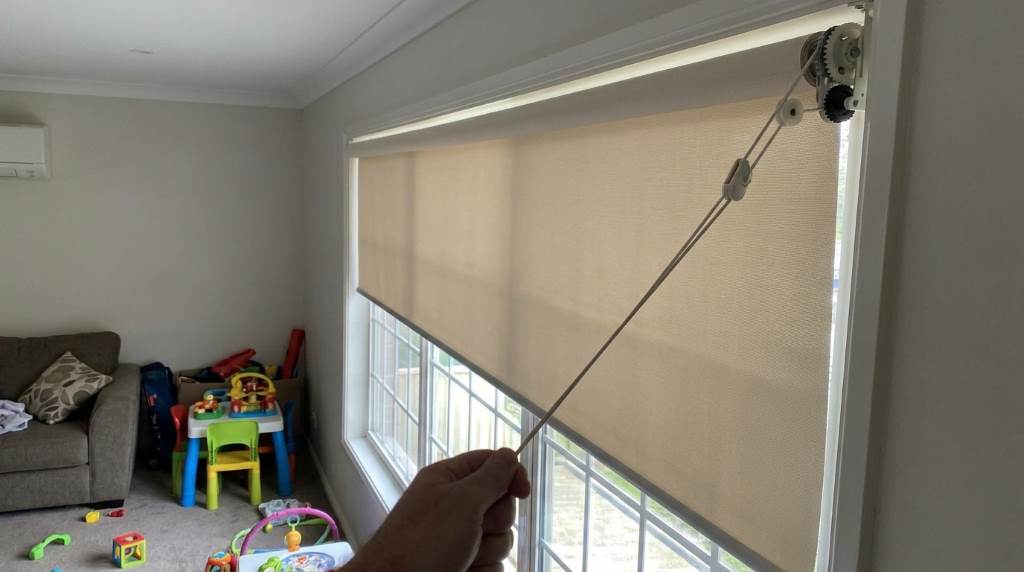
Why Living Room Shades Jam in Phoenix, AZ Homes
Phoenix homeowners often rely on window shades to control heat, glare, and indoor comfort. However, many residents notice their living room shades stop working smoothly over time. According to housing maintenance reports, window covering issues rank among common household complaints in hot climate regions. Additionally, prolonged sun exposure can shorten the lifespan of shade components. If a window blind won’t close properly, climate related wear may be the hidden cause. Understanding why shades jam helps homeowners prevent expensive repairs and improve daily convenience.
Why Shade Problems Are Common in Phoenix Homes
Phoenix experiences intense sunlight throughout most of the year. As a result, living room window coverings face constant thermal stress. Heat affects plastic parts, cords, and internal mechanisms. Consequently, shades often develop operational problems sooner than expected. Many homeowners notice sticking, uneven movement, or complete jamming.
Large living room windows increase the challenge. Most modern homes feature expansive glass areas that invite natural light. However, those windows also expose shades to stronger solar radiation. Therefore, internal components endure daily expansion and contraction. Over time, that cycle weakens important operating parts.
Dust also contributes to shade failures. Desert environments produce fine particles that settle everywhere indoors. Although many people clean visible surfaces regularly, dust often accumulates inside shade tracks and mechanisms. Eventually, that buildup creates friction and restricts movement. As a result, shades become harder to raise or lower.
Extreme Heat Causes Material Expansion
Heat remains one of the biggest reasons shades jam in Phoenix homes. Window facing surfaces absorb substantial solar energy every day. Consequently, materials expand during hot afternoons. When temperatures cool at night, those materials contract again. Repeated cycles gradually affect alignment and performance.
Plastic components experience the greatest impact. Many affordable shade systems contain plastic gears and connectors. Under prolonged heat exposure, these pieces can warp slightly. Although the changes appear small, they affect mechanical movement. Therefore, shades begin operating less smoothly.
Metal parts also react to temperature fluctuations. Expansion may create additional pressure inside operating systems. As a result, moving sections can rub against neighboring components. Eventually, friction increases and movement becomes restricted. This process often develops slowly before homeowners notice symptoms.
How Sun Facing Windows Increase Risk
South and west facing windows receive intense afternoon sunlight. Therefore, shades installed on these windows face greater thermal stress. Many Phoenix living rooms include large west facing glass walls. Consequently, operating mechanisms endure longer periods of heat exposure. Over time, this increases the likelihood of jamming.
Homeowners can reduce strain by using reflective materials. In fact, many products featured among sustainable home decor brands focus on heat management and durability. Better materials often resist expansion more effectively. As a result, shade systems maintain smoother operation for longer periods.
Dust Intrusion Creates Hidden Friction
Desert dust enters homes even when windows stay closed. Air conditioning systems, foot traffic, and outdoor air movement contribute continuously. Consequently, tiny particles settle inside shade hardware. Most homeowners never see the buildup until problems appear. By then, movement may already feel restricted.
Fine dust acts like an abrasive substance. As components move, particles create additional resistance. Therefore, gears, rollers, and tracks wear faster. Over time, accumulated debris interferes with normal operation. Eventually, shades begin sticking or jamming completely.
Living rooms often experience higher activity levels than other spaces. Family gatherings, pets, and daily traffic increase airborne dust movement. As a result, window coverings in these rooms collect contaminants faster. Routine cleaning becomes especially important in Phoenix environments. Consistent maintenance significantly reduces operating problems.
Signs Dust Is Affecting Your Shades
- Shades move unevenly during operation.
- Grinding sounds occur during adjustment.
- Movement feels rough or inconsistent.
- Lower sections stop before reaching full extension.
- Tracks show visible dust accumulation.
Cord and Chain Wear Leads to Jamming
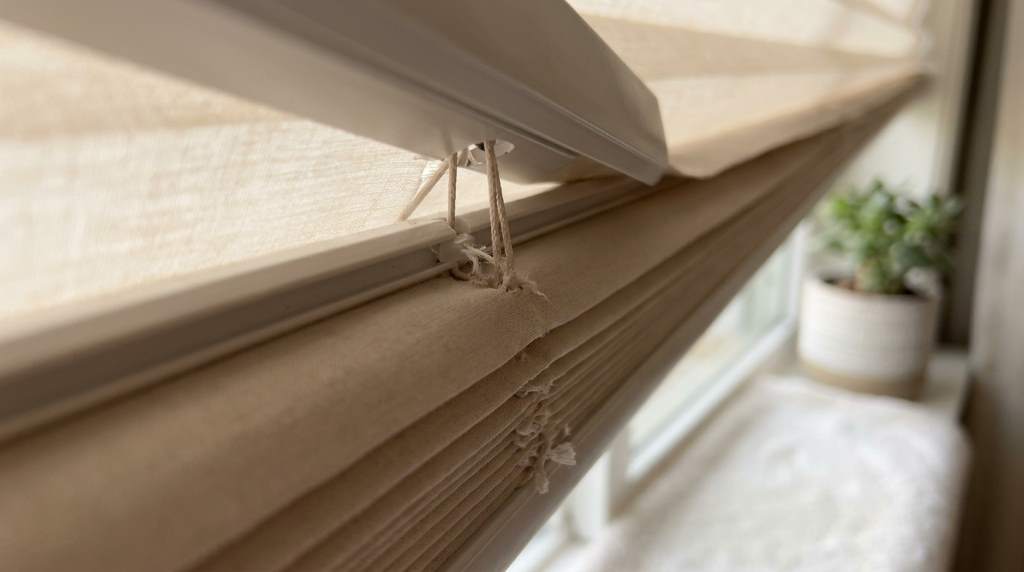
Many shade systems depend on cords or chains for operation. These components experience constant movement throughout the day. Additionally, Phoenix heat accelerates material aging. As a result, cords may stretch, fray, or lose tension. Eventually, operation becomes unreliable.
Uneven cord tension frequently causes misalignment. One side may move faster than the other. Consequently, shades tilt or bunch during use. Continued operation worsens the imbalance over time. Eventually, the system can jam completely.
Some homeowners overlook early warning signs. However, addressing minor wear prevents larger repairs later. Regular inspections help identify damage before failure occurs. Therefore, preventive maintenance often extends shade lifespan significantly. Small adjustments can save considerable replacement costs.
Humidity Changes Can Affect Indoor Components
Many people associate Phoenix only with dry conditions. However, indoor humidity still changes throughout the year. Air conditioning systems influence moisture levels inside homes. Consequently, certain shade materials expand or contract slightly. These shifts sometimes affect smooth operation.
Fabric shades show greater sensitivity to environmental conditions. Changes in tension may alter how material wraps around rollers. Therefore, alignment problems can develop gradually. Over time, the shade may track unevenly. This issue often appears as intermittent sticking.
Wood based components also react to environmental fluctuations. Although changes remain subtle, they accumulate over time. As a result, moving parts may no longer align correctly. Eventually, homeowners notice resistance during operation. Early intervention prevents further deterioration.
Poor Installation Creates Long Term Issues
Improper installation contributes to many shade problems. Even small measurement errors affect performance. Consequently, shades may operate under constant strain. Although the issue seems minor initially, wear develops faster. Over time, components become more vulnerable to jamming.
Mounting brackets require precise positioning. If brackets sit unevenly, the shade mechanism experiences additional stress. Therefore, moving parts wear unevenly. This condition increases friction throughout the system. Eventually, operation becomes inconsistent.
Many homeowners focus only on appearance during installation. However, functional alignment matters equally. Accurate measurements support smoother movement and longer lifespan. Consequently, professional installation often reduces future maintenance needs. Proper setup creates lasting performance benefits.
Common Installation Mistakes
- Uneven bracket placement.
- Incorrect width measurements.
- Loose mounting hardware.
- Insufficient side clearance.
- Improper tension adjustments.
Paint and Renovation Debris Cause Problems
Home improvement projects often affect nearby window coverings. Paint droplets, drywall dust, and construction debris enter operating mechanisms. Consequently, moving components encounter unexpected resistance. Many homeowners overlook this connection entirely. Yet renovation debris frequently contributes to jamming issues.
Even small paint deposits can restrict movement. Once paint hardens, rollers and tracks operate less freely. Therefore, shades may stick during use. Proper protection during projects reduces these risks considerably. Prevention remains easier than repair.
Before painting near windows, remove or cover shade systems carefully. Many homeowners use affordable painting tools to improve project efficiency while minimizing accidental damage. Careful preparation protects window coverings and reduces maintenance costs. As a result, shades continue operating smoothly after renovations.
The Unique Phoenix Problem Most Blogs Ignore
One overlooked issue involves uneven solar heating across large living room windows. Phoenix homes often feature decorative architectural elements that create partial shade patterns. Consequently, one section of a shade receives more heat than another. This uneven exposure causes irregular expansion across components.
Over months or years, asymmetrical heating affects alignment. One side may stretch slightly more than the opposite side. Therefore, the shade begins rolling unevenly. Most homeowners assume the mechanism simply failed. However, solar imbalance often contributes significantly.
This issue appears most frequently in homes with decorative overhangs, columns, or landscape shading. Because sunlight distribution changes throughout the day, thermal stress becomes inconsistent. Consequently, gradual distortion develops without obvious warning signs. This hidden factor explains many difficult troubleshooting cases.
How Interior Design Choices Affect Shade Performance
Furniture placement influences temperature around windows. Large reflective surfaces can redirect sunlight toward shade materials. Consequently, some sections experience higher heat exposure. Over time, concentrated warmth affects performance. Therefore, room design can indirectly influence shade lifespan.
Decorative layouts also affect airflow. Restricted air circulation allows heat to accumulate near windows. As a result, operating components remain hotter for longer periods. Consistent exposure accelerates material fatigue. Eventually, mechanical problems become more likely.
Many designers recommend balanced room arrangements. Homeowners exploring chic apartment styling tips often discover practical strategies that improve both aesthetics and functionality. Better airflow around windows supports shade longevity. Consequently, design decisions can help reduce maintenance issues.
Practical Ways to Prevent Shade Jamming
Preventive care significantly reduces operational problems. Regular maintenance requires little time yet delivers substantial benefits. Additionally, early attention prevents expensive replacements. Homeowners can implement simple habits immediately. Consistency produces the best results.
- Dust shade tracks every two weeks.
- Inspect cords and chains monthly.
- Avoid forcing stuck mechanisms.
- Clean nearby window areas regularly.
- Check mounting hardware twice yearly.
- Address minor issues before escalation.
Using shades gently also extends lifespan. Sudden pulling creates unnecessary stress on components. Instead, operate systems smoothly and consistently. This habit reduces wear significantly. Therefore, mechanisms remain functional longer.
Professional inspections help identify hidden concerns. Experts can detect alignment problems before serious damage occurs. Consequently, homeowners avoid larger repair expenses later. Scheduled evaluations often improve long term performance. Preventive service remains a worthwhile investment.
When Replacement Makes More Sense Than Repair
Some shade systems eventually reach the end of their useful life. Repeated repairs may become less practical. Consequently, replacement offers better value in certain situations. Modern products often include stronger materials and improved designs. Therefore, they resist Phoenix conditions more effectively.
Homeowners should evaluate repair frequency carefully. If problems return repeatedly, deeper structural wear may exist. In that case, replacement often provides a lasting solution. Newer systems frequently improve energy efficiency as well. This added benefit enhances indoor comfort.
Choosing high quality materials matters greatly. Durable fabrics, reinforced mechanisms, and heat resistant components perform better. As a result, homeowners experience fewer disruptions. Long term reliability often justifies the initial investment. Better products typically deliver stronger overall value.
Conclusion
Living room shades jam in Phoenix homes for several reasons. Heat, dust, installation issues, and material wear all contribute. Furthermore, uneven solar exposure creates a hidden challenge many homeowners never consider. Regular maintenance and early intervention prevent most problems. If your shades show signs of sticking, inspect them promptly and address minor concerns before they become costly repairs.
FAQs
Why do my living room shades stick during summer?
Extreme heat can expand components and increase friction inside the shade mechanism.
Can Phoenix dust really cause shade problems?
Yes, fine desert dust accumulates inside tracks and moving parts, creating resistance.
How often should I clean shade tracks?
Cleaning every two weeks helps prevent dust buildup and operational issues.
Should I repair or replace old shades?
Replacement often makes more sense when recurring repairs become frequent.
Do large windows increase the risk of jamming?
Yes, larger windows expose shades to greater heat and sunlight stress.
