





Green Home Improvements That Are Good for Your Wallet
Green Home Improvements refer to smart, eco-conscious upgrades that reduce environmental impact while lowering household expenses over time. In simple terms, these improvements help your home use less energy, waste less water, and rely on more sustainable materials without sacrificing comfort.
With rising energy costs, increasing water bills, and growing concerns about climate change, homeowners are actively looking for ways to make their homes more efficient. That’s where green home improvements come in. They are no longer just a trend for eco-enthusiasts. They are a practical, cost-saving strategy for everyday homeowners.
Many people assume green building ideas require massive upfront investments. In reality, some of the most effective upgrades are affordable and deliver quick returns. Switching to LED lighting, improving insulation, installing smart thermostats, or using water-saving fixtures can significantly reduce monthly bills.
This guide explores how environmentally friendly homes can protect your budget while improving comfort and long-term property value. Whether you’re a first-time homeowner or planning renovations, you’ll find practical insights that deliver real value.
How Do Green Home Improvements Help You Save Money Over Time?
Short answer: They reduce energy use, lower maintenance costs, and often qualify for incentives.
Green home improvements focus on efficiency. When your home needs less electricity, gas, and water to operate, your utility bills naturally decrease. This isn’t a marketing promise—it’s basic math.
Energy-efficient appliances consume less power while delivering the same performance. Proper insulation keeps heat inside during winter and blocks excess heat in summer. As a result, heating and cooling systems don’t need to work as hard.
Another major advantage is durability. Many eco-friendly materials last longer than traditional options, which means fewer repairs and replacements. Over the years, these savings add up.
In many regions, governments and utility providers offer tax credits, rebates, or incentives for green home improvements. These programs can significantly offset initial costs.
- Lower monthly utility bills
- Reduced repair and replacement costs
- Improved energy efficiency
- Higher long-term property value
Which Green Building Ideas Deliver the Best Return on Investment?
Snippet answer: Insulation, LED lighting, smart thermostats, and solar energy offer the highest ROI.
Not all green building ideas provide the same financial return. Some upgrades pay for themselves much faster than others.
High-Performance Insulation
Insulation is one of the most effective green home improvements you can make. It prevents energy loss through walls, roofs, and floors. While the upfront cost is moderate, the long-term savings on heating and cooling are substantial.
LED Lighting Conversion
Replacing traditional bulbs with LEDs is one of the simplest and most affordable upgrades. LED bulbs use up to 80% less energy and last significantly longer, delivering immediate savings.
Smart Thermostats
Smart thermostats learn your daily routines and adjust temperatures automatically. They prevent unnecessary heating and cooling, helping homeowners save without changing habits.
Solar Panels
Solar energy requires a higher initial investment, but the long-term benefits are impressive. Over time, solar panels can drastically reduce or even eliminate electricity bills.
| Green Improvement | Upfront Cost | Long-Term Savings |
|---|---|---|
| LED Lighting | Low | High |
| Insulation | Medium | Very High |
| Solar Panels | High | Very High |
How Do Environmentally Friendly Homes Reduce Energy Consumption?
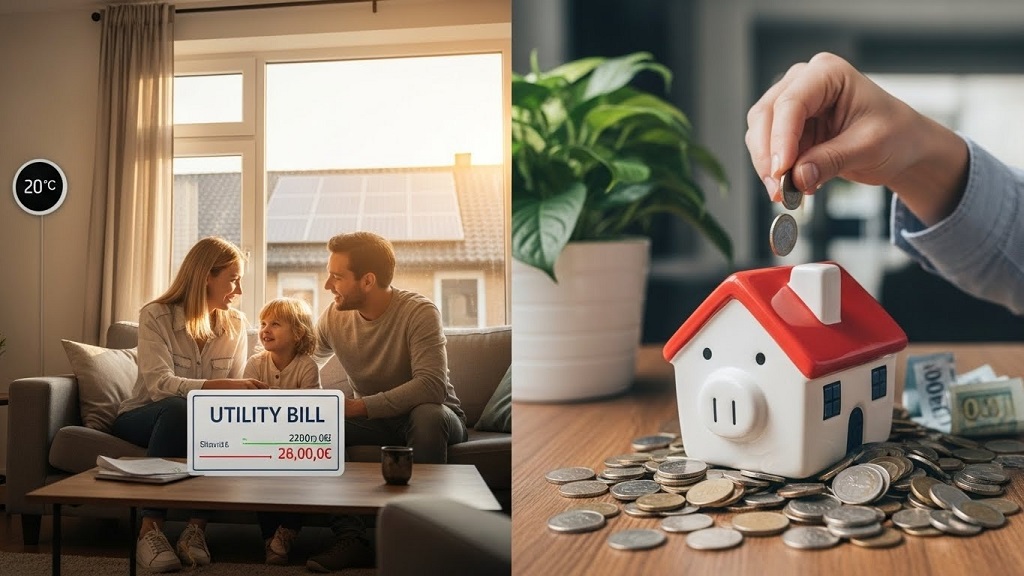
Short answer: They achieve the same comfort using less power.
Environmentally friendly homes are designed with efficiency in mind. Every system—from lighting to ventilation—works together to reduce waste.
Energy-efficient windows minimize heat transfer. Optimized layouts maximize natural daylight, reducing the need for artificial lighting. Advanced ventilation systems improve airflow without excessive energy use.
When multiple green home improvements are combined, their impact multiplies. The result is a home that costs far less to operate.
- Energy-efficient windows and doors
- Optimized natural lighting
- High-efficiency HVAC systems
- Renewable energy integration
Are Water-Saving Green Home Improvements Worth the Investment?
Snippet answer: Yes, water-efficient upgrades lower bills and conserve resources.
Water efficiency is often overlooked, yet water bills can be a major household expense.
Low-flow showerheads, faucets, and dual-flush toilets significantly reduce water usage without affecting performance. Rainwater harvesting systems can be used for irrigation and outdoor cleaning.
These green building ideas not only save money but also prepare homes for future water scarcity.
How Do Eco-Friendly Materials Increase Home Value?
Short answer: Buyers prefer sustainable, low-cost-to-maintain homes.
Demand for environmentally friendly homes continues to grow in the real estate market. Buyers understand that energy-efficient properties come with lower operating costs.
Materials like bamboo flooring, recycled steel, and low-VOC paints are durable, visually appealing, and healthier for indoor air quality.
Well-executed green home improvements often lead to higher resale values and faster sales.
Conclusion: Are Green Home Improvements a Smart Financial Choice?
Yes—green home improvements are one of the smartest investments a homeowner can make. They reduce utility bills, lower maintenance costs, and improve overall comfort.
You don’t need to start big. Simple changes like LED lighting, insulation upgrades, and smart thermostats can deliver noticeable savings quickly. Larger projects can be added gradually.
As sustainability becomes a priority for buyers, environmentally friendly homes will continue to gain value.
Call to Action: Start your green home improvement journey today. Choose one upgrade, take action, and begin saving money while building a more sustainable future.
Frequently Asked Questions About Green Home Improvements
What are the most affordable green home improvements?
LED lighting, weather sealing, and water-saving fixtures are among the most cost-effective options with immediate benefits.
Do green building ideas really improve resale value?
Yes. Homes with energy-efficient features often sell faster and at higher prices.
How long does it take to see savings?
Smaller upgrades show savings right away. Larger investments like solar panels typically pay off within 5–7 years.
Are environmentally friendly homes harder to maintain?
No. Many eco-friendly materials are more durable and require less maintenance over time.
Can renters use green home improvements?
Yes. Renters can use portable upgrades like LED bulbs, smart plugs, and water-efficient fixtures.
Are there tax benefits for green home improvements?
In many regions, homeowners may qualify for tax credits or rebates for energy-efficient upgrades.
Related Topics: How to Fix a Clogged VAV Heating Coil in an HVAC System
Related Topics: How to Get Rid of Domicile Cup Fungus in Bathroom
