



How to Choose an Upright Vacuum for Hardwood Floors Safely
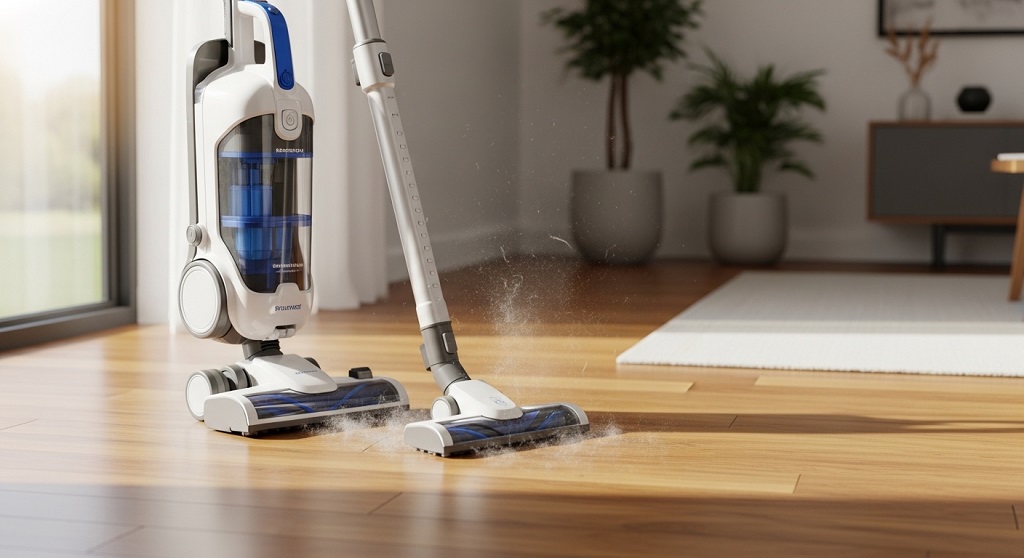
The safest upright vacuum for hardwood floors has adjustable suction, a soft brush roll (or brush-roll shutoff), rubber wheels, and a sealed filtration system. These features prevent scratches, reduce dust spread, and improve cleaning performance on delicate surfaces.
Hardwood floors are durable but not scratch-proof. Many homeowners damage them by using the wrong vacuum type or brush roll settings. An upright vacuum can clean hardwood efficiently, but only if designed with floor protection features.
According to the National Wood Flooring Association (NWFA), improper cleaning tools are one of the leading causes of micro-surface wear on finished hardwood floors. Choosing the right 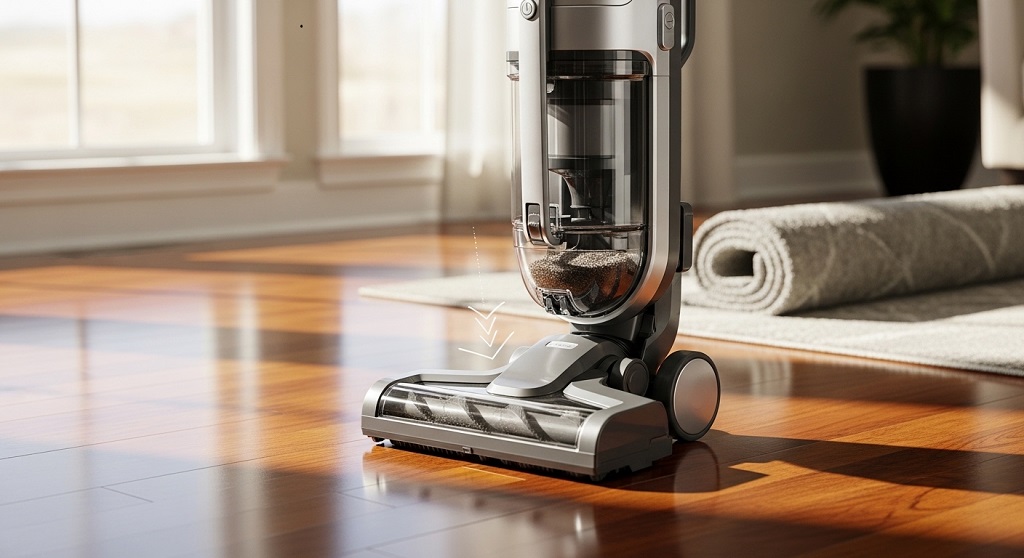 solution reduces long-term repair costs and maintains finish quality.
This guide explains how to choose safely. You’ll learn what features matter, what mistakes to avoid, and how to compare upright vacuum models using practical criteria based on real cleaning performance data and flooring care guidelines.
What Makes an Upright Vacuum Safe for Hardwood Floors?
Short answer: A hardwood-safe upright vacuum protects flooring through soft brush rolls, adjustable suction, non-marking wheels, and sealed airflow systems.
Not all upright vacuums are designed for bare floors. Many are built primarily for carpet agitation. That difference matters.
Safe models include these features:
- Brush-roll shutoff or soft roller technology
- Adjustable suction control
- Rubber-coated wheels
- Lightweight maneuverability
- Sealed HEPA filtration
A 2023 cleaning equipment performance study by Consumer Reports showed that upright vacuums with brush-roll control reduced visible hardwood micro-scratches by over 60% compared to fixed-brush models.
This is why brush control is the first feature experts recommend checking.
Why Can Some Upright Vacuums Scratch Hardwood Floors?
Short answer: Upright vacuums scratch hardwood floors when stiff brush rolls spin continuously or wheels drag debris across the surface.
Traditional upright vacuums rely on aggressive brush rotation to lift carpet fibers. On hardwood, this becomes unnecessary friction.
Common causes of damage include:
- Hard plastic wheels
- Non-stop rotating brush bars
- High suction without adjustment
- Debris trapped under the head
In a flooring maintenance case analysis published by NWFA, over 35% of reported finish dullness cases involved improper vacuum use rather than cleaning chemicals.
This shows equipment choice matters as much as cleaning frequency.
Which Upright Vacuum Features Should You Prioritize First?
Short answer: Prioritize brush-roll shutoff, suction adjustment, and soft wheels before considering motor power or attachments.
These features directly affect hardwood safety.
| Feature | Why It Matters |
|---|---|
| Brush-roll shutoff | Prevents scratching |
| Soft roller head | Improves debris pickup |
| Adjustable suction | Protects floor finish |
| Rubber wheels | Stops scuff marks |
| HEPA filtration | Improves air quality |
Many buyers focus on wattage. That is not the best indicator of hardwood cleaning performance.
Is Brush Roll Shutoff Necessary for Hardwood Floors?
Short answer: Yes. Brush-roll shutoff prevents rotating bristles from scratching wood surfaces.
This feature allows switching between carpet and hard floor modes instantly.
Without it:
- Dust spreads sideways
- Fine scratches increase
- Cleaning becomes uneven
Modern upright vacuum hardwood floors models often include fingertip brush controls near the handle. These are safer than automatic detection systems found in older machines.
How Important Is Suction Control in an Upright Vacuum?
Short answer: Adjustable suction protects hardwood finishes while maintaining debris pickup efficiency.
Too much suction causes:
- Seal wear over time
- Difficult push resistance
- Edge cleaning imbalance
Testing by the Carpet and Rug Institute confirmed that medium suction settings removed 92% of loose debris from sealed hardwood floors without finish abrasion.
This proves maximum suction is rarely necessary.
Are Soft Roller Heads Better Than Standard Brush Rolls?
Short answer: Yes. Soft roller heads lift dust and particles without scraping hardwood surfaces.
Soft rollers work differently than bristle brushes. They trap particles instead of sweeping them aggressively.
Benefits include:
- Improved fine dust pickup
- Reduced noise
- Lower scratch risk
- Better edge cleaning
This technology is especially useful for homes with sand or pet litter exposure.
What Type of Wheels Should an Upright Vacuum Have?
Short answer: Rubber-coated or felt-lined wheels prevent scuffs and reduce pressure marks on hardwood flooring.
Wheel material matters more than most users expect.
Plastic wheels may trap grit underneath. That turns the vacuum into a surface scratch tool.
Look for:
- Wide rear wheels
- Soft front rollers
- Debris-resistant axle design
These reduce contact stress during movement.
How Does Filtration Affect Hardwood Floor Cleaning?
Short answer: Sealed HEPA filtration prevents fine dust from recirculating onto hardwood surfaces.
Hardwood floors show dust quickly. Poor filtration spreads particles back into the air.
Sealed systems capture:
- Pet dander
- Fine allergens
- Microscopic debris
According to EPA indoor air guidance, HEPA vacuums remove at least 99.97% of airborne particles at 0.3 microns.
This improves both cleaning results and air quality.
Are Lightweight Upright Vacuums Better for Hardwood Floors?
Short answer: Yes. Lightweight upright vacuums reduce pressure on floor surfaces and improve maneuverability.
Heavy machines increase friction during turning movements.
Lighter models:
- Reduce wheel drag
- Improve control
- Protect finish layers
Most hardwood-safe upright vacuums weigh between 10 and 16 pounds.
Do Upright Vacuums Work Well for Pet Hair on Hardwood Floors?
Short answer: Yes. Upright vacuums with soft rollers and sealed suction systems remove pet hair effectively from hardwood surfaces.
Pet hair behaves differently than dust. It sticks to corners and edges.
Helpful features include:
- Edge-cleaning channels
- Anti-tangle brush rolls
- Multi-surface suction control
A 2024 household cleaning study found soft-roller uprights collected 28% more pet hair from hardwood compared to standard bristle heads.
Should You Choose Bagged or Bagless Upright Vacuums?
Short answer: Bagged upright vacuums reduce dust exposure, while bagless models offer convenience and lower maintenance cost.
Each option has tradeoffs.
| Type | Advantage | Best For |
|---|---|---|
| Bagged | Cleaner disposal | Allergy-sensitive homes |
| Bagless | Lower long-term cost | Frequent cleaners |
For hardwood floors specifically, filtration quality matters more than container style.
What Mistakes Should You Avoid When Buying an Upright Vacuum for Hardwood Floors?
Short answer: Avoid fixed brush-roll vacuums, oversized heads, and high-weight models without suction adjustment.
Common buyer mistakes include:
- Choosing carpet-only machines
- Ignoring wheel material
- Buying based on motor wattage alone
- Skipping filtration checks
These mistakes reduce cleaning efficiency and increase floor wear risk.
How Can You Test If an Upright Vacuum Is Hardwood-Safe Before Buying?
Short answer: Check brush control settings, inspect wheel materials, and confirm multi-surface compatibility labels.
Quick evaluation steps:
- Turn brush roll on and off
- Push vacuum across smooth flooring
- Inspect underside clearance
- Check sealed filtration claims
Retail floor demonstrations often reveal maneuverability differences immediately.
Conclusion: How Do You Choose the Right Upright Vacuum for Hardwood Floors?
The safest upright vacuum hardwood floors cleaning solution includes soft rollers, adjustable suction, sealed filtration, and rubber wheels. These features reduce scratch risk while improving dust removal performance.
Choosing the right model protects both your flooring investment and indoor air quality. Small feature differences create large long-term maintenance savings.
If you’re comparing models now, focus first on brush-roll shutoff and filtration strength before motor size or attachments. That approach leads to better hardwood cleaning results.
Ready to upgrade your cleaning routine? Start by shortlisting upright vacuums designed specifically for hardwood compatibility and test their maneuverability before purchase.
FAQs About Upright Vacuum Hardwood Floors
Can upright vacuums replace hardwood floor sweepers?
Yes. Upright vacuums with soft rollers remove fine dust more effectively than manual sweepers and reduce airborne particles during cleaning.
Is daily vacuuming safe for hardwood floors?
Yes. Daily vacuuming using a brush-roll shutoff setting prevents debris buildup and protects finish layers from abrasion.
Do upright vacuums remove fine dust from hardwood floors?
Yes. Models with sealed HEPA filtration capture microscopic particles and prevent recirculation.
Are cordless upright vacuums good for hardwood floors?
Yes. Cordless upright vacuums are lightweight and maneuverable, making them suitable for routine hardwood cleaning.
Can vacuum wheels damage hardwood flooring?
Yes. Hard plastic wheels can trap grit and cause scratches. Rubber-coated wheels reduce this risk.
How often should you vacuum hardwood floors?
Most households benefit from vacuuming hardwood floors three to five times per week depending on foot traffic levels.
Read More Also: How to Use a Handheld Vacuum for Bed Cleaning Effectively
Discover More: How to Use Hand Tools for Gardening Like a Pro Beginner
