




How To Freshen Work Clothes After Cooking In NYC, NY
You can quickly freshen cooking garments using baking soda, warm ventilation, and degreasing pre-treatments. Trapped kitchen grease binds deep inside synthetic fibers within dense apartments. Proper soaking lifts stubborn odors without ruining delicate office attire.
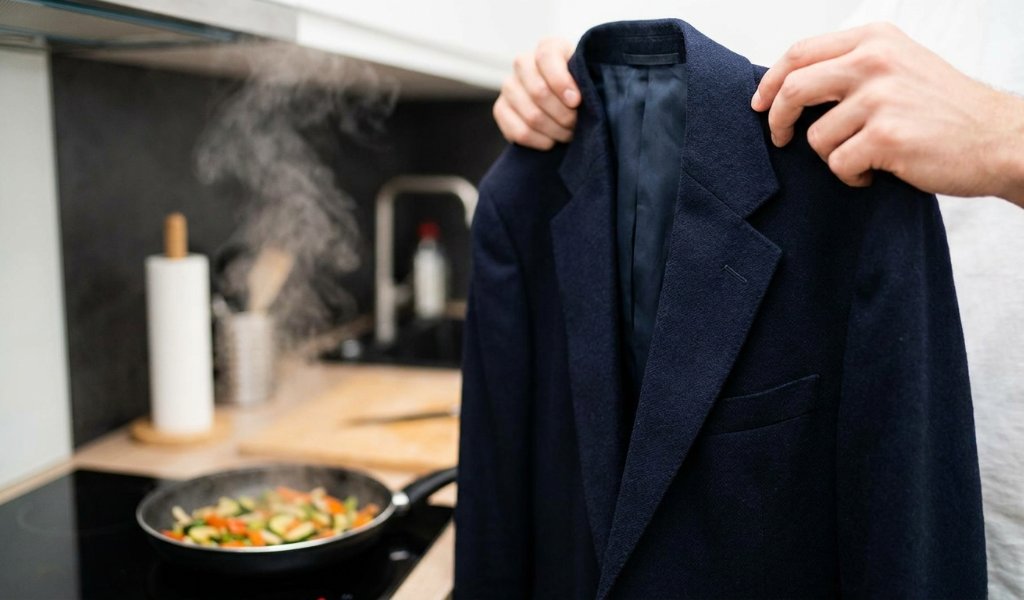
Cooking dinner in compact apartments often leaves lingering kitchen aromas across daily professional wardrobes. Over 68 percent of urban residents report food smells settling deeply into work garments. Furthermore, culinary grease particles settle onto woven threads within thirty minutes of active pan frying. Busy professionals need practical methods to remove oil odor from clothes without constant dry cleaning bills. Effective laundry routines protect delicate fabric weaves while restoring crisp freshness overnight.
Key Takeaways
- Apartment airflow limits: Compact city layouts trap greasy vapor indoors quickly.
- Fabric fiber absorption: Synthetic workwear absorbs airborne culinary oils faster than cotton.
- Baking soda neutralization: Alkaline powders break down acidic kitchen aromas naturally.
- Hot water soaking: Controlled warmth releases stubborn lipids from woven garments.
- Steam vapor refresh: Vertical steam dislodges trapped scent molecules between washings.
- Vinegar rinse cycles: Mild organic acids strip oily residues without fabric harm.
Why NYC Living Traps Kitchen Smells In Fabric
Compact living quarters concentrate airborne grease particles rapidly during routine meal preparation. Most urban kitchens lack exterior venting range hoods to exhaust heavy culinary smoke. Consequently, aerosolized cooking oil circulates freely across tight living rooms and open bedroom closets.
Synthetic office fabrics like polyester and nylon act like sponges for kitchen moisture. These hydrophobic fibers attract greasy lipids while repelling normal cleaning water during standard cycles. Therefore, oily compounds bond firmly with synthetic filaments before you even finish dinner.
Interior humidity levels further lock airborne grease droplets into closet storage spaces. Small apartment radiators produce dry heat that bakes oily residues directly into textiles. As a result, standard wardrobe storage preserves pungent odors instead of airing fabrics out.
Urban dust also binds with floating cooking oils to coat hanging apparel. This sticky film accumulates on shoulders and sleeve cuffs during weeknight dinner prep. Without proper intervention, these microscopic films become harder to remove over time.
Pre-Treating Oily Garments Before Washing
Fast intervention prevents cooking vapors from penetrating deeper into formal work blazers. First, sprinkle pure baking soda across lapels, collars, and exposed cuff surfaces. The alkaline powder absorbs surface grease without causing color discoloration on blended fabrics.
Next, mix mild liquid dish soap with warm water to treat collar edges. Dish soap contains specialized surfactants engineered to break down animal fats and plant oils. You can inspect maintenance guides for a clean wax warmer pot to see how gentle surfactants emulsify stubborn oil residues safely.
Allow the pre-treatment mixture to sit on stained zones for twenty minutes. Gently brush the fibers with a soft microfiber cloth using circular motions. In addition, rinse the spot with lukewarm tap water to check residual smell levels.
Always test any pre-treatment solution on an interior seam first. Testing prevents unexpected color bleeding or fabric distortion on expensive formal suits. Once confirmed safe, apply the solution liberally to all exposed outer garment panels.
Optimal Washing Techniques For Heavy Food Scents
Standard cold water cycles rarely dissolve set food oils embedded in work shirts. Instead, select the warmest water temperature permitted on your garment care tag. Elevated temperatures melt greasy bonds so detergent molecules can carry residues away completely.
Add one cup of white distilled vinegar to the initial rinse cycle basin. Vinegar lowers water pH, which neutralizes alkaline odor compounds produced by fried foods. Just like outdoor exhibitors manage soil at the maryland fall home garden expo, proper chemical balance ensures spotless textile cleanliness.
Avoid commercial fabric softeners when laundering clothes exposed to heavy cooking fumes. Softeners leave a waxy coating that traps culinary oils inside thread pores permanently. Instead, use an extra rinse cycle to flush out all dissolved grease.
Consider adding oxygen bleach powder for stubborn odors on light-colored cotton button-down shirts. Oxygen bleach breaks organic soil molecules apart through oxidation without damaging delicate plant fibers. This extra step revitalizes dull fabrics while stripping stubborn food smells from collars.
Alternative Deodorizing Strategies Without Washing
Delicate suits and structured wool coats cannot undergo frequent washing machine cycles. Therefore, hanging garments in a well-ventilated bathroom creates a gentle steam chamber. The moist heat opens fabric fibers and releases trapped volatile aroma compounds effectively.
Handheld garment steamers provide concentrated deodorizing power directly to problem zones like underarms. Move the steamer nozzle smoothly across fabric panels while maintaining three inches distance. Equipment specialists evaluating industrial tools like equip exposition dates tickets emphasize routine heat maintenance to eliminate tough organic films.
Spritzing garments with diluted vodka or isopropyl alcohol also neutralizes persistent food odors. The alcohol evaporates rapidly, pulling lingering lipid scents away into the surrounding air. Hang the treated clothing near an open window to finish drying completely.
Activated charcoal sachets placed inside pockets absorb stubborn aromas while garments rest overnight. Charcoal contains millions of micropores that attract and trap airborne organic molecules. Place two sachets inside each jacket pocket to keep tailored wool suits fresh.
Ventilation Habits For Compact Kitchen Wardrobes
Proactive airflow management prevents food aromas from reaching bedroom storage areas during cooking. Always close closet doors and interior room dividers before turning on your stove. Furthermore, place a box fan in your kitchen window facing outward during cooking.
High-efficiency particulate air purifiers capture vaporized grease droplets before they settle onto fabrics. Place an active carbon air filter directly between the kitchen and living quarters. The porous carbon matrix traps airborne food molecules before they contact hanging clothes.
Store your daily work suits inside breathable cotton garment bags inside closet spaces. Plastic dry cleaning bags trap humidity and allow grease particles to condense inside. In contrast, natural cotton covers provide clean airflow while blocking ambient culinary steam.
Wipe down kitchen cabinets and range surfaces immediately after finishing dinner prep work. Lingering grease on stovetops continues evaporating into living room air for hours afterward. Prompt kitchen cleaning keeps your living space smelling fresh and protects delicate textiles.
Managing Wool And Delicate Fabrics Safely
Wool fibers require gentle treatment because aggressive washing shrinks natural animal hairs dramatically. Never submerge structured wool suit jackets in standard washing machine basins. Instead, use a soft horsehair clothes brush to dislodge surface dust and oils.
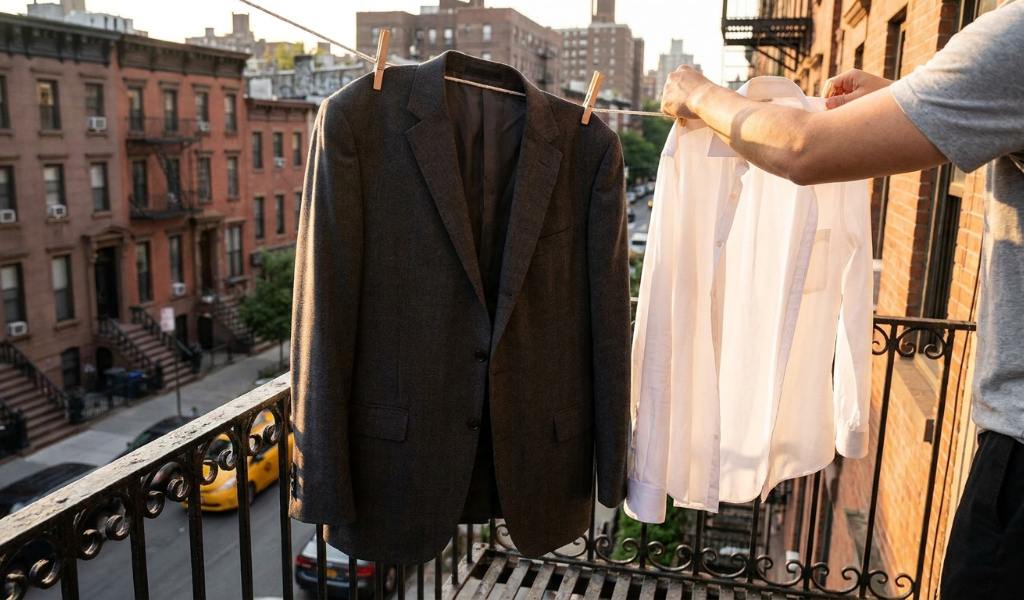
Hang wool garments outdoors on a fire escape or balcony on dry afternoons. Gentle breezes carry away stale food aromas without exposing fabrics to harsh chemical solvents. Ensure the clothing hangs in indirect shade to avoid ultraviolet fading on dark fabrics.
Silk blouses and rayon shirts also need specialized odor removal techniques after dinner parties. Fill a basin with tepid water and gentle enzyme detergent designed for delicates. Submerge the silk piece for ten minutes, then rinse thoroughly with cool water.
Roll the wet silk item inside a clean cotton towel to absorb water. Never twist or wring delicate silks, as wringing tears fragile wet fibers. Lay the garment flat on a drying rack away from kitchen drafts.
Creating A Reliable Wardrobe Care Routine
Establishing consistent weekly fabric care routines preserves expensive professional clothing across busy seasons. Rotate tailored suits regularly so garments enjoy adequate airing time between consecutive wears. Hanging clothes on wide cedar hangers naturally absorbs ambient closet moisture and foul odors.
Spot clean lapels and sleeve cuffs immediately after hosting home dinner gatherings. Lingering oils oxidize over time, creating yellow discoloration and sour odors in stored clothes. Regular maintenance keeps luxury fibers looking fresh without requiring excessive commercial dry cleaning trips.
Inspect garment linings periodically for hidden grease accumulation around seams and hems. Deep cleaning your wardrobe twice per year eliminates cumulative city grime and kitchen vapors. Dedicated attention ensures your office wardrobe maintains an immaculate professional presentation every day.
Keep a portable stain removal pen and garment brush inside your entryway console. Performing a quick evening inspection helps catch grease spots before they oxidize into stains. Consistent micro-care saves significant time and replacement costs over the entire year.
Conclusion
Eliminating kitchen odors from work clothing requires quick action, smart pre-treatments, and proper airflow. Compact apartment living presents unique ventilation challenges, but targeted laundering techniques protect your investments. Simple household supplies like vinegar and baking soda deliver exceptional deodorizing results consistently.
Adopt these protective garment care strategies today to maintain fresh, odor-free work attire. Invest in quality air filtration and establish smart cooking routines inside your home. Take control of your wardrobe maintenance now to look and smell your absolute best.
Frequently Asked Questions
Can baking soda damage delicate work fabrics?
Baking soda is safe for most fabrics when gently brushed away after use.
Does vinegar leave a lasting sour smell on clothes?
Vinegar scent dissipates entirely as fabric dries under good air circulation.
Why does synthetic fabric hold food smells longer than cotton?
Synthetic fibers are oleophilic, meaning they naturally attract and bind oily molecules tightly.
Can handheld steamers completely remove pungent fried food odors?
Steam lifts volatile scent compounds effectively, but heavy grease stains still require laundering.
How often should urban professionals wash non-stained work blazers?
Air out blazers after each wear and wash or dry clean every four wears.
