





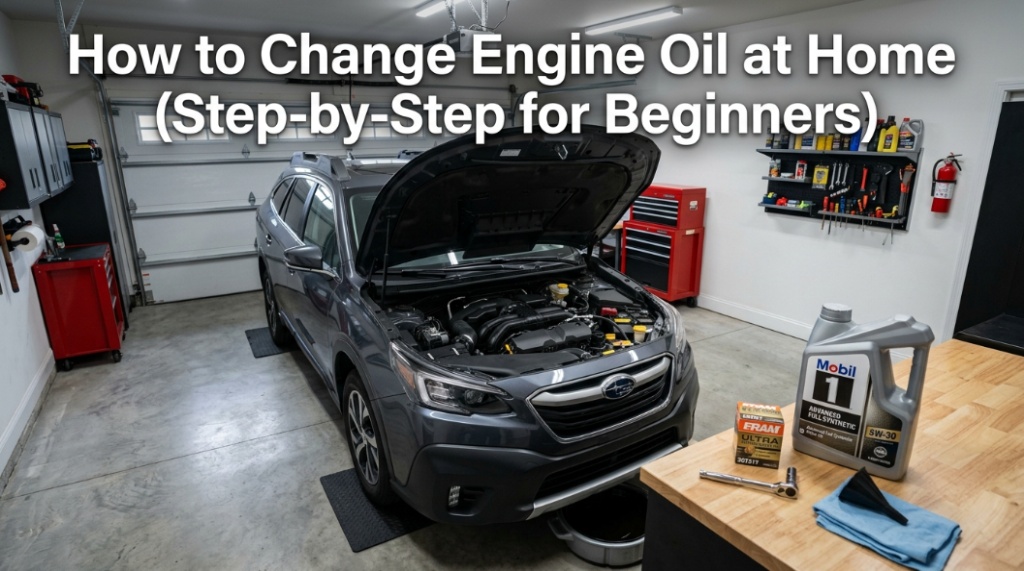
How to Change Engine Oil at Home (Step-by-Step for Beginners)
What is the easiest way to change engine oil at home?
The easiest way to change engine oil at home is to warm the engine slightly, drain the old oil, replace the filter using tools like oil filter pliers or a strap wrench, and refill with fresh oil using a socket wrench for the drain plug.
Ignoring engine oil changes is one of the fastest ways to damage your car—and most beginners delay it because they think it’s complicated or messy. That hesitation often leads to sludge buildup, reduced fuel efficiency, and even engine failure. The truth is, changing engine oil at home is one of the simplest maintenance tasks you can learn, and it can save you significant money over time.
Engine oil lubricates, cools, and protects internal components. Over time, it breaks down and becomes contaminated. A basic oil change involves draining old oil, replacing the oil filter, and adding new oil using simple tools like a socket wrench, oil filter pliers, or a strap wrench.
This guide breaks everything down step-by-step so even a complete beginner can do it safely and correctly.
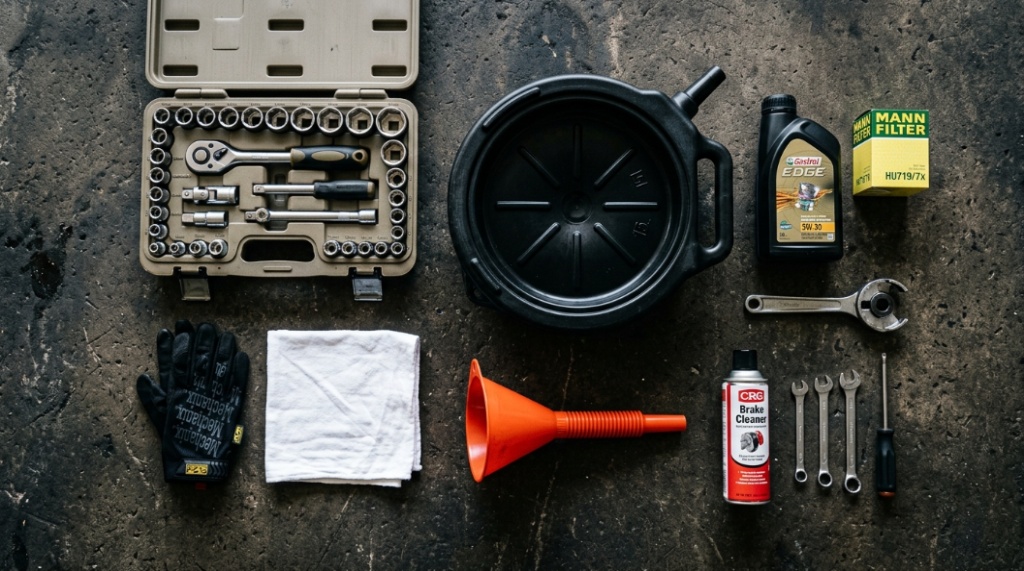
What tools do you need to change engine oil at home?
You need basic tools like a socket wrench, oil filter pliers or strap wrench, an oil drain pan, and fresh engine oil to perform a complete oil change.
Essential Tools Checklist
- Socket wrench (for removing the drain plug)
- Oil filter pliers or strap wrench (for removing stuck filters)
- Oil drain pan (to collect old oil)
- Funnel (for clean refilling)
- Jack and jack stands (if clearance is needed)
- Rubber gloves and rags
Why these tools matter
A socket wrench ensures proper torque and prevents stripping the drain bolt. Oil filter pliers or a strap wrench are crucial because oil filters often get stuck due to heat expansion and pressure.
How do you prepare your car before changing oil?
Warm the engine for 3–5 minutes, park on a flat surface, and ensure the car is safely lifted if necessary.
Preparation reduces risk and improves oil flow. Warm oil drains faster and carries more contaminants out of the engine.
Step-by-step preparation
- Run the engine briefly to warm oil
- Turn off engine and wait 2–3 minutes
- Engage parking brake
- Lift the vehicle if needed
- Place the drain pan under the oil pan
Common mistake to avoid
Do not work under a car supported only by a jack. Always use jack stands for safety.
How do you drain old engine oil properly?
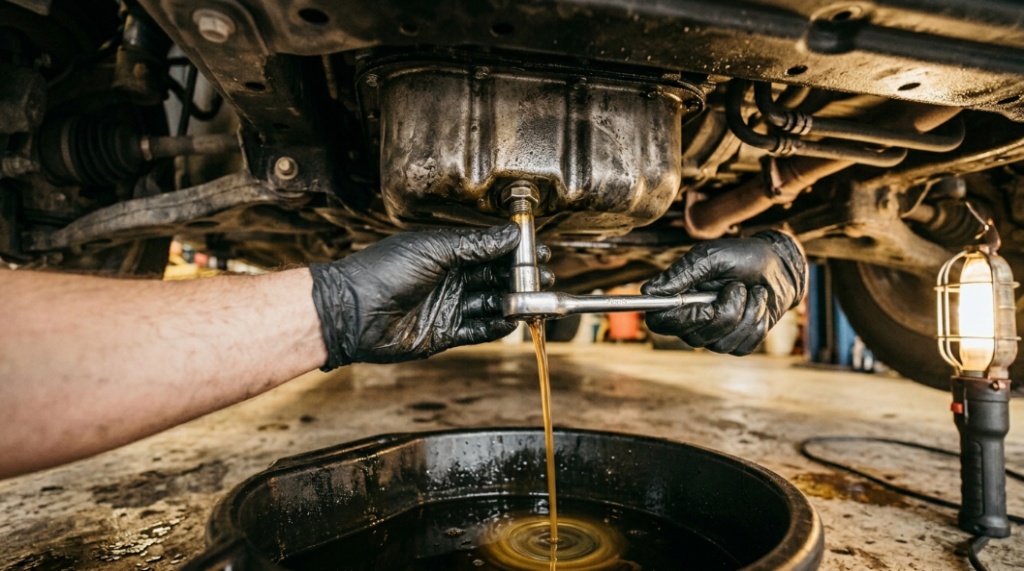
Remove the drain plug using a socket wrench and allow all oil to flow into a drain pan before reinstalling the plug.
This is the most critical step. Incomplete draining leaves contaminated oil inside the engine.
Steps to drain oil
- Locate the oil drain plug under the engine
- Use a socket wrench to loosen it
- Remove plug carefully (oil may be hot)
- Let oil drain completely (5–10 minutes)
- Reinstall and tighten the plug securely
Pro tip
Replace the drain plug washer if worn. A damaged washer can cause leaks.
How do you remove and replace the oil filter?
Use oil filter pliers or a strap wrench to remove the old filter, then install a new one by hand after lubricating its gasket.
The oil filter traps contaminants. Replacing it ensures clean oil circulation.
Steps to replace oil filter
- Locate the oil filter
- Use oil filter pliers or strap wrench to loosen it
- Unscrew by hand
- Apply a thin layer of fresh oil to new filter gasket
- Install new filter hand-tight
Why lubrication matters
Lubricating the gasket prevents leaks and makes future removal easier.
Oil filter pliers vs strap wrench: which is better?
Oil filter pliers provide stronger grip for tight spaces, while a strap wrench offers more even pressure and is less likely to damage the filter.
| Feature | Oil Filter Pliers | Strap Wrench |
|---|---|---|
| Grip Strength | High | Moderate |
| Best for | Stuck filters | Delicate removal |
| Risk of damage | Higher | Lower |
| Ease of use | Moderate | Easy |
For beginners, a strap wrench is safer. For stubborn filters, oil filter pliers are more effective.
How do you add new engine oil correctly?
Pour new oil using a funnel into the engine and check the level using the dipstick to ensure accuracy.
Steps to refill oil
- Open oil filler cap
- Insert funnel
- Pour recommended oil quantity
- Wait 1–2 minutes
- Check level with dipstick
How much oil should you add?
Most cars require 4–6 liters, but always check your owner’s manual for exact capacity.
How do you check if the oil change was successful?
Start the engine, check for leaks, and confirm proper oil level on the dipstick.
Checklist after oil change
- Start engine for 1–2 minutes
- Look for leaks under car
- Turn off engine and recheck oil level
- Ensure oil light is off
If everything looks clean and stable, the oil change is complete.
How often should you change engine oil?
You should change engine oil every 5,000 to 10,000 km depending on your driving conditions and oil type.
Factors affecting oil change frequency
- Driving in traffic or extreme heat
- Using synthetic vs conventional oil
- Vehicle age
- Driving habits
According to automotive maintenance data, regular oil changes can extend engine life by up to 40%.
What are common mistakes beginners make?
Common mistakes include overfilling oil, not tightening the drain plug properly, and using the wrong oil type.
- Overfilling oil (can damage engine seals)
- Using incorrect oil grade
- Forgetting to replace oil filter
- Not checking for leaks
These mistakes can lead to expensive repairs, so attention to detail matters.
Conclusion
Changing engine oil at home is not complicated—it’s a straightforward process that requires basic tools like a socket wrench, oil filter pliers, or a strap wrench. Once you understand the steps, it becomes routine and saves both time and money.
More importantly, regular oil changes protect your engine, improve performance, and extend your vehicle’s lifespan. Instead of relying on service centers, learning this skill gives you control over your car’s health.
Start with your next oil change. Follow the steps carefully, use the right tools, and build confidence with each attempt.
FAQ: People Also Ask
Can I change engine oil without lifting the car?
Yes, if your car has enough ground clearance, you can access the drain plug without lifting it.
Is synthetic oil better than regular oil?
Yes, synthetic oil offers better performance, longer lifespan, and improved engine protection.
What happens if I don’t change my oil?
Old oil becomes thick and dirty, leading to engine wear, overheating, and potential failure.
How tight should the oil filter be?
Hand-tight is sufficient; over-tightening can damage the gasket and cause leaks.
Can I reuse old engine oil?
No, used oil contains contaminants and should be disposed of properly.
How long does an oil change take?
For beginners, it takes about 30–45 minutes.
Where should I dispose of used oil?
Take it to a recycling center or authorized disposal facility to avoid environmental harm.
📌 Related Reads
👉 Learn how to use a handheld vacuum for bed cleaning effectively
👉 Check this guide: fix a clogged vav heating coil in an hvac system
