



What Does Residential Pest Control Include, and Is It Worth It?
You see an ant trail in the kitchen on Monday. By Friday, a spider has moved into the bathroom corner and you are half-convinced something is scratching in the attic. At some point every homeowner asks the same question: should I just sign up for regular pest control?
The answer depends on your home, your location and what the plan actually includes. Here is a plain-language look at what residential pest control covers, when it pays off and how to compare providers without getting lost in marketing promises.
What is residential pest control?

Residential pest control is a professional service that inspects, treats and monitors your home for common pests. Services range from one-time treatments for a specific problem to recurring plans, often quarterly, that focus on prevention.
Most reputable providers use an approach called integrated pest management, or IPM. Rather than spraying on a schedule, IPM combines inspection, prevention, monitoring and targeted treatment, using the least disruptive option that gets the job done.
What does a typical service visit include?
A good visit is more than a quick spray along the baseboards. Expect some or all of these:
- Inspection. The technician looks for activity, entry points and conditions that attract pests, such as moisture, clutter or food sources.
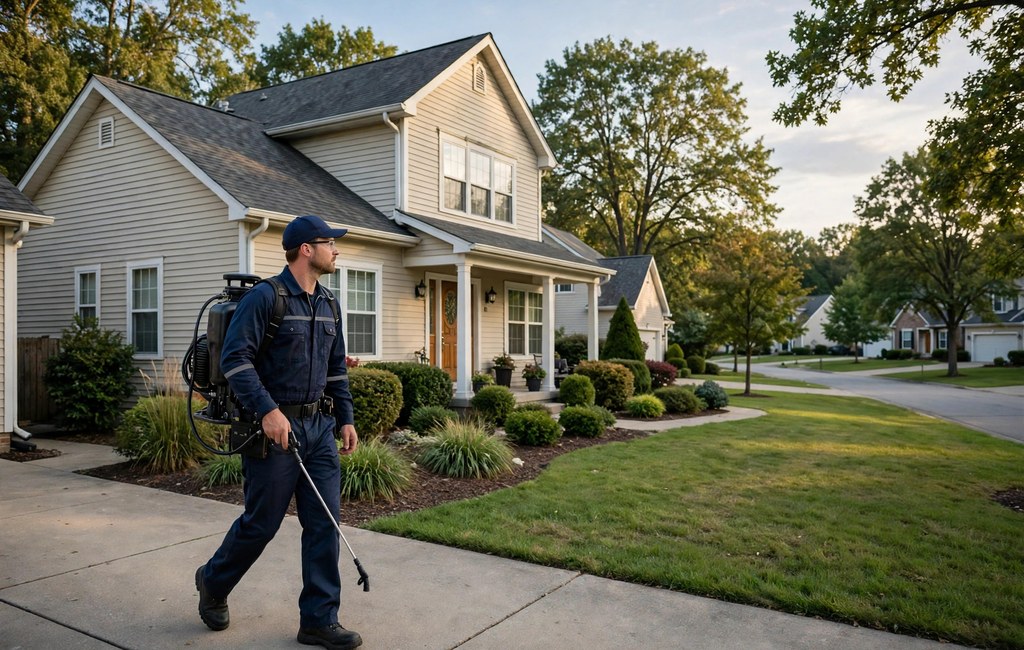
- Exterior perimeter treatment. Treatment around the foundation, doors, windows and eaves to create a barrier against ants, spiders, roaches and other common invaders.
- Interior treatment when needed. Targeted work in kitchens, bathrooms, garages or other problem areas, often without treating the whole house.
- Cobweb and nest removal. Many plans include clearing webs and wasp nests around eaves and entrances.
- Monitoring. Traps or stations that track activity over time.
- Recommendations. Practical advice such as sealing gaps, fixing leaks or adjusting storage habits.
- A service report. A summary of what was found and done.
Which pests are usually covered?
Standard plans typically cover common household pests such as ants, cockroaches, spiders, silverfish, earwigs, crickets and occasional invaders. Cockroaches in the kitchen are a common callout; here is how to remove cockroaches in kitchen cabinets for good. Some also include wasps, mice or rats.
Others are often separate or limited, including termites, bed bugs, fleas, ticks, mosquitoes and wildlife. Always check the contract. “Covers all pests” rarely means what it sounds like.
One-time treatment or recurring plan?
When a one-time service makes sense
- You have a specific problem, such as an ant invasion or a wasp nest
- You are preparing to sell, rent or move in
- Pest pressure in your area is low and your home is well sealed
When a recurring plan is worth considering
- You live somewhere with heavy pest pressure, such as warm, humid regions or homes near woods, water or farmland
- You have had repeated infestations
- You have an older home with many gaps and entry points
- You want preventive protection and fewer surprises
A plan can save money over time if it prevents bigger problems and includes free return visits between scheduled services. If you rarely see pests, it may be more than you need.
How much does residential pest control cost?

Prices vary by region, home size, pest type and provider. One-time treatments generally cost less per visit but can add up if problems return. Recurring plans spread the cost across the year and often include callbacks.
Rather than hunting for the lowest number, compare these factors:
- Which pests are included and excluded
- How many visits per year, and whether interior treatment is included
- Whether callbacks between visits are free
- Initial setup fees versus ongoing fees
- Cancellation terms and contract length
A cheaper plan that excludes the pests you actually have is no bargain. Houseplants can harbor pests too; learn about bugs in houseplant pots before you bring new plants indoors.
Is residential pest control safe for kids and pets?
Licensed technicians follow product labels and local regulations. In general, treatments are applied where pests travel and hide, such as foundations, cracks and voids, rather than broadcast across living areas.
Still, ask which products will be used, how long you should keep children and pets away from treated areas, and whether lower-impact options are available. A good provider answers directly and adapts to your needs.
What should you ask before signing?
- Are you licensed and insured in this area?
- What exactly will you do at each visit?
- Which pests are covered, and which are excluded?
- Do you offer free callbacks if pests return between visits?
- What products do you use, and can I see the labels?
- What is the guarantee, and what voids it?
- Is there a long-term contract or can I cancel anytime?
How can you reduce pests between visits?
Professional service works best alongside good habits:
- Store food in sealed containers and clean crumbs and spills promptly
- Fix leaking pipes and dripping outdoor faucets
- Seal cracks around windows, doors and utility lines
- Keep firewood, mulch and stacked items away from the foundation
- Trim shrubs and branches so they do not touch the house
- Keep gutters clean and drainage flowing away from the walls
These steps make your home less attractive to pests, and they make your provider’s job easier.
Residential pest control FAQs
How often should a home be treated?
Many plans use quarterly visits, but some homes need more frequent service and others do fine with twice a year. Your provider should recommend a schedule based on your pest pressure.
Will I see more bugs right after treatment?
Sometimes. Pests may come out of hiding as the product takes effect. Activity should drop over the following days. If it does not, call your provider.
Do I need to be home during service?
For exterior-only visits, often not. Interior treatments usually require access, so check with your provider.
Does pest control prevent termites?
Standard pest plans usually do not cover termites. Termite protection is typically a separate service with its own inspection and warranty.
Can I do pest control myself?
For minor, occasional pests, DIY products and prevention can be enough. For recurring or hidden problems, a professional can identify causes and target treatments more precisely.
Find a plan that fits your home
The best residential pest control is not the biggest package or the cheapest quote. It is the one that matches the pests you actually face, explains what it does and stands behind its work.
