




Is Biogas Worth It? Cost and Benefits for Family Households
A simple question drives most searches about biogas worth: will a household digester ever pay back the money and effort it demands? The answer hinges less on the technology itself than on your kitchen scraps, your climate, and how much cooking fuel you buy each month. Many families find that biogas delivers real value as a waste-handling and cooking solution, while others discover the numbers never quite work in their favor. This article walks through the costs, benefits, and practical trade-offs so you can judge your own situation honestly. If you already buy eco-friendly products to shrink your household footprint, a digester may fit the same mindset.
Quick answer: Biogas can be worth it for a rural or semi-rural household with steady animal manure or food waste, space for a small digester, and a warm climate that keeps the tank active. Expect a payback period of several years at best, and treat the value of free cooking gas, waste disposal, and fertilizer as the real return. For urban renters or cold-climate homes with little feedstock, the numbers rarely justify the build.
What is biogas worth?
Biogas value comes down to what the gas replaces and what the digester costs to build and keep running. A small household system captures methane from decomposing organic matter and pipes it to a stove. You measure the benefit in cylinders of cooking gas you no longer buy, plus the fertilizer and waste-handling savings that come alongside it.
Costs fall into three buckets:
- Upfront build cost. A small home digester typically runs from a few hundred dollars for a simple plastic drum setup to several thousand for a masonry or prefabricated unit. Materials, labor, and plumbing drive the difference.
- Feedstock. Manure, food scraps, and crop residue are usually free, but they take time to collect and prepare.
- Maintenance. Tanks need occasional cleaning, leak checks, and repairs. Budget time as well as money.
On the benefit side, the comparisons are concrete. A family that cooks with gas cylinders might replace part of that spending with biogas, depending on digester size and feedstock volume. A single cow’s daily manure can produce enough gas for a few hours of cooking, though output varies widely with temperature and feeding. The slurry left behind works as a fertilizer, which offsets purchased compost or synthetic inputs for a garden.
The payback math is simple but unforgiving. Divide the build cost by the monthly value of gas and fertilizer you actually replace. If a system costs $1,500 and saves $40 a month, the break-even point lands around three years—and that assumes steady feedstock and no repairs. Colder months slow the microbes, so many households see seasonal dips in output.
A digester rarely saves money on its own. The savings come from replacing fuel you would otherwise buy and fertilizer you would otherwise purchase.
Takeaway: Treat biogas worth as a personal calculation. The same system can be a sound investment for one household and a costly experiment for another.
Why biogas worth matters
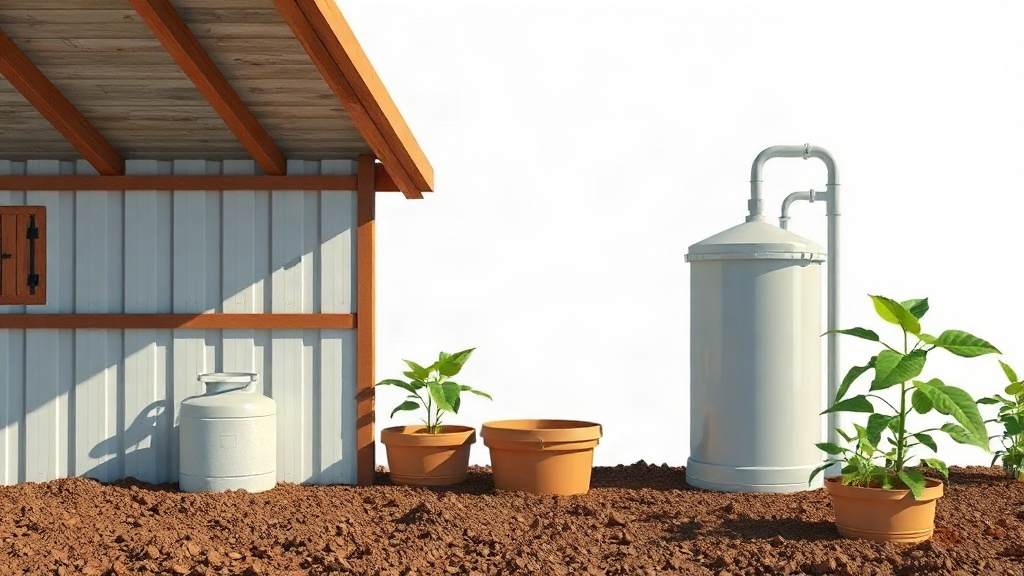
Household energy bills and waste disposal costs both rise over time, and biogas addresses both at once. Every scrap of food waste diverted from a landfill or a burn pile is a small reduction in methane emissions and hauling costs. For families trying to lower their environmental footprint, that double benefit is part of the appeal.
There is a practical side too. A working digester turns a daily nuisance—kitchen waste and animal manure—into two useful products: cooking fuel and liquid fertilizer. In places where gas cylinders are expensive or deliveries are unreliable, that self-sufficiency matters more than the raw savings. Rural families often value the steady supply of cooking fuel during supply disruptions.
Biogas also fits into a wider household sustainability plan. Families that already choose reusable items and low-waste goods often look for ways to close the loop on food scraps. A digester is one option among several, and it pairs naturally with composting and garden care. If you want to build your own system, a DIY biogas digester guide can help you weigh the build against a purchased unit.
The benefits have limits worth naming. A digester does not eliminate your gas bill unless you produce enough to cover all your cooking. It requires consistent feeding, which means storing and handling waste daily. And in cool climates, output drops for months at a time unless the tank is insulated or heated. The value is real, but it is conditional.
Takeaway: Biogas matters most where waste disposal is a burden and cooking fuel is a real expense. Where both are cheap, the case weakens.
Best practices
Getting real value from a digester depends more on daily habits than on the hardware. Start by sizing the system to your actual feedstock, not to an optimistic guess. Count the manure and food scraps you reliably produce each day, then choose a digester rated for that volume with some margin to spare.
Feed the digester consistently. Microbes work best on a steady diet, so add material at roughly the same time each day rather than in heavy bursts. Chop or shred tough scraps to speed digestion. Keep the feedstock mix balanced—too much fat, oil, or citrus can slow gas production, and large amounts of paper or woody material break down poorly.
Protect the tank’s temperature. Most household digesters perform best in warm conditions, so place the unit in sunlight or insulate it if winters are cold. Keep the gas line short and check it for leaks regularly, because a small leak wastes the fuel you worked to produce.
Plan for the slurry. The digested material is a valuable fertilizer, but it needs to be handled and stored properly. Apply it to garden beds or fields at appropriate rates, and avoid overloading sensitive plants.
Set realistic expectations and track results. Record your gas output and your monthly fuel spending for the first year. That record tells you whether the system is meeting your projection or needs adjustment.
- Feed daily and consistently
- Keep the tank warm and the gas line leak-free
- Use the fertilizer rather than discarding it
- Review output and costs after the first year
Takeaway: A well-fed, well-placed digester earns its keep. Neglect turns a sound investment into an expensive ornament.
Common mistakes to avoid
The most frequent mistake is building before measuring. Households often overestimate how much waste they produce and underestimate how much work collection takes. A digester that is underfed produces little gas, and one that is overfed sours and stalls. Measure your feedstock for a few weeks before you commit.
Another common error is ignoring climate. A system that works well in a warm region can underperform badly in a cold one without insulation or heating. Families in cooler areas sometimes spend more on keeping the tank warm than they save on gas.
Poor installation causes avoidable losses. Leaky gas lines, badly sealed tanks, and poorly sloped pipes waste fuel and create safety risks. Biogas contains methane, so a leak is both a financial loss and a hazard. Follow installation instructions carefully and check connections regularly.
Expecting too much too soon is a frequent disappointment. New digesters can take weeks to reach steady output, and seasonal variation is normal. Households that give up early miss the value that builds over time. Keep a simple log and judge results over a full year, not a single month.
Biogas is flammable. Vent gas properly, keep flames away from the tank, and never ignore a persistent smell or leak. A safe system is the only kind worth running.
Finally, many families overlook the maintenance budget. Small repairs, replacement parts, and time all add up. Build those costs into your payback calculation from the start.
Takeaway: Careful planning and honest measurements prevent most biogas disappointments.
FAQ
How long does a home biogas system take to pay for itself?
Most household systems take several years to break even, and the timeline depends on build cost, feedstock, and local fuel prices. A cheap unit with steady output and expensive cooking gas can pay back faster. Cold climates and small feedstock supplies stretch the period considerably.
Do I need livestock to make biogas worthwhile?
Livestock manure is an excellent feedstock because it is plentiful and consistent, but it is not required. Food scraps and garden waste can feed a digester, though gas output is usually lower and more variable. Households without animals should expect a smaller system and modest savings.
Can I run a digester in a cold climate?
Yes, but output will drop in winter unless the tank is insulated or heated. Some families run digesters seasonally and rely on other fuels in the coldest months. Heating a tank can also raise running costs, so weigh that against the gas you produce.
Is biogas safer than a propane or natural gas stove?
Biogas is flammable like any cooking gas, so the same precautions apply: proper ventilation, leak checks, and safe storage. The difference is that a home system adds installation and maintenance risks you control yourself. Careful setup and regular inspection keep those risks manageable.
What happens to the material left after digestion?
The leftover slurry is a nutrient-rich fertilizer that works well on gardens and fields. It should be handled and stored carefully, and applied at sensible rates so plants are not overwhelmed. Many households find this byproduct offsets part of their compost or fertilizer spending.
Conclusion
Biogas worth varies from one household to the next, and the deciding factors are practical: feedstock volume, climate, build cost, and the fuel and fertilizer you actually replace. Families with steady waste, adequate space, and expensive cooking fuel typically see the strongest case. Urban renters and cold-climate homes with little feedstock usually find the payback too slow to justify the effort. Start by measuring your daily waste and monthly fuel spending for a few weeks, then compare those figures against realistic digester output and costs. That simple exercise will tell you more than any general estimate, and it sets you up to build—or skip—with confidence.
