



Is Eco-Friendly Pest Control Actually Effective?
The label on the bottle says “natural.” The company’s brochure says “green.” Your toddler is crawling across the floor, your dog is licking everything and an ant parade is marching through the kitchen. Of course you want something gentler. But does gentle actually work? That is the question behind every search for eco friendly pest control.
The honest answer: often, yes, but not always, and the word “eco-friendly” is doing more marketing work than most people realize. Here is what the term really means, where green methods shine, where they struggle and how to choose a service you can trust.
What does “eco-friendly pest control” actually mean?
There is no single legal definition. Companies use the phrase to describe approaches that aim to reduce risk to people, pets and the environment. In practice, it usually points to one or more of these:
- Integrated pest management (IPM). A strategy that starts with inspection and prevention and uses treatments only where needed.
- Lower-impact products. Baits, gels, botanical ingredients, insect growth regulators and mineral-based products.
- Non-chemical tactics. Sealing entry points, fixing moisture, trapping, vacuuming and heat.
Because the term is unregulated, two companies calling themselves “eco-friendly” can work very differently. Ask what they actually do.
Does “natural” mean “safe”?
No. Plenty of natural substances can irritate skin, harm pets or hurt beneficial insects. Pyrethrins, derived from chrysanthemum flowers, are natural but can be toxic to cats and fish. Essential oils can irritate eyes and skin in concentrated form. Even boric acid, widely used against ants and roaches, is a pesticide and should be kept away from children and pets.
“Low toxicity” and “targeted application” are more meaningful ideas than “natural.” The question to ask is not just what is in the product but how, where and how much is used.
Which green pest control methods work well?
Exclusion and sanitation
Sealing gaps, repairing screens, fixing leaks and storing food properly are the foundation of any good plan. They are not glamorous, but they stop pests at the source, and they work for ants, cockroaches, rodents, flies and many others. Cockroaches in the kitchen are a common test; here is how to remove cockroaches in kitchen cabinets for good.
Baits and gels
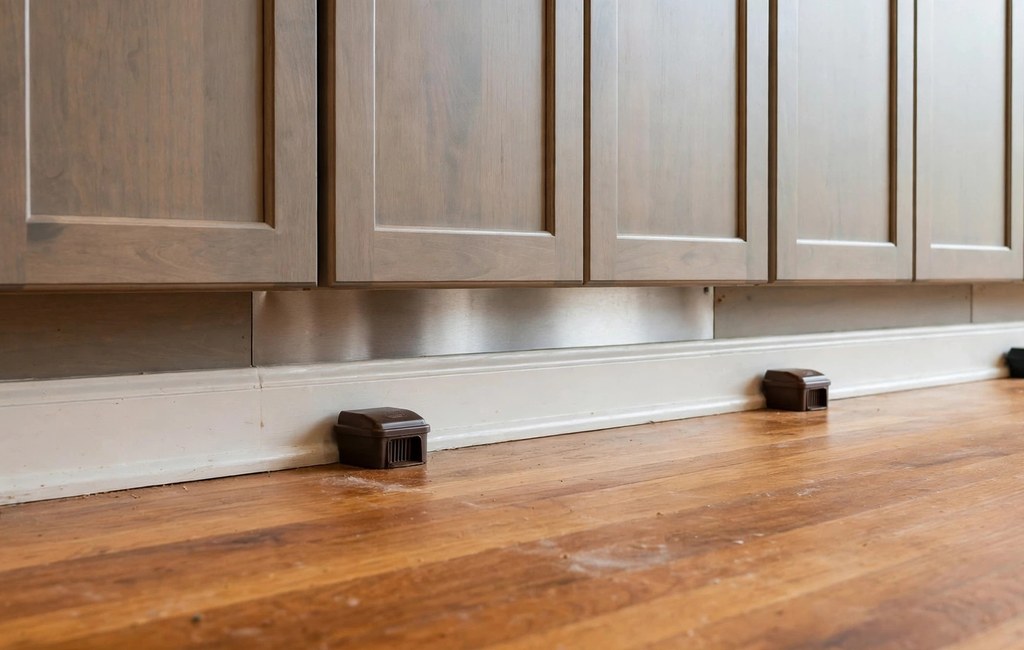
Placed in cracks or protected stations, baits let pests carry a small dose back to the nest. They use far less product than broad spraying and are highly effective for ants and cockroaches.
Diatomaceous earth and dusts
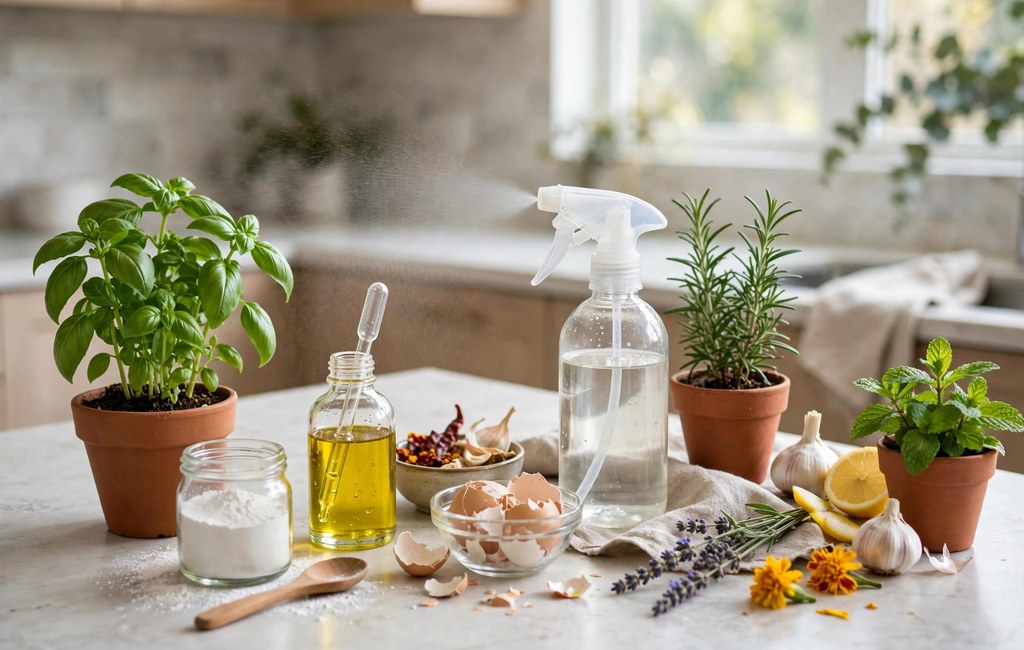
Food-grade diatomaceous earth and similar dusts work by damaging an insect’s protective coating. They can help in dry voids and cracks, but they lose effect when wet, and fine dust should not be inhaled. Use a careful, thin application.
Botanical and mineral-based sprays
Products based on plant oils or soaps can knock down some pests on contact, though they often have little lasting effect. They suit light activity and spot treatment better than established infestations.
Biological controls
Beneficial nematodes for soil pests and other biological tools can help in gardens and lawns.
Heat and traps
Heat treatment can address bed bugs without relying on residual chemicals, and snap traps and exclusion are often preferred for rodents. A clean home helps too; dust in the ducts can worsen allergies, so see what professional air duct cleaning involves.
Where do eco-friendly options fall short?
Being honest here matters. Green methods are usually excellent for prevention and light to moderate problems. They can struggle with:
- Established termite colonies. Termites often need professional liquid or bait systems to reach the colony.
- Heavy bed bug infestations. These typically need heat or a carefully combined approach.
- Large rodent problems. Sealing entry points and trapping work, but scale and hidden access can demand professional help.
- Wasp nests near entrances. Safety matters more than philosophy here.
A good eco-minded provider will tell you when stronger tools are necessary. They should also explain how they limit exposure when they use them.
How can you check whether a company is truly low-impact?
Ask specific questions:
- Do you follow integrated pest management, and what does that look like at a visit?
- Which products will you use, and can I see the labels and safety data?
- How do you reduce exposure for children, pets, and waterways?
- What non-chemical steps do you recommend or perform?
- When would you choose a conventional product, and why?
Be wary of vague answers like “everything we use is totally safe.” Safe is relative to the product, the use and the person.
Can you try green pest control at home first?
For minor issues, yes. Start with these steps:
- Remove the attraction: clean spills, store food in sealed containers, empty trash regularly.
- Fix the water: leaks, damp areas and standing water attract many pests. A slow leak behind a wall is a common culprit; learn how to find a slow leak behind wall panels early.
- Seal entry points: caulk gaps around pipes, doors and windows, and repair screens.
- Use baits for ants and cockroaches rather than broad sprays.
- Monitor with sticky traps to see what you have and where.
If the problem persists after a couple of weeks, bring in a professional. Houseplants can hide pests too; learn about bugs in houseplant pots before you move plants indoors. Waiting too long gives pests time to multiply.
What about pets and children?
Whatever method you use, follow the label, keep pets and children away from treated areas until products dry or settle and store all pest products out of reach. Tell your provider about pets, aquariums, allergies or health concerns. A good company will plan around them.
Eco-friendly pest control FAQs
Is green pest control more expensive?
It can be, especially when it involves more inspection time, exclusion work or repeat monitoring. Over time, prevention may reduce the need for repeated treatments.
Is natural pest control as effective as conventional?
For prevention and light infestations, it can be very effective. For heavy or hidden infestations, you may need stronger or more specialized tools.
Are essential oil repellents reliable?
They may repel some insects briefly, but results vary and they rarely solve an infestation on their own.
Is diatomaceous earth safe?
Food-grade types are commonly used in low-impact pest control, but the fine dust can irritate lungs and eyes. Apply lightly and keep it away from breathing zones.
Does eco-friendly pest control work for termites?
Prevention steps such as fixing moisture and removing wood-to-soil contact help, but active termite colonies usually need professional treatment.
Choose a plan, not just a label
Eco-friendly pest control is effective when it focuses on prevention, targets the real problem and is honest about its limits. The label is just the starting point. The method is what counts.
