



What Does Professional Air Duct Cleaning Actually Involve, and Is It Worth It?
Somewhere in your mailbox right now there may be a coupon promising to clean every duct in your house for the price of a nice dinner. It sounds like a bargain, and that’s exactly why so many homeowners end up disappointed. Duct cleaning done properly takes real equipment, real time, and a technician who knows what to look for.
So what does a thorough job look like, and when is it actually worth paying for? Here’s a plain-language walkthrough of professional air duct cleaning, from the first inspection to the final check, along with the warning signs that separate a solid contractor from a quick blow-through.
What happens during a professional duct cleaning?
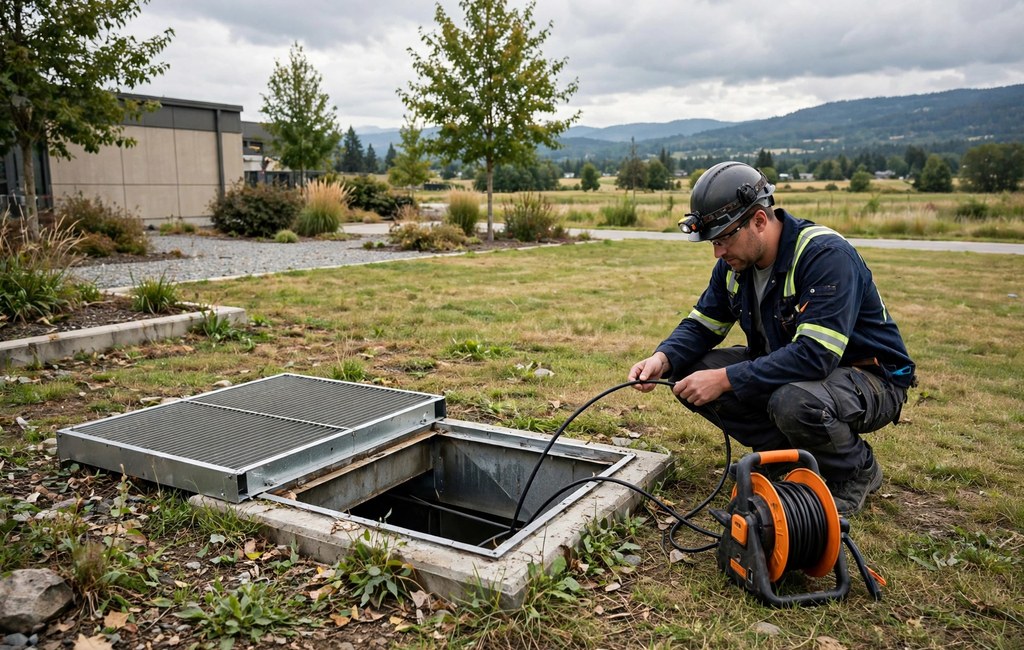
The details vary by company and home, but a proper job follows a recognizable sequence:
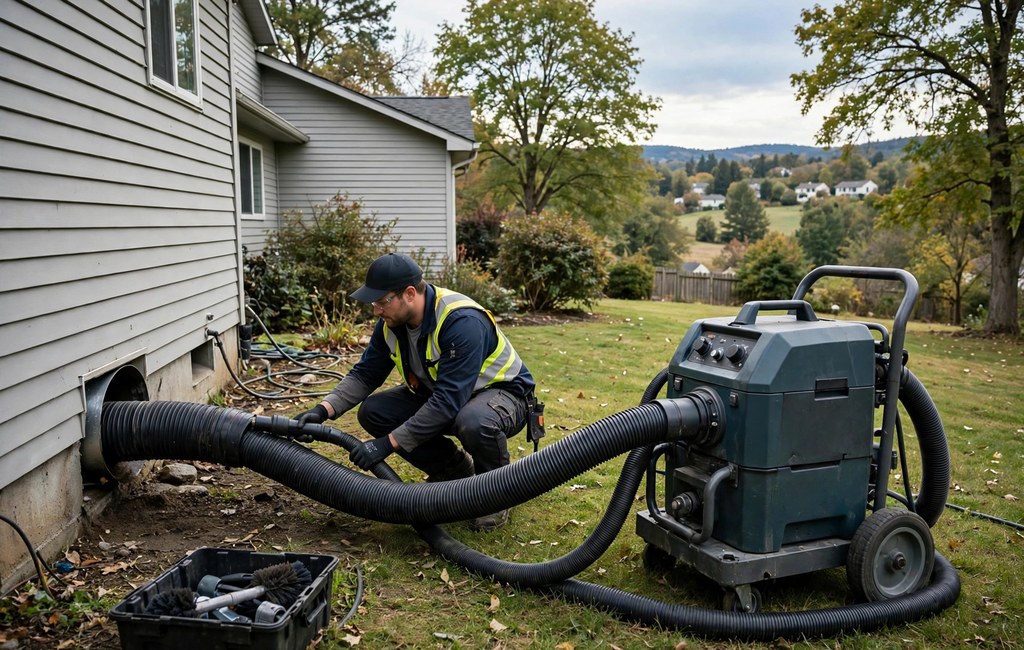
- Inspection. The technician examines the system, often with a camera, to see how much debris is present, whether there is moisture or mold, and what the ducts are made of. Good contractors show you what they find before starting.
- Preparation. Floors and furniture near registers are protected, the system is turned off, and access points are identified. Technicians may cut small access openings in the ductwork if none exist.
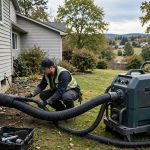
- Negative air pressure. A powerful HEPA-filtered vacuum is attached to the main trunk lines, pulling air through the system so loosened debris travels into the machine instead of back into your home.
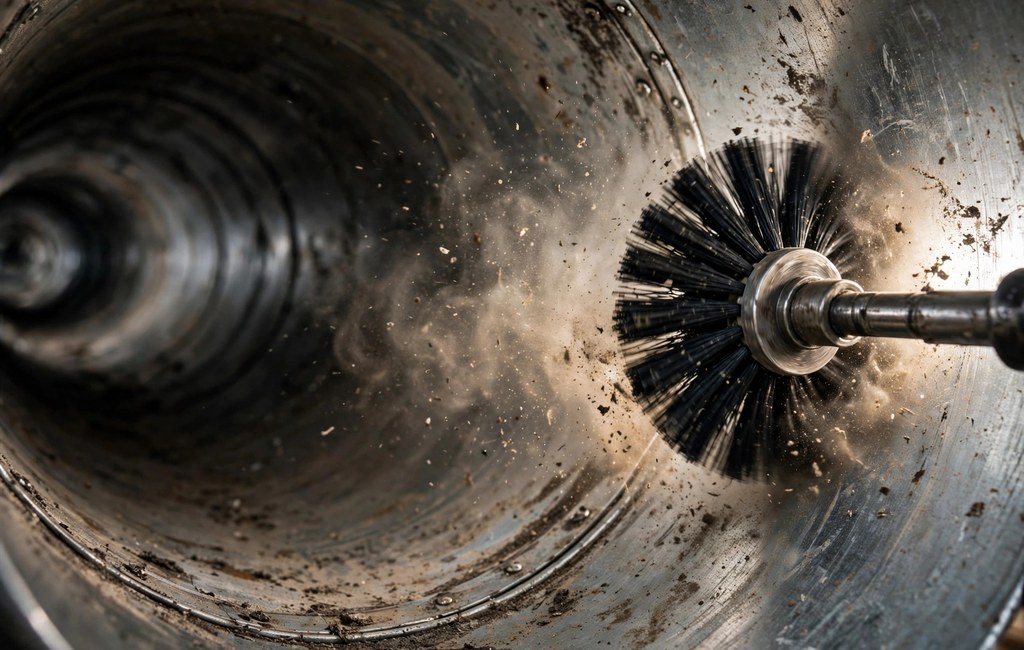
- Agitation. Rotating brushes, compressed-air tools, or air whips knock dust and debris off the duct walls. This is the step that separates a cleaning from a simple vacuuming.
- Component cleaning. Registers, grilles, the blower compartment, and plenums are cleaned. The evaporator coil and blower are often included or offered as an add-on, depending on access and condition.
- Closing up. Access openings are sealed with appropriate material, covers are replaced, and the system is checked.
- Verification. A final inspection, ideally with photos, confirms that surfaces are clean.
How long does it take?
A typical single-family home takes a few hours with a small crew, though large homes, multiple systems, or heavy contamination take longer. Be skeptical of anyone who promises to finish a whole house in under an hour. That kind of speed usually means no agitation and no real source removal.
When is professional air duct cleaning worth the money?
The EPA’s position is measured: duct cleaning hasn’t been proven to improve health outcomes by itself, and it isn’t something every household needs on a schedule. It does recommend cleaning in specific situations, and these are the ones where hiring a pro makes the most sense:
- Visible mold growth inside ducts or on other system components.
- An infestation of rodents, insects, or other pests in the ductwork.
- Ducts clogged with so much dust and debris that it is released into the home through registers.
- Major renovation or construction that has sent dust through the system.
- A recent move into a home with unknown maintenance history, or following water damage.
If none of those apply and your system is running well with a good filter, you can probably wait. A good contractor will say so honestly instead of trying to sell you a service you don’t need.
What’s usually included, and what costs extra?
Pricing models differ, so ask what the quote covers. Basic cleaning of supply and return ducts, registers, and the main trunk lines is typically the core service. Extras often include cleaning the evaporator coil and blower assembly, sealing or repairing damaged duct sections, applying sanitizer or antimicrobial treatments, and cleaning dryer vents. Be cautious about sanitizers and “fogging” offers: the EPA advises that chemical biocides should be used only when necessary, with products registered for use in ducts. A contractor who pushes treatments as a default add-on deserves extra questions.
What are the red flags of a bad duct cleaning job?
- A flat price for a whole house, quoted over the phone with no inspection.
- No negative air machine, or only a household vacuum at the registers.
- Claims that cleaning will cure allergies, asthma, or other health conditions.
- Pressure tactics, such as a discount that expires today.
- Unwillingness to show you the inside of your ducts before and after.
- No proof of insurance, or no written scope of work.
What credentials should you look for?
The National Air Duct Cleaners Association, known as NADCA, sets industry standards for cleaning, assessment, and restoration of HVAC systems and certifies technicians as Air Systems Cleaning Specialists. Membership and certification aren’t a guarantee of a perfect job, but they show the company has been trained on accepted methods. Also confirm your state or local licensing requirements, which vary, and ask for current liability insurance.
How should you prepare for the appointment?
- Clear access to registers, returns, and the air handler.
- Move fragile items and rugs away from vents.
- Secure pets in a safe area and plan for noise from the vacuum equipment.
- Replace the air filter after the job so the new system starts clean.
- Take note of any problem areas, such as rooms with weak airflow, odors, or visible dust, so the technician can look at them first.
Frequently asked questions about professional air duct cleaning
Does air duct cleaning make a mess?
A careful crew keeps the mess minimal by protecting floors and using negative air pressure, so debris is captured instead of spreading. Some dust around registers is possible, and a good team will clean it before they leave.
How much does professional duct cleaning cost?
Prices depend on home size, number of systems, access, and condition, so there’s no single number. Get a written, itemized estimate after an inspection and compare scope, not just the total.
Will cleaning my ducts improve my air quality?
It can reduce visible debris and remove contamination, and in certain situations it makes a meaningful difference. It won’t fix problems caused by leaky ducts, poor filtration, or indoor pollutant sources, which is why a good contractor looks at the whole system.
How often should I have it done?
There is no universal schedule. Many homes do fine going several years between cleanings, and the right interval depends on pets, smoking, allergies, construction, and system condition.
Want an honest answer about your ducts?
We’ll start with a camera inspection, show you what’s inside, and tell you plainly whether a cleaning will help. If it will, you’ll get a written, itemized quote with no pressure. Contact us today to schedule your inspection.
