



Why Are My Air Vents So Dusty, and How Do I Stop It?
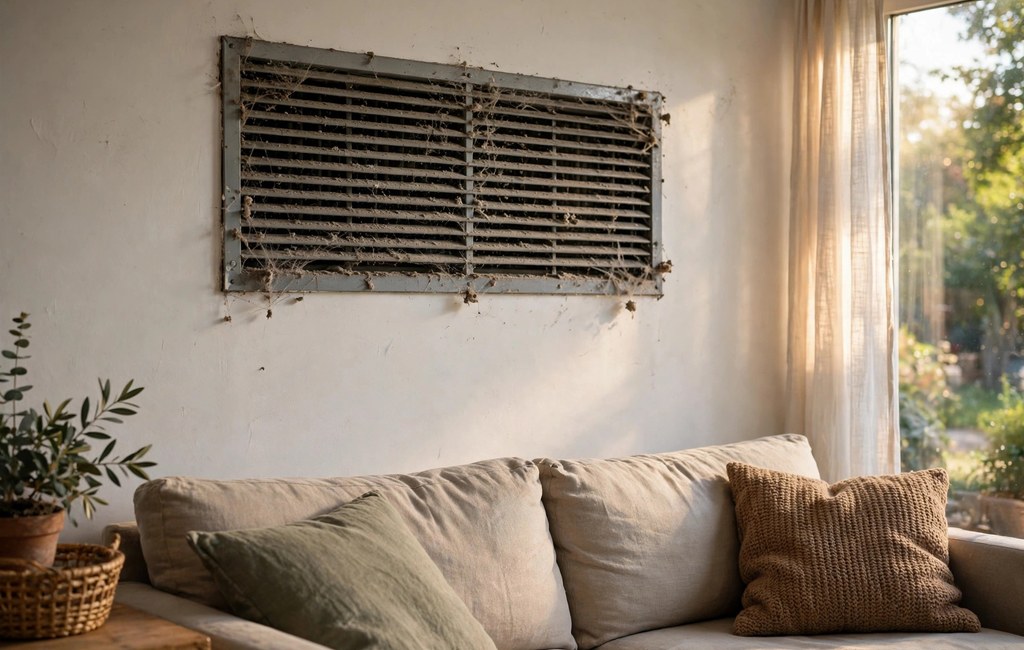
You dusted on Saturday. By Wednesday, the vent grille above the sofa is wearing a gray sweater. You wipe it, it comes back, and you start to wonder whether your house is secretly manufacturing dust.
Some dust at a vent is completely normal. But when it builds up fast, or when you can see puffs of it when the system starts, the vents are telling you something about the system behind them. Here’s how to read that message, find the cause, and cut down on the dust for good.
Is some dust around vents normal?
Yes. Moving air carries particles, and the edges of a register are where airflow slows and drops them. A light film that returns over a few weeks isn’t a red flag. Heavy buildup within days, dust visibly blowing out of supply vents, or dust that keeps showing up on furniture even after cleaning are different, and they point to something fixable.
What are the most common causes of dusty air vents?
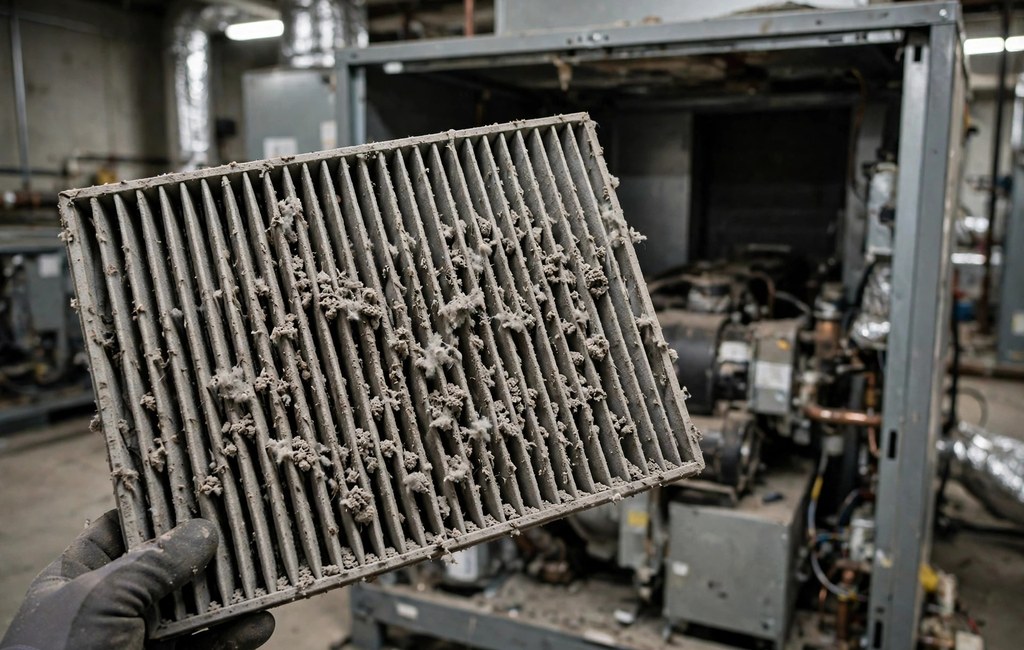
- A poor or overdue filter. Filters that are the wrong size leave gaps that let dust bypass them entirely. A very low-grade filter lets fine particles through, and an overdue one stops working altogether.
- Leaky return ducts. Returns pull air from the house back to the system. If the return ductwork has gaps in an attic, crawl space, or wall, it pulls in dust, insulation fibers, and debris from those spaces and spreads them everywhere.
- Renovation or construction dust. Sanding drywall, cutting tile, and refinishing floors send fine dust straight into return vents if they aren’t covered.
- Pets and people. Skin cells, hair, and dander are major ingredients of household dust, and a home with several pets will see more.
- A dirty blower, coil, or air handler. Buildup there gets blown into the ducts every cycle.
- Gaps around the filter slot or air handler cabinet. Unfiltered air that sneaks around the filter carries dust directly into the system.
- Outdoor sources such as pollen, wildfire smoke, and dust from open windows, particularly in dry or windy regions.
What about black dust around vents?
Dark streaks near vents, on walls, or along carpet edges are often soot from candles, fireplaces, or gas appliances, not mold. The air movement near registers deposits those fine particles in streaks. If the black material is fuzzy, patchy, or comes with a musty smell, treat it as possible mold and read up on how to tell the difference before you start scrubbing.
How do you know if the dust is coming from your ducts?
Here is a question most guides skip: is the dust being produced inside the ducts, or is it just landing at the vents? You can run a simple check. With the system running, tape a square of cheesecloth or a fine mesh over one supply register for a day or two, then remove it. A thin film means the air is relatively clean. A visible gray layer means dust is moving through the ducts. Don’t leave the register covered for long, and don’t try this if your system is already struggling with airflow.
Keep in mind that the EPA notes duct cleaning hasn’t been shown to reduce the dust on household surfaces by itself, because much of that dust originates inside the home. If your ducts are fairly clean, the real fixes are filtration and sealing, not cleaning.
What actually reduces vent dust?
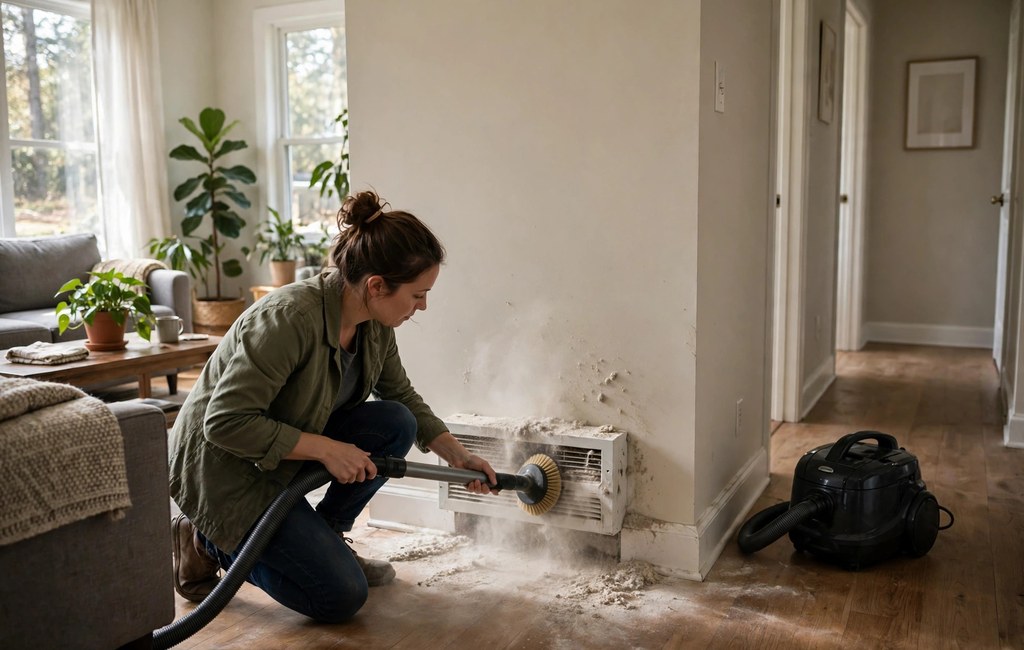
Work through these in order, from cheapest to most involved:
- Replace the filter with one that fits the slot snugly. Check the size printed on the frame and seal any visible gaps around the slot.
- Choose the right grade. Filters in the MERV 8 to 13 range are common for homes, but a denser filter can choke airflow in systems not designed for it. Ask your technician or check the equipment manual before upgrading.
- Wipe and vacuum the registers. Remove the covers and vacuum the visible boot with a brush attachment.
- Inspect accessible ducts for loose joints or gaps, especially on the return side.
- Seal leaks with mastic or foil tape rated for ducts. Ordinary cloth duct tape dries out and fails.
- Cover return vents during any renovation, and replace the filter right after the work is done.
- Add an air purifier with a HEPA filter in the rooms you use most if dust or allergies are a particular concern.
When should you consider duct cleaning?
Cleaning makes sense if you can see heavy debris inside the ducts, if renovation dust has settled throughout the system, if there has been a pest or water problem, or if the cheesecloth test shows dust moving steadily through the supply side. It’s worth asking any contractor to show you the inside of the ducts first, so you pay for work you actually need. If leaks are the cause, cleaning without sealing will only reset the clock.
How often should you clean the vents themselves?
A quick wipe or vacuum of the registers every month or two keeps buildup from getting heavy. Homes with pets, smokers, or allergy sufferers may want to do it more often. Wash removable covers a couple of times a year.
Frequently asked questions about dusty air vents
Is dust from air vents harmful?
For most people it’s mainly a nuisance, but dust can aggravate allergies and asthma. If you or a family member has respiratory sensitivities, better filtration and regular cleaning are worth the effort.
Will a higher-rated filter solve the problem?
It can help, but only if your system can handle the extra resistance. A filter that’s too dense can reduce airflow and strain the blower, so match the filter to your equipment.
Why is there so much dust right after the AC turns on?
Dust settles in ducts and on the blower while the system is off. The first burst of airflow can push some of it out. If it’s heavy or constant, check the filter and the return ducts.
Do air purifiers help with dusty vents?
They help reduce airborne dust in a room, but they don’t fix the source. Think of them as a supplement to a good filter and sealed ducts, not a replacement.
Tired of wiping the same vents every week?
Let’s find out where your dust is really coming from. Our team can inspect your filter setup, return ducts, and registers, and tell you honestly whether you need sealing, filtration upgrades, or a duct cleaning. Contact us today and breathe a little easier.
