





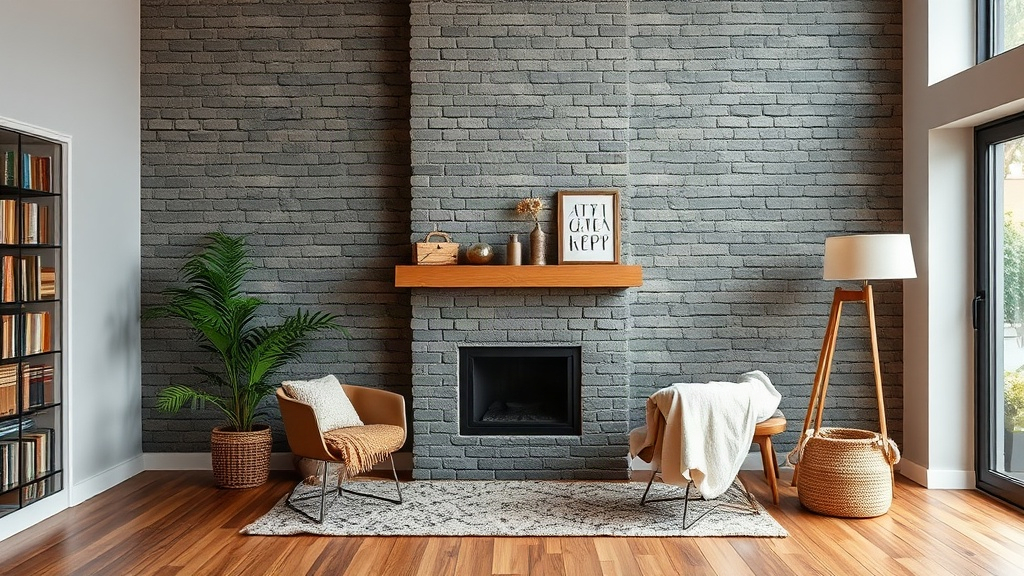
Renovation Mistakes That Can Hurt Your Resale Value
Renovation mistakes rarely show up on the day you finish the work. They surface years later, when a buyer walks through the door and starts subtracting money from your asking price. A few common errors can quietly erase the value of an otherwise solid home upgrade. The good news is that most of them are avoidable with a little planning before the first hammer swings. Resources like newhouseproject.com can help you think through which improvements actually pay back.
Quick answer: The biggest renovation mistakes that hurt resale value are over-improving for the neighborhood, choosing highly personal finishes, skipping permits, and letting maintenance pile up. Protect value by keeping changes in line with nearby homes, choosing neutral durable materials, and documenting every permitted project. Aim for improvements a broad range of buyers would want, not just what you love.
What is renovation mistakes?
A renovation mistake is any remodeling decision that costs more than it returns, complicates a future sale, or creates problems a buyer or inspector will later flag. Some mistakes happen at the planning stage: building an addition too large for the lot or the block. Others happen during construction: cutting corners on plumbing, wiring, or waterproofing. Still others seem harmless at first, like choosing bold tile or a custom paint color, and only matter when the home hits the market.
What ties these errors together is a mismatch between personal taste or short-term savings and long-term value. A renovation should serve two masters: the way you live today and the way a future buyer will see the home. When those two goals clash, value tends to lose.
The difference between a defect and a preference
A defect is something objectively wrong, such as an unpermitted deck, a leaking shower pan, or a roof that fails inspection. A preference is subjective, such as an unusual layout or vivid paint. Both can cost you at resale, but they work differently. Defects scare buyers and lenders because they signal risk. Strong preferences narrow your buyer pool because fewer people see themselves in the space.
Understanding this split helps you prioritize. Fixing defects usually protects value. Dialing back strong preferences usually expands it. Both require deciding these things before you start spending.
Why small mistakes compound
A single odd choice, like tiling an entire bathroom in bright green, is easy to fix later. A stack of small mistakes is not. Suppose you move a wall without a permit, hide a shoddy repair under new flooring, and install a vanity that blocks a vent. Each issue alone seems minor. Together they turn a simple bathroom into a project that frightens any buyer or inspector. Construction problems tend to hide behind finishes, and hidden problems are expensive to uncover.
Saving a modest amount on one trade can cost far more to correct later, especially when the work has to be opened up again for inspection or repair.
Why renovation mistakes matters
Every dollar you spend on a renovation is money you could have left in your savings or put toward the mortgage. When the work adds value, that spend makes sense. When it does not, you have simply converted cash into something a future buyer will not pay for. Renovation mistakes matter because they turn a hoped-for investment into a sunk cost.
The resale math buyers actually run
Buyers compare your home against similar listings nearby. If your house is the most expensive on the street, its price is held down by the others around it, regardless of what you put in. An over-improved home can sit on the market while cheaper neighbors sell. Similarly, an out-of-date kitchen in an otherwise nice house invites low offers, because buyers mentally subtract the cost of a remodel and add a buffer for hassle.
Mistakes that create legal and safety exposure
Unpermitted work is one of the most expensive errors you can make. When a project requires a permit and you skip it, the change may not count toward appraised value, and an inspector can order it torn out or brought up to code. Insurance can also be affected. If a fire or flood traces back to unpermitted electrical or plumbing work, an insurer may dispute coverage.
The time and stress cost
Even when a mistake is fixable, it costs time. A failed inspection delays closing. A buyer who discovers a problem mid-contract may renegotiate or walk away. Every delay keeps carrying costs, like taxes and utilities, running. Value is not only about price; it is also about how quickly and cleanly a sale closes. Avoiding renovation mistakes protects both.
Confirm permit rules with your local building department before work begins. Requirements vary widely by location and project type.
Best practices
Plan the project against a realistic budget and a clear resale goal. Start by studying recent sales in your area and comparing them to your home’s current condition. Then decide what a typical buyer there expects to find. That baseline shapes every choice that follows.
Plan for the buyer, not just yourself
Favor layouts and finishes that appeal to the widest group. Neutral colors, simple cabinetry, and durable surfaces are easy to live with and easy to sell. If you want a distinctive look, save it for elements that are cheap to change, such as paint, hardware, or removable shelving. Keep the expensive, permanent items conservative.
Keep upgrades in line with the neighborhood
Modest homes in modest areas rarely recover the cost of luxury additions. Choose improvements that fit the block. The most reliable value tends to come from kitchens, bathrooms, energy-efficient windows, and well-maintained systems. For a broader look at which projects repay their cost, see home upgrades that boost property value.
Get permits and keep records
Pull permits for structural, electrical, plumbing, and major mechanical work. Keep copies of plans, inspection reports, and contractor invoices in a single folder. When you sell, that paperwork reassures buyers and can prevent delays. Documented work is easier to appraise and easier to insure.
Hire licensed trades and inspect the work
A licensed contractor protects you because the work is more likely to pass inspection and covered by a complaint process. Do not release final payment until you have inspected the result and have a written warranty. Walk through the work yourself and note anything that looks off before signing off.
Set aside a portion of the budget for surprises behind walls and under floors. Older homes almost always reveal something once work begins.
Common mistakes to avoid
These errors appear again and again in remodeling projects, and each one has an outsized effect on resale.
- Over-improving for the neighborhood. Building a luxury kitchen in a starter home rarely returns its cost. Match your spend to what nearby homes support.
- Going too personal with finishes. Bold colors, unusual fixtures, and themed rooms appeal to you but narrow your buyer pool. Keep permanent items neutral.
- Skipping permits. Unpermitted work can lower appraised value, complicate insurance, and trigger inspection issues.
- Removing a bedroom or bathroom. Reducing the count of bedrooms or baths can drop your home into a different buyer category and lower its price.
- Ignoring structural and water issues. Cosmetics matter less than a failing foundation, roof, or drainage problem. Fix the bones first.
- Making changes that clash with the floor plan. Blocking a hallway, closing off light, or shrinking a bedroom to create a closet can make the layout feel awkward.
- Choosing the cheapest bidder. Low bids often hide missing scope, and the extras arrive later as surprise costs.
- Underestimating maintenance. Deferred repairs pile up into a large bill that buyers will factor into their offer.
The over-improvement trap, illustrated
Imagine a modest three-bedroom home where you spend heavily on a spa-style master bathroom with heated floors and a soaking tub. A buyer in that price range may value a good bathroom, but probably not enough to pay the full premium. You have spent on features most comparable homes do not have, and the street caps what yours can sell for. The fix is simple: put money into what buyers already expect, and keep the extras small.
Cosmetic changes that narrow your buyer pool
Strong design choices feel great during the project and painful at the sale. A dark accent wall, dramatic backsplash, or unusual flooring can read as a fix needed to a buyer who wants move-in ready. Choose durable, timeless finishes instead, and if you want a splash of personality, reserve it for paint and décor you can remove.
Converting a bedroom into something else can reduce resale value more than the remodel adds. Check how your home is officially counted before you change a room’s use.
FAQ
Will a renovation mistake always reduce my resale value?
Not always. Small, reversible choices are easy for a buyer to change, so their effect is limited. The bigger risks come from structural changes, unpermitted work, and projects that push your home above what the neighborhood can support. Watch those three areas most closely.
Does an expensive renovation guarantee a higher sale price?
No. Cost and value are different measures. A costly project can add comfort and function without adding resale value, especially if it exceeds what nearby homes offer. Before starting, compare your plan to recent sale prices on your street.
How do I know if my project needs a permit?
Ask your local building department. Rules differ by location and by project type, and even some interior changes may require one. When in doubt, call before work begins. Skipping a needed permit is a risk you cannot easily undo.
Is it better to fix up or leave the home as is before selling?
It depends on the condition and the local market. Repairs that address defects usually help, since buyers discount homes with visible problems. Cosmetic upgrades help less and may not recover their cost. Fix what is broken, then decide whether polish is worth it.
What is the safest way to add value without overspending?
Focus on kitchens, bathrooms, and essential systems, keep finishes neutral, and stay within the range of nearby homes. Avoid ambitious additions in modest neighborhoods. Simple, well-executed improvements carry less risk than dramatic ones.
Conclusion
Renovation mistakes usually come from good intentions: spending on what we love, saving where we can, and moving fast. Yet value depends on restraint and documentation as much as on design. Keep your upgrades in line with the neighborhood, choose neutral durable finishes, get permits, and keep records of every project. Then, before you commit to a major change, walk your plan past a trusted contractor and compare it to recent sales nearby. Start small, verify the details, and let the value follow.
