






How to Find Relief with a WA Support Pillow?
Waking up with a stiff neck, a shooting pain down your arm, or that familiar dull ache in your lower back can ruin your entire day. If you live in Washington, with its long commutes, active outdoor lifestyle, and often stressful work environments, you know that poor sleep posture doesn’t just affect your rest—it affects your ability to function.
You have tried different pillows, but nothing seems to hold its shape or provide the targeted support your body craves. The problem isn’t you; it is the lack of proper spinal alignment during sleep. The solution lies in finding targeted washington support pillow relief that addresses your specific sleep position and pain points. This guide will walk you through exactly what to look for, how to test a pillow for real-world relief, and how to make the right choice for a pain-free morning.
What Is a WA Support Pillow and How Does It Differ from a Standard Pillow?
A WA support pillow is designed to provide therapeutic, targeted support for the neck, shoulders, and spine, specifically tailored to the needs of active individuals or those with chronic pain. Unlike a standard pillow that simply cushions your head, a WA support pillow uses specialized materials and ergonomic contours to maintain neutral spinal alignment from your hips to your head. This distinction is critical for achieving true washington support pillow relief.
The Core Functional Difference
Standard pillows are typically uniform in loft and firmness. They compress under the weight of your head, often forcing your neck into an unnatural angle. A WA support pillow, on the other hand, features zones of varying density. It has a higher loft under the neck to fill the gap between your shoulder and ear (side sleepers) and a softer, cradle-like center for the head. This structural difference is the primary reason a support pillow can alleviate, rather than aggravate, pain.
Materials That Make a Difference
Most WA support pillows use advanced memory foam, latex, or shredded bamboo blends. Memory foam molds to your unique shape, while latex offers more bounce and cooler sleep. Shredded fills allow you to adjust the loft. These materials are superior to standard polyester fiberfill because they resist flattening and maintain their supportive properties for years, providing consistent washington support pillow relief night after night.
Who Needs This Specific Type of Support?
If you suffer from cervical radiculopathy (pinched nerve), tension headaches, thoracic outlet syndrome, or shoulder impingement, a standard pillow is likely making things worse. A WA support pillow is engineered for those who need structural help maintaining alignment—not just a soft place to lay their head. For many, switching to a support pillow is the single most effective non-medical intervention for sleep-related pain.
Why Do I Wake Up with Neck and Shoulder Pain in Washington?
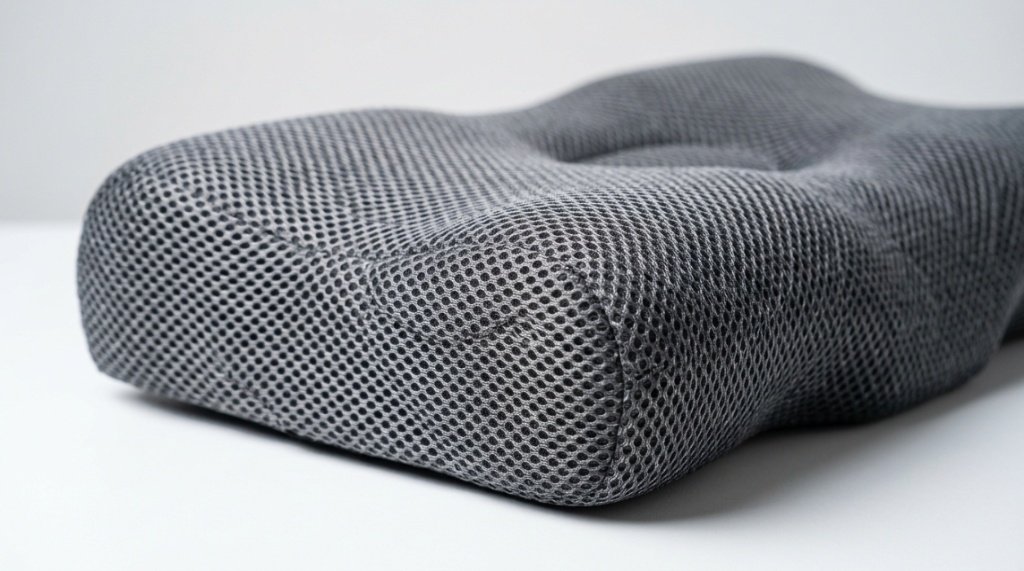
Waking up with pain is often a direct result of poor sleep ergonomics, compounded by daily stressors and commuting habits unique to the Pacific Northwest. The pillow you use is the most immediate variable you can control to fix this. Understanding the root cause helps you select the right washington support pillow relief.
The Commute and Posture Connection
Sitting in traffic for an hour each day in Seattle, Tacoma, or Spokane tightens your hip flexors and rounds your shoulders. When you lie down at night, this tightness transfers to your upper back and neck. If your pillow is too high or too low, it locks that poor daytime posture into place while you sleep. A support pillow that gently opens the chest and supports the cervical curve can counteract this accumulated tension.
Sleep Position Mismatch
A common mistake is using a pillow designed for back sleepers when you are a stomach or side sleeper. Side sleepers need a thick, firm pillow to fill the gap from shoulder to ear. Stomach sleepers need a very thin, soft pillow—or none at all. A WA support pillow comes in specific profiles for each position. Using the wrong profile is a guaranteed way to wake up with a stiff neck, regardless of pillow quality.
The Impact of Stress on Muscle Tension
Washingtonians often juggle high-pressure tech jobs, outdoor adventures, and family responsibilities. Mental stress manifests as physical tension in the trapezius muscles and jaw. A pillow that forces your neck into a kinked position will exacerbate this clenching and grinding. A properly contoured support pillow allows the muscles of the neck and shoulders to fully relax, which is essential for recovery and genuine washington support pillow relief.
How Do I Choose the Right Loft and Firmness for My Sleep Position?
Choosing the wrong pillow profile is the #1 reason people return pain-relief pillows. The loft (height) and firmness must match your sleep position and body frame. Here is the exact method to find your match for optimal washington support pillow relief.
Side Sleepers: The High-Loft Rule
For side sleeping, measure the distance from your ear to the outside of your shoulder while lying on your side. If you wear a size medium shirt, your ear-to-shoulder distance is roughly 4–5 inches. You need a pillow with a loft of 4–5 inches and a firm density. If your shoulder is broad (size large or XL), you need a loft of 5–6 inches. A soft pillow will collapse, forcing your neck to bend sideways.
Back Sleepers: The Neutral Curve Test
Back sleepers require a medium loft (3–4 inches) and a medium-to-soft firmness. Perform the “hand test”: lie on your back with your potential pillow. Place your hand under your lower neck. If there is a large gap, the pillow is too low. If your chin is pushed toward your chest, the pillow is too high. The ideal pillow supports the natural C-curve of your neck without hyperextending it.
Stomach Sleepers: The Minimalist Approach
Stomach sleeping is the most dangerous position for spinal alignment, but you can still find relief. You need a very low loft (1–2 inches) or a soft, squishy pillow that compresses almost flat. Some stomach sleepers prefer a thin feather pillow or a shredded latex pillow that can be depuffed. The goal is to keep your neck in a neutral, straight line—not twisted to the side.
Which Materials Offer the Best Relief for Cervical Spine Issues?
Not all pillow materials are equal when it comes to actual therapeutic relief for your spine. The material dictates the breathability, responsiveness, and longevity of the support. Here is a breakdown of the top performers for serious washington support pillow relief.
Memory Foam with Cooling Gel
Responsive memory foam is the gold standard for cervical support because it conforms exactly to the shape of your neck and head, distributing pressure evenly. Adding cooling gel prevents the heat retention that often plagues traditional memory foam. This combination provides a “hug” that cradles the neck while keeping you cool, which is vital for deep sleep and muscle recovery.
Natural Latex (Talalay or Dunlop)
Latex is naturally hypoallergenic, dust-mite resistant, and highly responsive. It pushes back quickly against your head, providing a “lift” rather than a sinking feeling. This is excellent for people who change positions frequently during the night. Latex pillows are also naturally cooling due to their open-cell structure. They offer excellent washington support pillow relief for allergy sufferers and hot sleepers.
Shredded Bamboo and Microfiber Blends
These pillows offer adjustable loft—you can remove or add filling to customize the height. They are generally softer than solid foam blocks, making them ideal for stomach sleepers or those who want a fluffy feel with support. The bamboo charcoal often provides odor control and moisture-wicking benefits. While less structured than a solid foam contour, they offer excellent versatility.
Can a Support Pillow Help with Snoring and Sleep Apnea?
Yes, a support pillow can be a powerful tool for reducing snoring and managing mild sleep apnea symptoms by improving airway alignment. A correctly positioned neck pillow can prevent the tongue and soft palate from collapsing backward during sleep. This makes it a valuable addition for those seeking washington support pillow relief from disrupted breathing.
The Airway Alignment Principle
When your head is tilted forward on a pillow that is too high, it closes the airway. A contoured support pillow lifts the head at a 5–7 degree angle while cradling the neck. This opens the pharyngeal space, reducing vibration of the soft tissues (snoring). A study in the Journal of Clinical Sleep Medicine noted that cervical support pillows significantly reduce snoring frequency in positional snorers.
Positional Therapy for Mild Apnea
For people with mild obstructive sleep apnea that is worse on their back, a side-sleeper support pillow with a cut-out for the face can encourage side sleeping. This position keeps the airway naturally patent. While not a substitute for a CPAP machine, a good support pillow can reduce the severity of events and improve sleep quality significantly.
Limitations and When to See a Doctor
If you have been diagnosed with moderate to severe sleep apnea, a pillow is a complementary tool—not a cure. However, using a pillow that promotes washington support pillow relief for your neck will make using a CPAP mask easier, as it helps keep the seal tight and reduces leaks caused by head movement.
How Do I Test a Support Pillow for Proper Relief at Home?
You cannot truly know if a support pillow works until you sleep on it for at least one full night. However, you can perform a simple “5-Minute Test” immediately after unboxing to judge its potential for delivering washington support pillow relief.
The Pain Point Assessment
Place the pillow on your bed and lie in your usual sleep position. Close your eyes for two minutes. Pay attention to specific points: your jaw (should be relaxed, not clenched), your lower neck (should feel supported, not hanging), and your shoulder (should not be pushed into a shrug). If you feel any immediate sharp pressure or strain, the pillow is likely the wrong fit or profile.
The Roll-Over Test
Attempt to roll from your back to your side and back again while on the pillow. A good washington support pillow relief option will not bunch up or slide away. It should move slightly with your head or remain stable. If you feel resistance or need to tug the pillow to reposition, it will disrupt your sleep cycle.
The Pressure Relief Evaluation
Press your hand into the center of the pillow. It should compress without bottoming out to the mattress. Then, press your hand into the side (the shoulder zone). It should be much firmer. This zoned support is the hallmark of a therapeutic pillow. If the whole pillow feels the same, it is likely a basic comfort pillow, not a support pillow.
When Should I Replace My Old Pillow for a WA Support Model?
The most common mistake people make is holding onto a pillow far too long. A pillow that has lost its structural integrity cannot provide spinal support. Knowing the signs of wear is crucial for timing your purchase of a new washington support pillow relief product.Achieving true physical relief involves more than just fixing your posture; it requires optimizing your entire sleep ecosystem. While a WA support pillow aligns your spine to prevent morning aches, pairing it with dark, restful room staging is equally critical. To block out disruptive streetlights and preserve your sleep cycle, consider adding Affordable Blackout Curtains for Your Home to create a perfect, deeply restorative sanctuary.
The Fold Test
Fold your pillow in half and squeeze out all the air. Release it. If it springs back to its original shape, it is still good. If it stays folded or takes more than 30 seconds to expand, the internal fibers or foam have broken down. This means it is no longer providing the structural lift needed for support.
The Visual Deformation Check
Look at your pillow from the side. Are there permanent valleys, lumps, or flat spots where your head rests? A support pillow should have a clean, consistent contour. Any visible deformation indicates material fatigue. Waking up with your head in a depression means your neck is likely bent, preventing relief.
The Timeline Rule
Even if your pillow looks fine, most support pillows have a lifespan of 18–24 months with regular use. Foam degrades through exposure to body oils, heat, and sweat. If you are waking up with stiffness on a pillow that is older than two years, it is highly likely that your pillow is the culprit. Replacing it with a newer model designed for washington support pillow relief is a low-risk, high-reward investment.
What Are the Best Sleeping Positions to Maximize Pillow Benefits?
Your pillow choice and your sleeping position work as a team. Even the best washington support pillow relief pillow cannot overcome a poor sleeping position. Using the correct position amplifies the pillow’s therapeutic effect.
The Correct Side-Sleeping Setup
Lie on your side with your knees slightly bent. Place the support pillow under your head so that your neck is in a straight line with your spine. Place a second, thin pillow (or a rolled towel) between your knees to keep your hips square. This prevents the top leg from pulling your pelvis out of alignment, which can cause lower back pain.
The Back-Sleeping Alignment
Lie flat on your back. Place the contoured pillow so that the higher curve fits snugly into the hollow of your neck and the lower curve cradles your head. Tuck a small pillow or rolled towel under your knees to reduce strain on your lower back. Your arms should rest comfortably at your sides, not folded under your pillow.
The Transition from Stomach to Side
If you are a lifelong stomach sleeper, try transitioning using a “transition pillow.” Start by sleeping on your stomach with a very flat pillow (1 inch loft). Each week, add a folded towel under the pillow to gradually increase the loft by half an inch. After 2–3 weeks, you can often successfully shift to side sleeping without discomfort, unlocking full washington support pillow relief.
Are There Any Risks or Contraindications for Using Support Pillows?
While support pillows are generally safe and beneficial, there are specific situations where caution is required. Knowing these ensures you use the pillow correctly and safely as part of your pain management strategy.
Acute Injury or Post-Surgery
If you have recently suffered a whiplash injury, fracture, or have undergone neck surgery, do not change your pillow without consulting your doctor, physical therapist, or chiropractor. The wrong loft or firmness can introduce unwanted torque on an unstable spine. Your healthcare provider can recommend a specific pillow profile for your recovery phase.
Severe Arthritis and Bone Spurs
Individuals with advanced cervical spondylosis or large bone spurs may find that a contoured pillow applies too much pressure on specific vertebrae. In these cases, a softer, shredded fill pillow that compresses more easily may be preferable to a rigid foam block. Listen to your body—if a support pillow causes sharp pain, discontinue use and seek professional advice.
Pillow Hygiene and Allergies
Support pillows, especially memory foam, can trap dust mites and mold if not maintained. If you have severe allergies or asthma, choose a pillow with a removable, machine-washable cover and a hypoallergenic core like natural latex. If you are looking for a reliable, doctor-recommended solution, explore the curated options at washington support pillow relief to find models that prioritize breathability and allergen resistance.
How Can I Maintain My Support Pillow for Long-Lasting Comfort?
Proper maintenance extends the life of your pillow and preserves its ability to provide consistent spinal support. Follow these steps to maximize your investment in washington support pillow relief.
Daily Routine
Every morning, fluff your pillow to redistribute the filling. If it is a latex or memory foam model, gently press the center to restore its shape. Air your pillow out for 20 minutes before making the bed to allow any trapped moisture to evaporate.
Weekly and Monthly Care
Wash the pillow cover (if removable) every week in hot water to kill dust mites. Every 3–4 months, spot clean the pillow core with a damp cloth and mild soap. Never submerge memory foam in water. For a deep clean, sprinkle baking soda on the surface, let it sit for an hour, and vacuum it off.
Long-Term Storage
If you need to store your support pillow, place it in a breathable cotton bag—never plastic, as it traps moisture and promotes mildew. Store it flat in a cool, dry, dark closet. Avoid placing heavy objects on top of it, as this can crush the internal structure and ruin its contouring ability.
Frequently Asked Questions
How long does it take to adjust to a new support pillow?
Most people need 3 to 7 nights to fully adjust to a new support pillow. You may experience mild muscle soreness as your neck muscles learn to relax in the new position. If sharp pain persists beyond 10 days, the pillow may be the wrong profile for your body.
Can a support pillow help with migraines?
Yes, particularly for cervicogenic migraines that originate in the neck. A support pillow that maintains neutral cervical alignment can reduce muscle tension and nerve irritation at the base of the skull, which is a common trigger for these types of headaches.
Is a higher price pillow always better for neck pain?
Not necessarily. Price often reflects brand marketing and materials (like organic latex), not therapeutic effectiveness. The best pillow for you is one that matches your sleep position and body size. A well-fitted $60 pillow can outperform an ill-fitted $200 pillow.
Can I use a support pillow if I have a shoulder injury?
Yes, but you need a pillow with an ergonomic cutout or a “shoulder groove” that removes pressure from the deltoid. Standard support pillows can push a sore shoulder upward, making the pain worse. Look for pillows specifically designed for shoulder pain.
What is the best way to clean a memory foam support pillow?
Remove the cover and wash it in cold water on a gentle cycle. For the foam core, only spot clean with a tiny amount of mild detergent and water. Do not machine wash or dry memory foam. Air dry the foam core completely for 24–48 hours before using it again.
How firm should a support pillow be for back sleepers?
Back sleepers need a medium firmness—not too soft (which causes the head to sink) and not too hard (which forces the head forward). The ideal firmness allows the head to sink about 1–2 inches into the pillow while the neck remains lifted.
Can a support pillow replace a cervical collar?
No. A cervical collar is a medical device used for immobilization after injury or surgery. A support pillow is for comfort and maintenance of good posture during sleep. Never substitute a pillow for a prescribed medical device without your doctor’s approval.
