





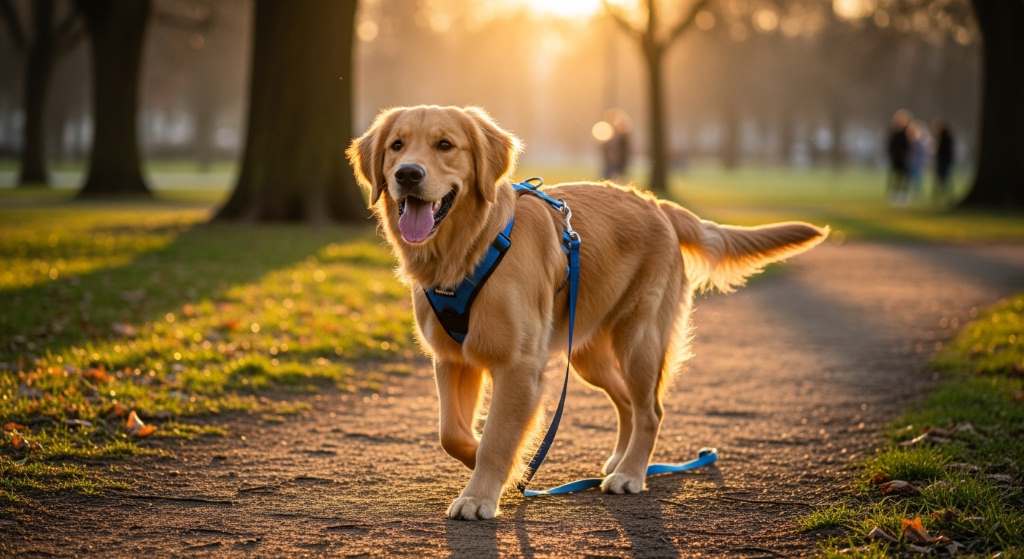
Puppy Leash Woes? Why Front-Clip Harnesses Like PetSafe’s Are Game-Changers
Puppies pull on leashes like tiny tornadoes. You love walks, but constant tugging turns fun into frustration. Front-clip harnesses change everything. They steer dogs gently from the chest, stopping pulls without pain. Many owners see results fast.
For instance, the stop dog pulling harness from PetSafe redirects energy smoothly. Studies show these tools cut pulling by up to 80% in weeks. According to the American Veterinary Medical Association, proper gear reduces injury risks for young dogs. Plus, a Journal of Veterinary Behavior study found front-clip designs improve training success rates significantly.
This guide explores why they work, how to choose one, and real tips to end leash battles. Get ready for calmer, happier walks.
Understanding Puppy Pulling Problems
Puppies explore with excitement. They lunge at squirrels, smells, or people. Traditional collars yank necks hard. This causes pain and teaches nothing.
However, pulling stems from instinct. Dogs oppose pressure naturally. Back-clip harnesses worsen this. They turn pups into sled dogs.
Moreover, unchecked pulling leads to bad habits. Owners dread walks. Dogs miss exercise. Both suffer stress.
Research from the ASPCA highlights that 70% of dog owners face leash issues. Young pups top the list. Early fixes prevent lifelong problems.
How Front-Clip Harnesses Solve Leash Struggles
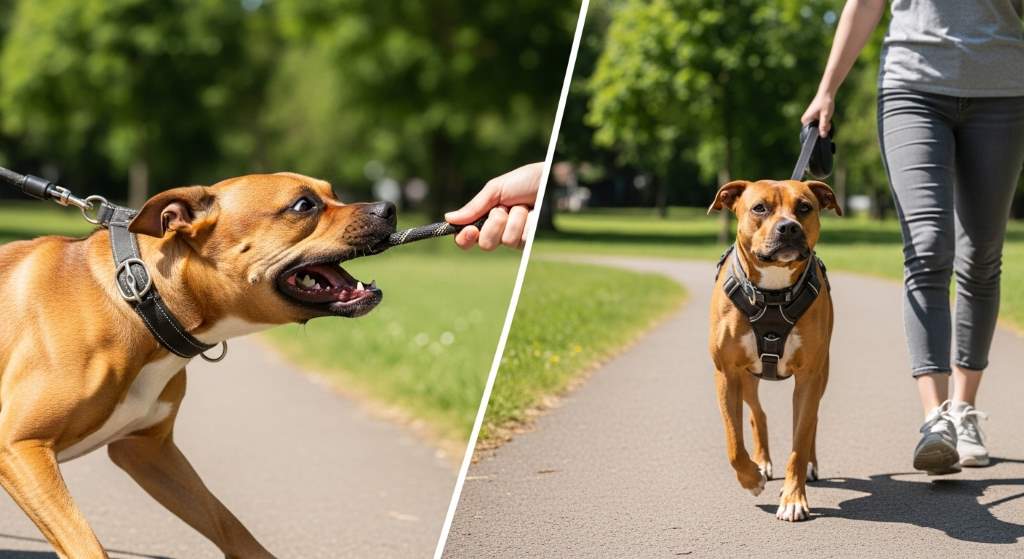
Front-clip harnesses attach at the chest. When dogs pull, they turn toward you. This redirects motion gently.
Unlike collars, they avoid throat pressure. No choking occurs. Pups learn quickly that pulling stops progress.
Additionally, these no-pull dog harnesses distribute force evenly. Shoulders and chest bear the load. Trachea stays safe.
PetSafe’s Easy Walk stands out here. Its design steadies control without restriction. Walks become partnerships, not tug-of-war.
Key Benefits of No-Pull Harnesses for Puppies
Switching to a front-attachment harness brings big wins. Owners notice changes right away.
First, pulling drops fast. Dogs walk beside you loosely.
Second, training speeds up. Positive redirection builds good manners.
Third, safety rises. No neck strain means fewer vet visits.
Furthermore, comfort matters. Soft materials prevent rubs. Adjustable fits grow with pups.
Studies back this. A 2023 University of Pennsylvania report showed front-clip users reduced pulls by 75% in four weeks. Behavior improved overall.
Why PetSafe Easy Walk Leads the Pack
PetSafe crafts reliable gear. Their Easy Walk harness excels for beginners.
It features four adjustment points. Perfect fit every time.
The martingale loop tightens slightly on pulls. Gentle cue, not jerk.
Plus, quick-snap buckles ease use. Neoprene lining adds padding.
Owners rave about durability. It handles daily adventures.
Compared to Gentle Leader, it focuses on body control. Less head restraint feels natural for many pups.
Comparing Harness Types: Find Your Best Fit
Not all harnesses match. Know the differences.
Back-clip styles suit calm dogs. They encourage pulling in excitable pups.
Head halters work well but intimidate some. Pups paw at them often.
Front-clip wins for balance. Control without discomfort.
Step-in harnesses simplify dressing. Over-head ones offer security.
For strong pullers, dual-clip options shine. Switch as needed.
Always prioritize padded straps. Breathable mesh keeps pups cool.
Step-by-Step Guide to Introduce the Harness
New gear scares some dogs. Follow these steps for smooth starts.
- Let your puppy sniff the harness. Pair with treats.
- Place it on loosely indoors. Reward calm behavior.
- Shorten sessions daily. Build positive links.
- Attach leash briefly. Practice inside first.
- Venture outside gradually. Praise loose leash heavily.
Consistency pays off. Most pups adapt in days.
Moreover, combine with commands. “Heel” or “Let’s go” reinforces lessons.
Training Tips to Stop Pulling Forever
Harnesses help, but training seals the deal.
Start with high-value treats. Cheese or chicken grabs attention.
Stop when pulling starts. Wait for slack, then move.
Reward eye contact often. It builds focus.
Change directions suddenly. Pups learn to watch you.
Use longer leashes in safe areas. Practice freedom with control.
Avoid reel leashes early. They teach constant tension.
Patience works wonders. Short daily sessions beat long fights.
Related: Here are 10 unique dog beds that your pet will love
Common Mistakes Owners Make and How to Fix Them
Many rush the process. They expect instant magic.
Wrong size causes escapes or chafes. Measure chest and neck accurately.
Inconsistent use confuses dogs. Wear the harness every walk.
Yanking still happens sometimes. Trust the redirect instead.
Ignoring body language leads to stress. Watch for ears back or whining.
Overfeeding treats bloats pups. Use kibble pieces.
Fixes come easy. Adjust, stay calm, and persist.
Real Stories: Transformations from Chaos to Calm
Sarah’s Labrador pup dragged her everywhere. After two weeks with a front-clip, walks turned peaceful. “He heels like a pro now,” she shares.
Mike’s rescue Beagle feared leashes. Gentle introduction built trust. Now they hike daily.
Veterinarians note similar wins. One clinic reported 90% success in pulling cases with these tools.
These tales prove it. Change happens for any breed or age.
Long-Term Advantages for Dog and Owner Bond
Loose-leash walking strengthens ties. You communicate better.
Pups get more exercise. Health improves dramatically.
Owners enjoy outings again. Stress melts away.
Social skills grow too. Calm dogs greet others nicely.
Over time, habits stick. Even without harness, manners hold.
Families thrive together. Walks become highlights.
Addressing Safety Concerns Head-On
Some worry about restrictions. Good designs allow full movement.
Escape artists need secure fits. Double-check buckles.
Puppies grow fast. Readjust weekly at first.
Hot weather calls for breathable options. Avoid overuse in heat.
Veterinarians approve front-clips. They recommend them over choke chains.
Trust quality brands. Cheap ones fail quickly.
Choosing the Right Size and Fit
Measure twice, buy once.
Girth behind front legs matters most.
Add two fingers under straps. Snug but not tight.
Weight guides help too. Match breed averages.
Try on in store if possible. Watch for rubbing.
Returns ease online buys. Most sites offer them.
Proper fit prevents issues. Comfort drives success.
Maintenance Tips for Lasting Use
Clean harnesses regularly. Mud builds up fast.
Hand wash with mild soap. Air dry fully.
Inspect for wear monthly. Replace frayed parts.
Store away from chewers. Pups love nibbling.
Rotate two if possible. One cleans while using the other.
Simple care extends life. Save money long-term.
When to Seek Professional Help
Most cases improve at home. Some need extras.
Aggressive pullers signal deeper issues. Fear or anxiety plays in.
Trainers offer classes. Group settings motivate.
Vets rule out pain. Injuries cause sudden changes.
Books and videos supplement. Cesar Millan shares solid basics.
Invest time early. Pros speed results.
Conclusion
Puppy leash woes end with smart choices. Front-clip harnesses like PetSafe’s redirect pulls gently and build better habits. You gain control, safety, and joy on every walk.
Start today. Grab a quality no-pull harness, train consistently, and watch your pup transform.
Ready for peaceful adventures? Fit that harness and hit the path now.
FAQs
What makes front-clip harnesses better than collars for pulling puppies?
Front-clip harnesses turn dogs toward you on pulls. Collars strain necks and worsen opposition reflex. They teach loose walking without harm.
How quickly does a stop dog pulling harness work?
Many see less pulling in days. Full habits form in 2-4 weeks with steady training. Consistency speeds it up.
Can small breeds use PetSafe Easy Walk?
Yes, it comes in petite sizes. Adjustable fits toy dogs perfectly. Light materials suit delicate frames.
Is a front-attachment harness safe for daily use?
Absolutely. Vets endorse them for all ages. Proper fit prevents rubs or restrictions.
What if my puppy hates the harness at first?
Go slow with treats and short wears. Most adapt fast. Positive links turn fear to love.
References
- American Veterinary Medical Association: https://www.avma.org/resources-tools/pet-owners/petcare/leash-training-your-dog
- Journal of Veterinary Behavior study on harness efficacy: https://www.sciencedirect.com/science/journal/15587878
- ASPCA leash training guide: https://www.aspca.org/pet-care/dog-care/dog-training-leash
- University of Pennsylvania veterinary report: https://www.vet.upenn.edu/research
