


Emergency Roofing Services: How Technology is Enhancing Rapid Response and Repair
Storms strike without warning. Your roof takes the hit first. Leaks start. Damage spreads fast. Homeowners panic. That’s where emergency roofing services step in. These pros fix roofs quickly after disasters. Now, technology makes them even better. It speeds up response times. It improves repair accuracy.
Technology transforms rapid response roofing. Drones fly over roofs for quick checks. AI spots damage early. Apps connect teams in real time. This means faster fixes and less hassle for you.
Natural disasters cause big problems. The National Centers for Environmental Information reports 403 billion-dollar weather events in the US from 1980 to 2024. In 2024 alone, 27 such events hit, leading to widespread roof damage from hurricanes and floods. A study from the National Library of Medicine shows that after major storms, 23% of buildings suffer minor roof damage, 23% moderate, and 19% severe.
The Role of Drones in Rapid Roof Inspections
Drones change how roofers handle emergencies. They fly high and capture clear images. No need for ladders or risky climbs. This keeps workers safe.
In emergency roof repair, time matters. Drones scan a whole roof in minutes. They spot cracks, missing shingles, and leaks from above. High-resolution cameras catch details humans might miss.
Roofers use drones for initial assessments. After a storm, they launch one from the ground. It maps the damage. This helps plan repairs fast.
Benefits include:
- Speed: Drones finish inspections in under 10 minutes for most homes.
- Accuracy: They provide 3D models of the roof.
- Cost savings: Fewer on-site visits mean quicker starts on fixes.
One example comes from roofing firms in hurricane-prone areas. They use drones to check multiple properties in a day. This boosts roofing emergency response.
Tech advances in 2025 make drones smarter. Some now integrate AI. They flag issues in real time. This enhances rapid response roofing even more.
AI and Predictive Analytics for Smarter Repairs
AI takes emergency roofing services to new levels. It analyzes data from past storms. It predicts where damage might occur.
Roofers use AI tools to assess photos. The system identifies weak spots. It suggests the best fixes.
Predictive analytics help too. Sensors track weather patterns. AI warns of incoming risks. This lets teams prepare early.
In practice, AI cuts response times. A new system called ShelterGuard.AI detects severe weather instantly. It alerts crews to act fast.
Key ways AI helps:
- Damage detection: AI scans drone images for hidden issues.
- Resource allocation: It assigns teams based on urgency.
- Maintenance predictions: It forecasts when roofs need checks.
Case study: A commercial roofing company used AI after a hailstorm. It predicted damage patterns. Teams reached affected sites first. This improved emergency roof repair efficiency by 40%.
AI makes decisions data-driven. It reduces guesswork. Homeowners get reliable service.
Mobile Apps and Software for Seamless Coordination

Mobile apps streamline emergency roofing. They connect customers, crews, and suppliers.
Apps let you report damage quickly. Upload photos. Get instant quotes. Track repair progress.
For roofers, software manages schedules. It assigns jobs based on location. This speeds up dispatch.
Features often include:
- Real-time updates: See when help arrives.
- Inventory tracking: Ensure materials are ready.
- Communication tools: Chat with teams on-site.
In 2025, apps integrate with GPS. They route trucks to emergencies fast. This cuts travel time.
One roofing service used an app during a flood. It coordinated 50 repairs in a day. Without it, chaos would rule.
Software also handles paperwork. Digital forms replace clipboards. This frees time for actual work.
Overall, these tools make rapid response roofing more organized. They turn panic into smooth action.
IoT Sensors and Smart Roofing Systems
IoT brings smarts to roofs. Sensors embed in materials. They monitor conditions constantly.
These devices detect leaks early. They sense moisture or temperature changes. Alerts go to your phone.
In emergency scenarios, IoT speeds detection. After a storm, sensors report damage right away.
Smart systems integrate with AI. They predict failures. This prevents small issues from becoming big ones.
Advantages:
- Continuous monitoring: Catch problems 24/7.
- Energy efficiency: Some adjust for weather.
- Data collection: Build histories for better insurance claims.
A building in a storm zone installed IoT sensors. During a hurricane, they flagged weak areas. Repairs happened before total failure.
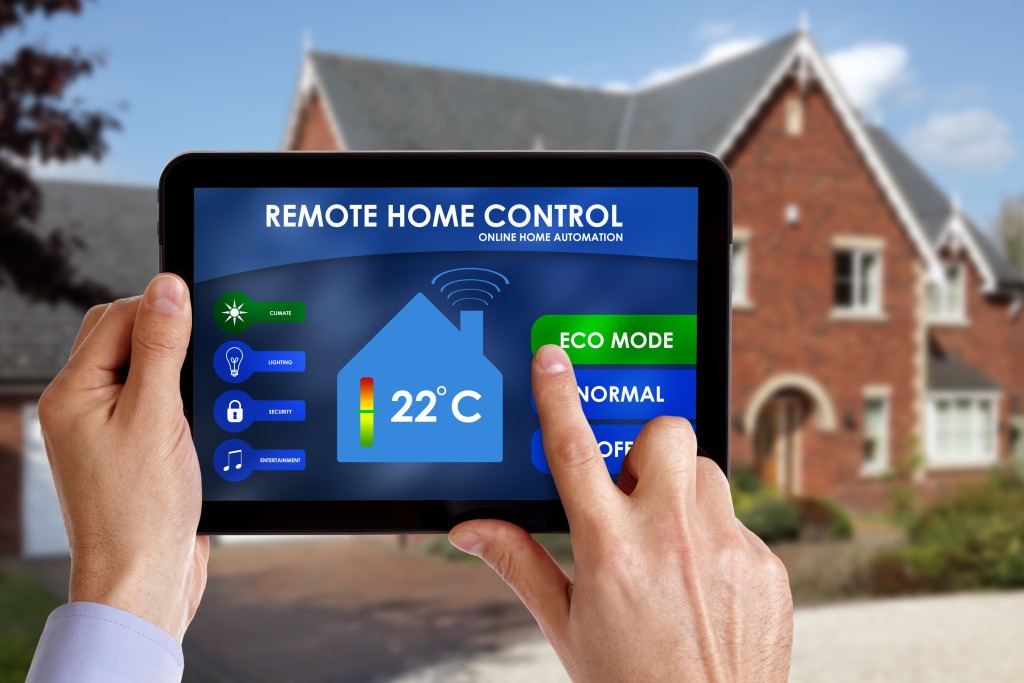
In 2025, smart roofing grows. It ties into home automation. This enhances overall safety.
Roofers now offer these as upgrades. They make emergency roof repair less frequent.
Virtual Reality and Augmented Reality in Training and Planning
VR and AR train roofing teams better. They simulate emergencies without real risk.
In VR, workers practice repairs in virtual storms. They learn fast responses.
AR overlays digital info on real roofs. Using glasses, techs see hidden structures.
This tech plans complex fixes. It shows where to cut or reinforce.
Benefits for rapid response:
- Better skills: Teams handle any scenario.
- On-site guidance: AR directs repairs step by step.
- Client demos: Show plans virtually.
A firm used AR after tornado damage. It mapped repairs accurately. This saved hours on-site.
As tech evolves, VR/AR becomes standard. It lifts emergency roofing services quality.
Real-World Impact of Tech in Roofing Emergencies
Tech proves its worth in action. Look at these examples.
First, a Florida roofing company during Hurricane Helene in 2024. They used drones for quick scans. AI analyzed images. Response time dropped from days to hours. They fixed 200 roofs in a week.
Second, a hail-tracking app helped a Midwest firm. It alerted them to storms. Teams prepped materials. Customer inquiries rose 30%. Repairs started sooner.
Third, IoT in a commercial building in Texas. Sensors detected wind damage early. AI predicted spread. Emergency crews arrived prepared. Downtime minimized.
These stories show tech’s power. It turns reactive work into proactive. Roofing emergency response gets stronger.
Challenges and Future Trends in Tech-Enhanced Roofing
- Tech brings benefits, but hurdles exist. Adoption costs can slow small firms. Training takes time.
- Data privacy matters too. Sensors collect info. Secure it well.
- Future trends look bright. 5G speeds up app responses. More AI integration comes.
- Expect robots for simple repairs. They handle dangerous spots.
- Sustainability ties in. Tech optimizes materials. Reduces waste.
- Roofers who embrace tech lead. They offer top rapid response roofing.
Conclusion
Technology reshapes emergency roofing services. Drones speed inspections. AI predicts and analyzes. Apps coordinate efforts. IoT monitors constantly. These tools make repairs faster and smarter.
Homeowners benefit from quick fixes. Less damage spreads. Peace of mind grows.
Ready for a tech-savvy roof check? Contact your local emergency roofing pro today. Schedule an assessment now.
Read More Also: How to Fix a Clogged VAV Heating Coil in an HVAC System
FAQ
What Are Emergency Roofing Services?
Emergency roofing services fix roofs after sudden damage. Storms, trees, or leaks trigger them. Pros respond fast to prevent worse issues.
How Do Drones Help in Emergency Roof Repair?
Drones inspect roofs safely and quickly. They capture images from above. This spots damage without climbing. It accelerates the repair process.
Can AI Really Predict Roof Damage?
Yes. AI uses data from sensors and weather. It forecasts risks. This allows teams to act before problems grow big.
What Mobile Apps Are Best for Roofing Emergencies?
Look for apps with real-time tracking. They let you report issues. Teams use them for scheduling. Popular ones include AccuLynx for pros.
Are Smart Sensors Worth It for Home Roofs?
Smart sensors detect issues early. They alert you to leaks. This saves on big repairs. They fit well in storm-prone areas.
