


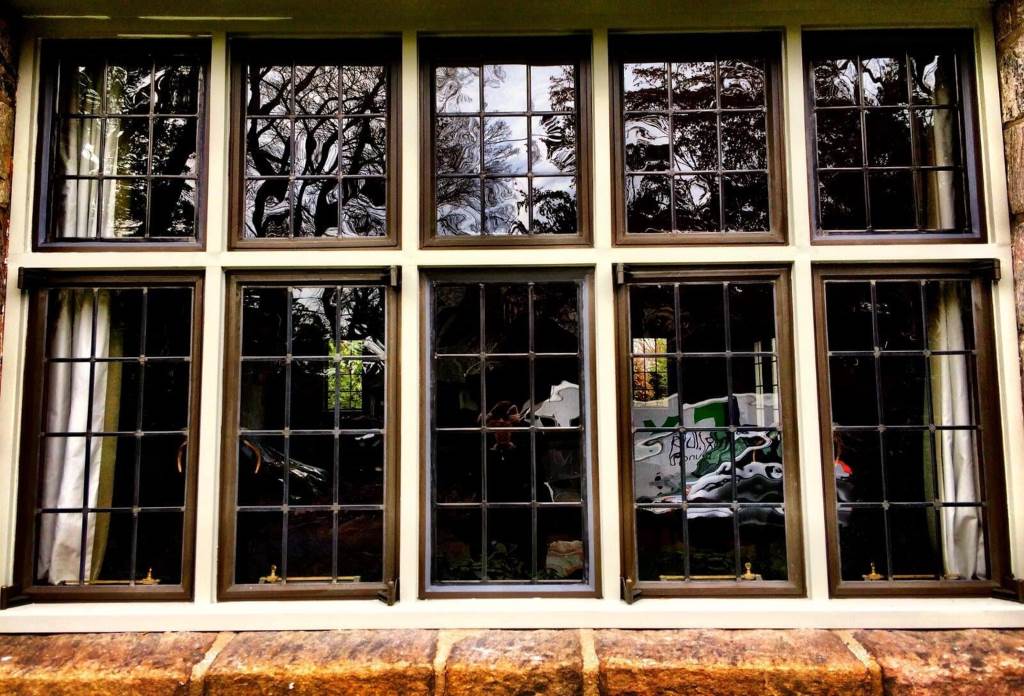
Salvaging and Refinishing Wavy Glass Panes: A Guide to Preserving History
Wavy glass panes catch the eye with their unique, rippling charm. These handcrafted treasures, often found in historic homes, tell stories of craftsmanship from a bygone era. Salvaging and refinishing wavy glass panes breathes new life into these pieces while preserving their historic value. Whether you’re restoring a Victorian home or repurposing architectural salvage, this guide shows you how to handle wavy glass with care. According to the National Park Service, over 80% of historic windows can be restored rather than replaced, saving energy and maintaining authenticity. The U.S. Department of Energy notes that restored windows with wavy glass can improve energy efficiency by up to 20% when paired with storm windows. Ready to dive into this rewarding process? Let’s explore how to salvage and refinish wavy glass panes.
What Are Wavy Glass Panes?
Wavy glass, also called antique glass or restoration glass, features subtle distortions and imperfections. These quirks come from old manufacturing methods like cylinder glass or crown glass techniques. Unlike modern float glass, which is perfectly smooth, wavy glass has a textured, almost liquid-like appearance. This makes it a favorite for historic preservation projects, from Mt. Vernon Estate to Appomattox Court House. Its charm lies in its irregularities, adding character to window panes, French doors, and Dutch doors.
Why Salvage Wavy Glass Panes?
Salvaging wavy glass preserves history and adds value to your home. Here’s why it matters:
- Historic Authenticity: Wavy glass reflects period-correct craftsmanship, essential for properties on the Hawai‘i State Register of Historic Places or other historic registries.
- Environmental Impact: Reusing salvaged glass reduces embodied carbon compared to producing new double-pane insulated glass.
- Unique Aesthetic: The imperfections in hand-blown or mouth-blown glass create a timeless, artisanal look unmatched by modern glass.
- Cost-Effective: Restoring existing panes avoids the need for expensive replacements, especially for custom sizes in casement windows or window sashes.
Where to Find Wavy Glass Panes
Finding quality wavy glass requires some detective work. Start with these sources:
- Salvage Yards: Places like Community Forklift specialize in architectural salvage, offering salvaged windows and antique reclaimed glass.
- Historic Properties: Check sites like Kennecott Mines National Historic Landmark or Roosevelt Campobello International Park for surplus materials.
- Local Window Makers: Some artisans, like those at Pioneer Glass or Schott Glass, craft period-correct glass using traditional methods.
- Online Marketplaces: Look for salvaged glass from reputable sellers, ensuring it matches your project’s needs.
Always inspect glass for cracks or severe damage before purchasing. A glass cutter and cut-resistant gloves are must-haves for safe handling.

Tools and Materials for Salvaging and Refinishing
Before starting, gather these essentials:
- Glass Cutting Tools: For trimming or reshaping panes.
- Cut-Resistant Gloves: Protect your hands during glass removal.
- Linseed Oil Putty: Ideal for glazing putty in window restoration.
- Glass Cleaning Tools: Use soft cloths and non-abrasive cleaners for crystal-like clarity.
- UV Window Film: Optional for added energy efficiency.
- Steam De-Glazing Tools: For removing old putty without damaging the glass.
- Safety Gear: Goggles and a dust mask for protection.
Step-by-Step Guide to Salvaging Wavy Glass Panes
Follow these steps to salvage wavy glass safely and effectively:
- Assess the Window: Inspect the window sash or frame. Look for loose putty, cracked panes, or structural issues. If the frame is sound, restoration is feasible.
- Remove the Glass: Use steam de-glazing or a putty knife to soften and remove old linseed oil putty. Gently pry the glass from the frame, wearing cut-resistant gloves.
- Clean the Glass: Wash with a mild soap solution. Avoid harsh chemicals that could damage antique glass. Dry with a soft cloth for a streak-free finish.
- Inspect for Damage: Check for chips or cracks. Minor imperfections add character, but severe damage may require replacement with Bendheim Restoration Glass or Restover Plus.
- Store Safely: Wrap salvaged glass in bubble wrap and store upright to prevent stress fractures.
Refinishing Wavy Glass Panes
Refinishing enhances the glass’s beauty and functionality. Here’s how:
- Repair Minor Damage: Use a glass scoring tool to smooth small chips. For larger repairs, consult a professional at Hollander’s Restoration Glass.
- Apply Glazing Putty: Secure the glass in the frame with linseed oil putty. Smooth it with a putty knife for a clean seal.
- Polish for Clarity: Buff the glass with a microfiber cloth to restore its shine. Avoid abrasive pads that could scratch the surface.
- Add Energy Efficiency: Apply UV window film or install storm windows to boost insulation without sacrificing the glass’s historic look.
- Reinstall the Pane: Place the refinished glass back into the window sash. Ensure a snug fit to prevent rattles or leaks.
Tips for Successful Restoration
- Work slowly to avoid breaking fragile glass.
- Use period-correct materials like linseed oil putty for authenticity.
- Consult experts at the Historic Preservation Training Center for complex projects.
- Pair wavy glass with double-glazed windows for modern efficiency while keeping the antique style.
- Document your process for historic registries, especially for properties in Hawai‘i County or Maui County Historic Properties.
Challenges and Solutions
Restoring wavy glass comes with challenges. Here’s how to tackle them:
- Fragile Glass: Handle with care and use cut-resistant gloves. If a pane breaks, source replacements from salvage yards.
- Old Putty Removal: Steam de-glazing softens stubborn putty. Avoid chiseling, which can crack the glass.
- Matching Antique Glass: If replacements are needed, brands like Artista Glass or machined drawn glass mimic the wavy look.
- Energy Efficiency: Add storm windows or UV film to improve insulation without altering the glass.
Restoring Wavy Glass at a Historic Site
At the Star-Spangled Banner House, restorers salvaged wavy glass from original 19th-century windows. Using steam de-glazing and linseed oil putty, they refinished the panes to maintain authenticity. Discover the ways windows can elevate the design of your bedroom. A recent project, conducted under the guidance of the National Park Service, focused on preserving the historic character of a home while enhancing its energy efficiency through the installation of UV window film. This approach successfully balances aesthetic appeal with practical benefits. This approach saved 30% more energy compared to replacing the windows with modern double-pane insulated glass.
Maintaining Restored Wavy Glass
Keep your wavy glass sparkling with these tips:
- Clean regularly with mild soap and water.
- Inspect putty annually for cracks or wear.
- Avoid harsh weather exposure by adding storm windows.
- Check for air leaks around the window sash to maintain efficiency.
Why Choose Wavy Glass Over Modern Alternatives?
Wavy glass offers unmatched character compared to tempered glass or float glass. Its imperfections, created by techniques like the Fourcault process or molten tin, add a story to every pane. Modern glass lacks the soul of hand-blown or mouth-blown glass. Plus, salvaging reduces environmental impact, aligning with sustainable practices promoted by the Historic Preservation Division.
Conclusion
Salvaging and refinishing wavy glass panes is a rewarding way to preserve history. From sourcing at salvage yards to refinishing with linseed oil putty, each step honors the craftsmanship of the past. Whether you’re restoring a casement window or French doors, wavy glass adds charm and authenticity. Start your project today. Visit a local salvage yard or consult a window maker to bring your historic windows back to life.
FAQs
What makes wavy glass different from modern glass?
Wavy glass has distortions from hand-blown or cylinder glass methods. Modern float glass is smooth and uniform, lacking the antique charm.
Can I salvage wavy glass myself?
Yes, with proper tools like glass cutters and cut-resistant gloves. Work carefully and follow safety guidelines to avoid damage.
How do I clean wavy glass without scratching it?
Use mild soap, water, and a soft cloth. Avoid abrasive cleaners or pads that could harm the glass’s surface.
Where can I find replacement wavy glass?
Check salvage yards, Community Forklift, or specialty suppliers like Pioneer Glass for period-correct options.
Does wavy glass improve energy efficiency?
Pair it with storm windows or UV film to boost insulation while keeping its historic look.
References
- National Park Service: Historic Window Restoration Guidelines – https://www.nps.gov/tps/how-to-preserve/briefs/9-wooden-windows.htm
- U.S. Department of Energy: Energy-Efficient Windows – https://www.energy.gov/energysaver/energy-efficient-windows
- Community Forklift: Architectural Salvage Resources – https://communityforklift.org/
- Historic Preservation Training Center: Window Restoration Techniques – https://www.nps.gov/orgs/1739/index.htm
