


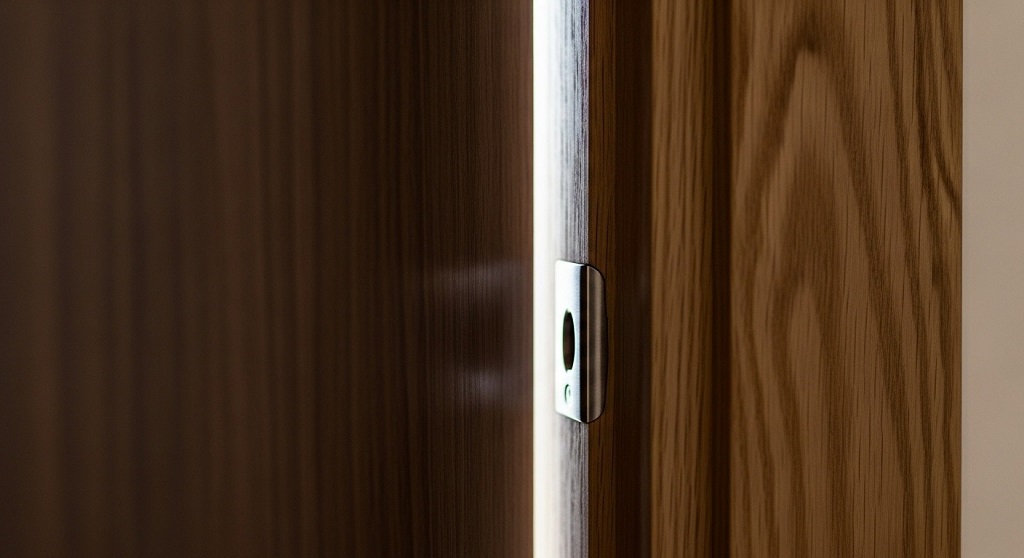
Gap Between Door and Frame When Closed: Complete Guide to Causes, Problems, and Fixes
A tiny gap between your door and frame might seem harmless. Yet every winter, millions of homeowners feel cold air sneaking in while their heating bills climb higher. In fact, the U.S. Department of Energy reports that air leaks around doors and windows account for 10–25% of a typical home’s heating and cooling costs. Moreover, a 2023 study from the Building Research Establishment showed that even a 3 mm gap around an exterior door can let in as much air as leaving a brick-sized hole in the wall. This common issue affects comfort, security, noise levels, and energy efficiency. Fortunately, most gaps are easy to diagnose and repair with the right knowledge.
Why Does a Gap Appear Between Door and Frame When Closed?
Doors rarely stay perfect forever. Over time, several factors create unwanted space between the door edge and the frame (also called the jamb or stop).
Settling foundations shift the entire house structure. As a result, door frames move slightly out of square. Humidity changes make wood swell in summer and shrink in winter. Consequently, seasonal gaps appear and disappear. Poor installation from the beginning leaves uneven reveals. Worn hinges sag under the door’s weight. Additionally, damaged weatherstripping fails to fill the space it once sealed.
Common Types of Door Gaps and Their Locations
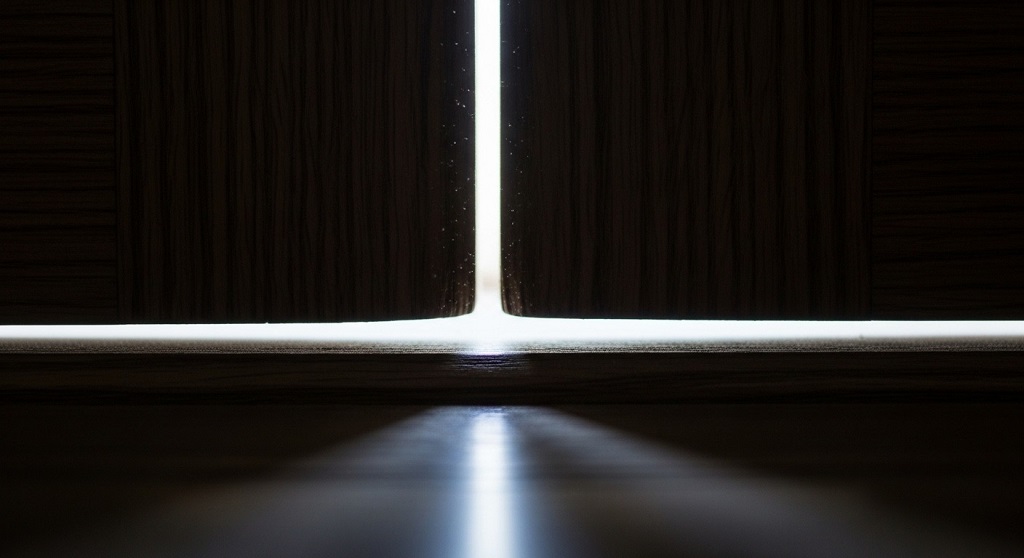
Not all gaps behave the same way. Understanding the location helps you choose the correct solution.
- Top gap: Usually caused by hinge wear or frame settling
- Bottom gap: Often from worn door sweeps or threshold issues
- Latch-side gap: Indicates strike plate misalignment or warped door
- Hinge-side gap: Points to loose or damaged hinges
- Uneven gaps: Suggest the door itself has warped or twisted
Each type requires a specific approach for a lasting repair.
How Gaps Affect Your Home (Beyond Just Feeling Drafty)
Many people tolerate small openings until problems compound.
Energy loss stands out as the biggest concern. The EPA estimates that sealing air leaks can save homeowners up to 20% on annual energy costs. Security suffers next—burglars easily slip a tool through a 1/8-inch gap to unlock simple locks. Sound transmission increases dramatically; exterior noise enters and interior conversations escape. Furthermore, pests find perfect entry points. Dust, pollen, and moisture infiltrate more easily, affecting indoor air quality.
Step-by-Step Diagnosis: Find the Exact Cause
Accurate diagnosis prevents wasted effort. Follow these simple checks.
- Close the door and observe daylight around all four sides.
- Slide a piece of paper between the door and weatherstrip. If it moves easily, the seal fails.
- Use a straightedge or level against the door edge to check for warping.
- Open and close the door while watching the latch—does it bind at the top or bottom?
- Inspect hinges for loose screws or elongated holes.
- Measure the gap with a ruler at multiple points to see if it varies.
These quick tests reveal whether the problem lies with the door, frame, hinges, or seals.
Quick Temporary Fixes for Immediate Relief
Sometimes you need fast results before a permanent repair.
- Apply self-adhesive foam weatherstripping along the stop
- Install a door sweep or replace the existing one
- Add magnetic weatherstripping for steel doors
- Use draft snakes at the bottom for interior doors
- Hang heavy curtains to block airflow temporarily
These solutions work instantly and cost little, yet they rarely last more than one season.
Permanent Solutions for Different Gap Causes
Long-term fixes depend on accurate diagnosis.
Fixing Hinge-Related Sagging and Gaps
Sagging doors create larger gaps at the top on the latch side.
- Tighten all hinge screws with a screwdriver.
- Replace stripped screws with longer ones that reach the stud.
- Install hinge shims or use a hinge adjustment kit.
- For severe sag, move the top hinge slightly outward or the bottom hinge inward.
Many homeowners solve top and bottom gaps completely with these adjustments.
Correcting Warped or Twisted Doors
Warping happens most often with solid wood doors exposed to moisture.
- Remove the door and lay it flat for several days with weight on the high side
- Sand high spots carefully if the warp is minor
- Install a turnbuckle brace kit across the door for severe cases
- Replace severely warped doors with pre-hung fiberglass or steel units
Prevention matters too—always paint or seal all six sides of wooden doors.
Adjusting or Replacing Weatherstripping
Quality weatherstripping eliminates most small gaps.
- Choose compression-style (foam-filled) for uneven surfaces
- Select magnetic strips for steel doors and tight seals
- Use kerf-style inserts for replacement doors with existing slots
- Install interlocking threshold seals for bottom gaps
Proper installation ensures the door closes firmly without excessive force.
Squaring the Frame When the House Has Settled
Structural movement requires frame adjustments.
Professional carpenters often re-plumb the hinge-side jamb. They remove trim, shim the frame square, and reinstall everything. Alternatively, adjustable door frame systems allow fine-tuning after installation. In extreme cases, foundation specialists address the root cause first.
Tools and Materials You Need for Most Repairs
Gather these common items before starting:
- Cordless drill/driver
- Screwdrivers (Phillips and flathead)
- Wood shims and cardboard shims
- Quality weatherstripping kit
- Door sweep and threshold seal
- Wood filler and sandpaper
- Level and measuring tape
Having everything ready makes the job faster and less frustrating.
Professional Help: When to Call an Expert
Some situations exceed DIY skills.
- Gaps larger than 1/4 inch all around suggest major frame movement
- Visible foundation cracks accompany door problems
- Historic homes require preservation-friendly techniques
- Multiple doors in the house show similar issues
A qualified carpenter or door installation specialist resolves these complex cases efficiently.
Preventive Maintenance to Avoid Future Gaps
Simple habits extend the life of your doors.
Inspect weatherstripping twice yearly and replace worn pieces immediately. Tighten hinge screws every spring and fall. Keep gutters clean to prevent water damage near entryways. Moreover, control indoor humidity between 30–50% year-round. Finally, avoid slamming doors, which accelerates wear.
Real-Life Examples That Show the Difference
Sarah from Minnesota noticed a 1/8-inch gap at the top of her front door. Cold air poured in all winter. After installing new magnetic weatherstripping and adjusting the strike plate, her heating bill dropped $47 the next month.
Mark in Florida fought constant dust and bugs through his patio door gap. A new interlocking threshold and brush sweep eliminated the problem completely. His allergy symptoms improved noticeably within weeks.
These stories prove that small fixes deliver big results.
Energy Savings Calculator: What Fixing Your Gap Could Save
The U.S. Department of Energy provides a simple rule: a 1/8-inch gap around a standard door equals roughly 30 square inches of open hole. That size opening wastes approximately $100–$250 per year in most climates. Sealing it properly pays for itself quickly through lower utility costs.
Conclusion
A gap between door and frame when closed signals more than minor inconvenience. It wastes energy, compromises security, admits pests, and reduces comfort. However, most causes—settling, worn hinges, failed weatherstripping, or warping—respond well to targeted repairs. Start with accurate diagnosis, choose the right solution, and enjoy a tighter, quieter, more efficient home.
Take action today. Grab a flashlight and paper, test your doors right now, and seal those gaps before the next season arrives. Your wallet, comfort, and peace of mind will thank you.
FAQs
Why is there a gap between my door and frame on the hinge side?
Hinge-side gaps usually appear when screws loosen or hinge pins wear. The door drops slightly, opening space on the hinge side while sometimes binding on the latch side. Tighten or replace hinges first.
Can a gap between door and frame let in bugs and rodents?
Yes, absolutely. Mice squeeze through openings as small as 1/4 inch, while many insects need far less space. Proper weatherstripping and door sweeps block these entry points effectively.
Should the gap between door and frame be perfectly even?
Ideally, yes. A consistent 1/8-inch reveal around all sides looks professional and functions best. Uneven gaps indicate warping, settling, or installation issues that need correction.
How do I fix a gap at the bottom of the door?
Install or replace the door sweep. Choose an adjustable or under-door seal for larger gaps. For exterior doors, combine it with a new threshold if the old one has worn low spots.
Is a small gap between interior door and frame normal?
Interior doors tolerate slightly larger gaps (up to 1/4 inch at the bottom) for airflow and carpet clearance. However, visible light gaps at the top or sides still suggest alignment problems worth fixing.
References
- U.S. Department of Energy – Energy Saver: Air Sealing Your Home https://www.energy.gov/energysaver/air-sealing-your-home
- Building Research Establishment (BRE) – Air Tightness Testing Factsheet https://bregroup.com
- EPA Energy Star – Seal and Insulate https://www.energystar.gov/campaign/seal_insulate
Related Topics: How to Fix a Clogged VAV Heating Coil in an HVAC System
Related Topics: Tampa Bay’s Clog Crunch: Bite-Sized Tips for Drain Cleaning Glory
