



Garage Door Crooked: Causes, Fixes, and When to Call a Pro
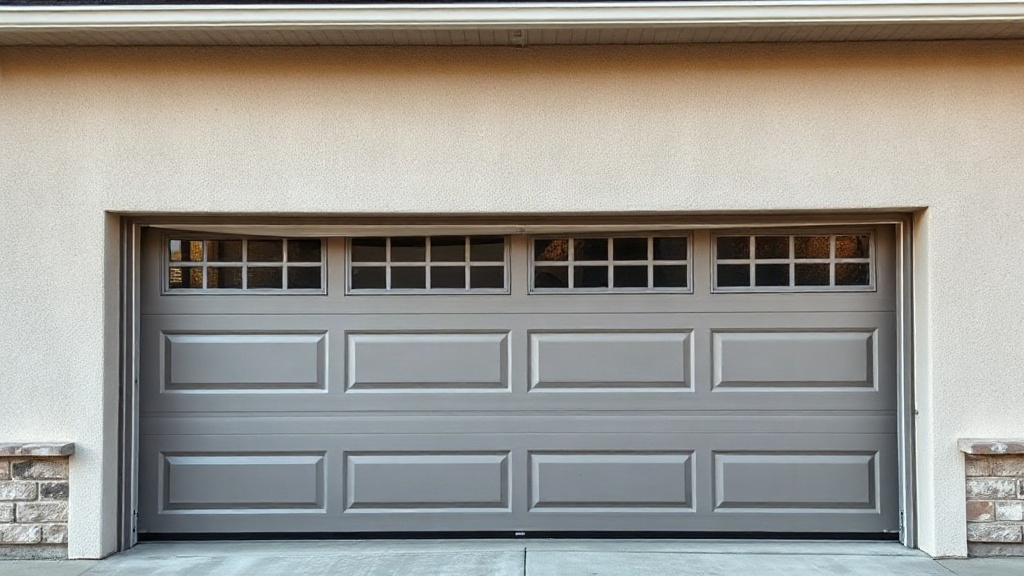
A garage door crooked enough to leave a visible gap is more than an eyesore. You notice it on the way out: one corner hangs low, the panels no longer line up, and the door scrapes or jerks before it settles. Should you adjust it yourself, or is something about to fail?
Quick answer: A garage door crooked usually traces to one of four things: a broken or stretched lift cable, worn rollers, unbalanced springs, or a track that has bent out of alignment. Stop using the door, inspect the hardware at eye level, and tighten or replace only the simple parts yourself. Springs and cables under tension belong to a trained technician.
This guide explains what makes a door hang unevenly, why the problem gets worse if you ignore it, and which repairs you can safely handle. You will also see the mistakes that turn a small misalignment into an expensive one.
What is a crooked garage door?
A crooked garage door sits out of level or out of square as it moves. One side travels higher than the other, or the panels tilt slightly instead of staying flush with the frame. In mild cases, the gap is barely visible. In severe cases, a corner sags several inches, and the door jams against the floor.
The symptom is easy to spot. Stand inside the garage and watch the bottom seal as the door closes. A level door meets the floor evenly across its width. A crooked door touches down on one side first while the other side still has daylight underneath.
Several distinct problems produce that look, and they call for different responses:
- A snapped or slipped lift cable on one side. That corner drops and the door hangs like a broken swing.
- A failing torsion or extension spring. The door feels heavy, opens partway, and stalls at an angle.
- Bent or loose vertical tracks. Rollers bind on one side and push the door off its path.
- Worn rollers or loose hinges. The door wobbles sideways in the tracks as it travels.
- Uneven tension between the two sides. The door drifts and binds instead of running straight.
Each case leaves different clues. A door that hangs crooked while closed points to a cable or track problem. A door that looks level at rest but tilts during travel usually has roller, hinge, or spring trouble. Matching the clue to the cause saves you from guessing.
If the door sits crooked while fully closed, the cable or track is the likeliest culprit. If it only tilts mid-travel, look at rollers, hinges, and spring balance instead.
Some misalignment comes from the building rather than the door itself. A settling foundation or a warped header can pull the frame slightly out of square, which throws off a door that was fine last year. A technician can measure the opening and confirm whether the door or the structure moved.
Takeaway: A crooked door is a symptom, not a diagnosis. Check whether the tilt appears at rest or only in motion, because that distinction narrows the cause.
Why garage door crooked matters
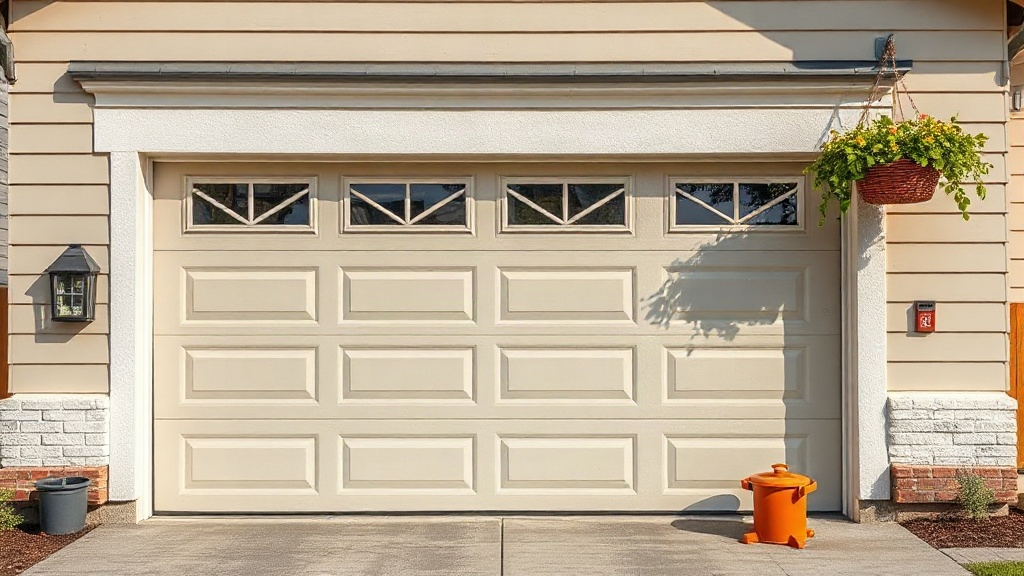
A door that hangs slightly crooked looks harmless, so many homeowners wait. That wait tends to cost more than an early repair would. A crooked door places uneven stress on every part of the system: springs, cables, rollers, and the opener’s motor all work harder than they were designed to.
The safety angle deserves attention. A garage door is the largest moving object in most homes, and it weighs well over a hundred pounds on a typical two-car door. When the door is out of balance, that weight is no longer distributed evenly. A cable can snap under the added load, and a door that drops suddenly can injure anyone standing underneath. Children and pets are especially at risk because they move through the opening quickly.
The cost argument is just as practical. A worn roller is a cheap part. Once it lets the door bind, it can bend a track section, strain the opener’s gears, or strip the lift mechanism. A repair that starts as a minor adjustment can become a full hardware replacement. Fixing the early symptom protects the parts you already own.
Small misalignments also damage the door itself. Panels that rub against a bent track scuff and warp over time. A warped panel may not seal properly, letting rain, leaves, and cold air into the garage. Over a season, that wear adds up to visible deterioration.
A crooked door also signals a security gap. A door that does not close flush leaves space at the bottom or side. That gap invites pests and makes the garage easier to pry open. A level door with a tight seal is both safer and more secure.
The noise is another signal worth heeding. If the door grinds, squeals, or clunks when it moves, friction is building somewhere in the system. Ignoring it lets the friction wear down the moving parts faster.
An out-of-balance door can drop without warning. Keep clear of the opening, and keep children away until the door is repaired.
Takeaway: A crooked door is a small problem with a short window for cheap repair. Fix the cause early and you protect both your budget and your safety.
Best practices
You can handle a surprising amount of this work yourself. The key is knowing which failures are safe to touch and which belong to a professional. Start with a careful inspection, then move to adjustments only where the risk is low.
Start with a visual inspection
Turn the door off at the opener and look before you touch anything. Compare the vertical tracks on both sides for bends or dents. Check the cables for fraying near the drums, and look for gaps where a cable has slipped its drum. Scan the hinges and rollers for cracks or missing screws. Snap a photo of anything that looks off so you can compare it later.
Learn a few safe fixes
Loose bolts on hinges and rollers are the most common simple culprit. Tighten them with a wrench and recheck the door’s movement. A roller that rattles in its bracket often needs only a turn or two. Cleaning and lubricating the moving parts cuts friction and can smooth out a small tilt.
Track alignment is the next step for a mechanically inclined homeowner. A track bent slightly inward can be eased back with a rubber mallet and a block of wood, never with a metal tool that could dent it. Work slowly, and check the door’s travel after each small adjustment.
Balance matters too. Disconnect the opener and lift the door halfway by hand. A balanced door should stay in place. One that sinks or floats upward is telling you the springs need adjustment.
Both parts store enough tension to cause serious injury. A technician has the winding bars and training to adjust springs safely, and the call is generally far cheaper than a hospital visit.
Test the safety features after any repair
Once the door moves freely, run the tests again. Place a small object under the door and confirm it reverses on contact. Then check the balance: raise the door halfway and see whether it holds. Both tests should pass before you use the door normally.
Open and close the door while watching the gap at the floor. Catching a new tilt in its first week usually means a small adjustment instead of a hardware replacement.
Takeaway: Inspect first, tighten what is loose, and let a trained technician manage springs and cables. Two minutes of checking each month keeps small tilts from growing.
Common mistakes to avoid
Most failures in this repair start with good intentions. Homeowners reach for a wrench, force a part back into place, and turn a small problem into a large one. Avoiding a few common errors protects both your door and your safety.
Forcing the door to move. A door that resists is telling you something is wrong. Pushing it past a jam bends tracks and can snap a cable. If the door will not open smoothly by hand, stop and find the cause.
Ignoring the opener’s role. The motor is not designed to lift an unbalanced door. If the door is heavy or tilts, the opener strains and can fail. Fix the balance issue first, then test the opener.
Using the wrong tools. A metal hammer on a track leaves dents that worsen over time. Pliers on a spring adjuster slip and can snap back. Use the right tool for each part, and skip the job entirely when you do not own it.
Lubricating everything. Grease belongs on rollers and hinges, not on the tracks or the springs. Heavy grease collects grit, and the grit wears parts faster. A light spray on the moving pieces is all you need.
Skipping the recheck. A single adjustment often throws off another part. Tighten a hinge and the roller may need attention too. Retest the door after every change instead of assuming the job is done.
Replacing one part at a time without a diagnosis. A new roller will not fix a bent track. A new cable will not fix unbalanced springs. Find the root cause first, then replace only what is actually worn.
Ignoring the gap at the floor. A crooked door that closes on one side first leaves a gap even after the tilt is fixed. The bottom seal and the floor level both matter, so check the seal after any adjustment.
If you cannot identify the cause after a careful inspection, call a technician. A diagnosis and adjustment often costs less than the parts you would replace by trial and error.
Takeaway: The most expensive repair is the one you rush. Slow down, diagnose the cause, and accept that a few jobs are not do-it-yourself projects.
FAQ
How much does it cost to fix a crooked garage door?
Most simple fixes cost little, because the parts are inexpensive. A technician visit for track alignment or roller replacement typically includes a service call charge plus parts. Spring or cable work tends to cost more because of the labor and the safety risk. Get a written estimate before anyone starts.
Can I keep using a crooked garage door until I save up for a repair?
No. Use it only when you must, and keep clear of the opening. A crooked door strains cables and springs, and a sudden failure can bring the door down. Stop regular use until the cause is fixed.
What causes a door to look crooked at the bottom but straight at the top?
That pattern usually points to a bent vertical track or a worn roller near the floor. The top panels ride normally while the bottom drifts. A technician can confirm whether the track needs straightening or replacing.
Is a crooked door a sign the springs are failing?
Sometimes. A door that tilts during travel rather than at rest often has uneven spring tension. So do doors that feel heavy and stop halfway. Spring diagnosis is best left to someone with the right tools.
Conclusion
A crooked garage door is almost always a fixable fault with a clear cause. The pattern of the tilt matters most: a door that hangs crooked while closed points to a cable or track, while one that tilts mid-travel points to rollers, hinges, or spring balance. Catch the problem early and the repair stays small.
Take one concrete step today. Switch off the opener, stand clear, and inspect the cables, tracks, rollers, and hinges. Tighten what is loose and note anything frayed or bent. If the cause is unclear or involves springs or cables, call a garage door technician for a diagnosis before the damage spreads.
