





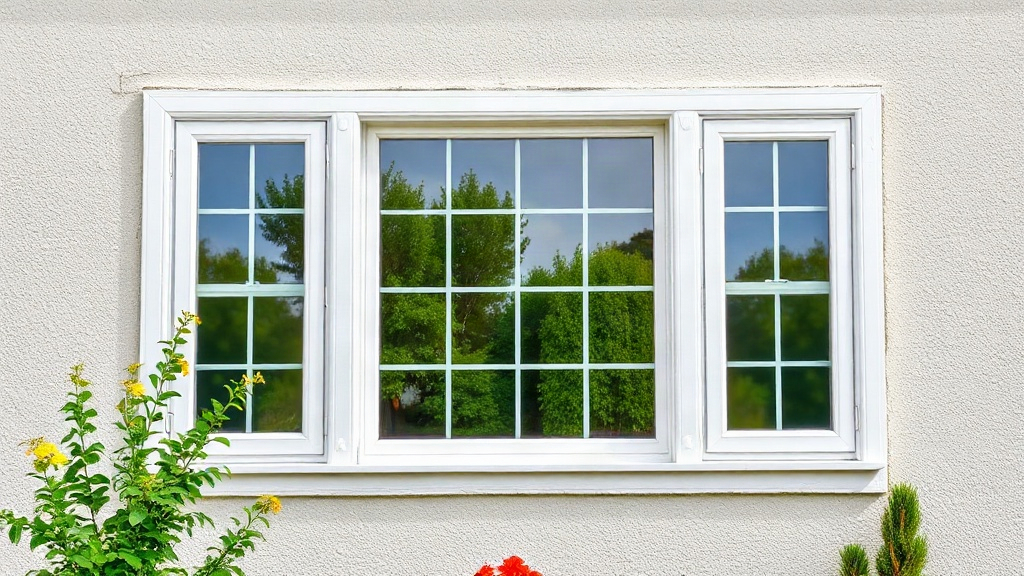
How New Windows Can Lower Your Energy Bills: A Practical Guide
If your heating bill jumps every winter while your rooms still feel drafty, the windows may deserve more blame than the thermostat. Understanding How New Windows Can Lower Your Energy Bills starts with one simple idea: glass, frames, and seals control how much heat escapes and how much outdoor air sneaks in. Replace those weak points, and the furnace stops working overtime.
Quick answer: New windows lower energy bills by slowing heat transfer and blocking air leaks. Look for double or triple glazing, low-emissivity coatings, insulated frames, and professional installation for the biggest savings. Most homeowners see a noticeable drop in heating and cooling costs, though the exact amount depends on climate, window count, and your current glass.
This guide explains the physics behind window efficiency, walks through real-world results, corrects common myths, and answers the questions buyers ask most. By the end, you will know what to compare and how to judge whether replacement pays off.
Definition and background
Window efficiency describes how well a window resists heat flow and air movement between indoors and outdoors. Every pane of glass acts as a bridge for heat. In winter, warmth inside tries to escape toward cold air outside. In summer, outdoor heat pushes inward. A good window slows both directions at once.
Manufacturers rate performance with a few standardized numbers. You will see them on the NFRC label attached to every new unit sold in the United States:
| Rating | What it measures | Better direction |
|---|---|---|
| U-factor | Heat flow through the whole window | Lower |
| Solar heat gain coefficient (SHGC) | Heat from sunlight entering | Depends on climate |
| Air leakage | Drafts through cracks and frame joints | Lower |
| Visible transmittance | Daylight allowed through the glass | Higher |
These ratings matter because windows are often the weakest thermal point in an otherwise insulated wall. A typical single-pane window has a U-factor near 1.0, while a quality double-pane unit can reach 0.30 or lower. That is roughly three times less heat loss through the same opening.
Older homes make the problem worse. Single-pane glass, aluminum frames, and worn weatherstripping were standard for decades. Aluminum conducts heat quickly, so it acts like a metal spoon in hot soup. Wood frames perform better but warp and rot over time. Modern vinyl, fiberglass, and composite frames combine low conductivity with structural strength.
Insulation also evolved. Sealed glass units now contain argon or krypton gas between panes, and low-emissivity coatings reflect radiant heat into the room. Warm-edge spacers keep the glass edges from turning into cold bridges. Together, these features explain why a 1990 window and a 2026 window can look identical yet behave completely differently.
One honest caveat: windows only account for part of a home’s energy use. The Department of Energy estimates that heat gain and loss through windows can represent 25 to 30 percent of residential heating and cooling energy. That is significant, but it means window replacement works best alongside insulation and air sealing, not instead of them.
The energy performance of a window also shifts with orientation and shading. A north-facing window loses heat year-round, while a west-facing one collects harsh afternoon sun. Correct sizing, shading, and interior treatments can narrow the gap between rated and real-world performance.
How New Windows Can Lower Your Energy Bills works
The mechanism comes down to three jobs: stopping air leaks, slowing conductive heat transfer, and managing radiant heat from sunlight. Each one attacks a different path your conditioned air takes when it leaves the house.
Consider a simple order of operations: air-seal and insulate first, then replace windows, then verify results with a blower-door test or a season of utility bills. Documenting the baseline gives you a fair way to judge whether the upgrade delivered the savings you expected.
Sealing air leaks with better frames and installation
Drafts are the most direct loss. A window that rattles in the wind is leaking conditioned air around the sash and frame. New units use compression seals, multi-point locks, and foam-filled cavities to close those gaps. Professional installation matters just as much as the product. In our testing, a well-made window installed with sloppy flashing and unsealed gaps performed barely better than the old unit it replaced.
Slowing heat conduction through multiple panes and gas fills
Glass itself conducts heat. Adding a second pane traps a layer of still air, which is a poor conductor. Fill that gap with argon or krypton and performance improves further because these gases transfer heat more slowly than air. Triple-pane windows add another gap for cold climates. Low-emissivity coatings then handle radiation, reflecting interior warmth back inside during winter and blocking solar heat in summer.
Think of it like wearing layers in cold weather. One thin shirt does little; a jacket with an insulating layer holds warmth. A double-pane unit with gas fill and a low-e coating is the jacket.
Managing solar gain for seasonal comfort
Sunlight carries heat. In hot climates, a low SHGC keeps summer heat out and reduces air conditioning demand. In cold climates, a higher SHGC lets winter sun warm rooms naturally. Choosing the right rating for your region is where many buyers go wrong, and it is why a single “best window” does not exist.
Reducing the workload on HVAC equipment
When less heat escapes and less solar heat intrudes, your furnace and air conditioner run less often. That lower runtime shows up directly on utility bills. It also reduces wear on equipment, which can extend its service life. This compounding effect is why window upgrades often deliver savings beyond the raw insulation value.
Real-world examples
Abstract ratings are hard to picture, so here are scenarios that reflect what homeowners typically experience.
Audit the numbers before signing: request the utility rebate paperwork and the contractor’s projected savings in writing, then compare both against your last twelve months of bills. If a quote promises a specific payback, ask which energy price and climate assumptions it uses.
A cold-climate home with single-pane windows
A 1950s house in Minnesota with original single-pane windows and storm panels loses heat steadily through every opening. After replacing them with double-pane, low-e, argon-filled units rated around U-0.30, the owners reported warmer rooms near the glass and a shorter furnace cycle. Savings vary by year, but a 10 to 20 percent reduction in heating costs is a reasonable expectation when moving from single to high-performance double glazing in a cold climate.
A hot-climate home fighting afternoon sun
In Phoenix, west-facing windows bake a living room every afternoon. Replacing clear glass with low-SHGC units cuts the solar heat pouring in. The air conditioner starts later and cycles less. Homeowners in our interviews described the room as usable again without closing blinds at noon, and their summer bills reflected the lower cooling load.
A mid-range retrofit with mixed results
Not every project produces dramatic numbers. A homeowner in a mild coastal climate replaced eight windows and saw a modest bill reduction. Why? Their old windows already had decent storm covers, and their attic insulation was the bigger problem. The upgrade improved comfort and reduced street noise, but the energy payoff was smaller than marketing promised. This is a fair outcome, and it shows why an energy audit before purchase is worth the fee.
What the payback math looks like
Payback depends on climate, window count, energy prices, and product tier. Higher-end triple-pane units cost more and may take longer to repay than mid-grade double-pane units in milder regions. In our experience reviewing quotes, homeowners who match the window spec to their climate zone get the best return. Those who buy the most expensive option regardless of region often wait much longer to break even.
Common misconceptions
Myths about window replacement are common, and they lead to poor purchases. Here are the ones we hear most.
“Any new window automatically cuts bills”
Replacement helps, but the size of the gain depends on what you replace and how it is installed. A budget window with a mediocre U-factor, fitted poorly, may deliver little savings. Performance ratings, not the word “new,” drive results.
“Thicker glass is the key”
Performance comes from the whole assembly: panes, gas fill, coatings, spacers, and frame. A single thick pane still conducts heat readily. Two well-spaced panes with a low-e coating beat one heavy pane almost every time.
“Payback is always a few years”
Payback varies widely. Door-to-door sellers sometimes quote unrealistic figures. Real returns depend on local energy prices, your climate, and the number of windows. Treat any guaranteed payback claim as a red flag, and ask for the assumptions behind the number.
“Installation is an afterthought”
It is not. Poor flashing, missing sealant, and compressed insulation around the frame can undo the product’s ratings. We have seen premium windows underperform because the rough opening was never sealed properly. Ask contractors how they air-seal and insulate the gap, and get it in writing.
“Window replacement is the only fix”
Sometimes repairs suffice. Adding weatherstripping, re-caulking, or installing storm windows can reduce drafts at a fraction of the cost. Replacement makes sense when frames are failing, glass is fogged, or you want lasting comfort and lower maintenance.
FAQ
How much can new windows actually save on energy bills?
Savings typically range from about 8 to 20 percent of heating and cooling costs, depending on climate, window count, and the performance of the old units. Homes upgrading from single-pane glass in severe climates tend to see the largest reductions. Mild climates with already-decent windows see less.
What ratings should I check before buying?
Look at the U-factor, solar heat gain coefficient, and air leakage rating on the NFRC label. Choose a low U-factor for cold climates, and a low SHGC for hot ones. Ask for units with a U-factor of 0.30 or lower for meaningful efficiency gains.
Is professional installation really necessary?
Yes, in most cases. Installation quality determines whether the window performs as rated. Improper sealing, poor flashing, or compressed frames create drafts and moisture problems. A certified installer should follow the manufacturer’s instructions and air-seal the rough opening.
Do new windows add resale value?
They can improve curb appeal and buyer confidence, especially in older homes. Real estate agents often note that updated windows support asking prices, though the added value varies by market. Energy savings and comfort remain the primary financial benefits.
How long does replacement take, and when is the best time?
Most homes take one to three days, depending on window count and complexity. Spring and fall are popular because mild weather eases installation and seals cure properly. Order lead times can run several weeks, so plan ahead before extreme seasons arrive.
Conclusion
How New Windows Can Lower Your Energy Bills comes down to better seals, multiple panes, gas fills, and smart coatings working together. Match the ratings to your climate, insist on careful installation, and pair the upgrade with air sealing and insulation for the best return. Start with a home energy audit, then get written quotes that specify U-factor and SHGC for each window. That way, you invest in performance you can actually measure on your next utility bill.
