





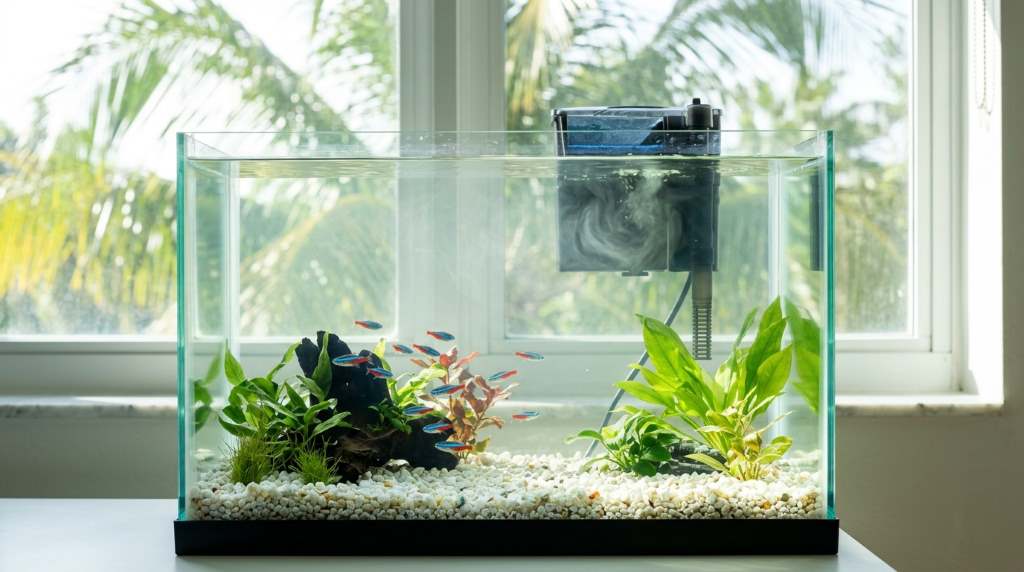
Why Is Tank Water Hazy in Miami, FL?
Tank water in Miami, FL usually becomes hazy because of bacterial blooms, fine sediment, algae growth, or filtration problems. Warm temperatures, mineral rich water, and frequent maintenance changes often make cloudiness appear faster. Understanding the exact cause helps restore clear water quickly and prevents recurring issues.
Many aquarium owners notice cloudy tanks unexpectedly. In fact, water clarity issues affect a large percentage of new and established aquariums. Moreover, environmental conditions in Miami can accelerate these changes. Sometimes the issue resembles cloudy water after substrate change, although other factors may be responsible.
Understanding Hazy Tank Water
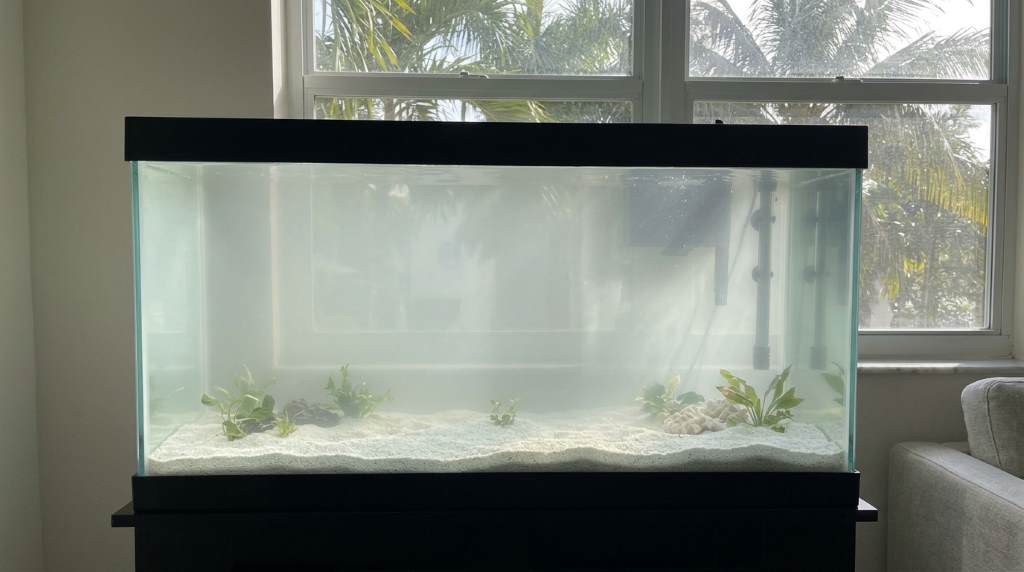
Hazy water refers to water that appears cloudy, milky, or slightly opaque. It reduces visibility and often signals an imbalance within the aquarium.
Different causes create different appearances. Therefore, identifying the type of haze helps determine the correct solution.
Common Signs of Water Haze
- Milky white appearance
- Floating particles throughout the tank
- Green tinted water
- Reduced visibility across the aquarium
- Unusual odor from the water
Some hazy conditions disappear naturally within days. However, others require immediate corrective action to protect fish and plants.
Why Miami Conditions Can Affect Tank Clarity
Miami experiences warm temperatures and high humidity throughout much of the year. As a result, biological activity inside aquariums often increases rapidly.
Water chemistry also plays an important role. Similar to maintaining a comfortable indoor environment with best affordable blackout curtains, controlling external influences helps maintain aquarium stability.
Furthermore, strong sunlight entering homes can promote algae growth. Consequently, tanks located near windows often experience more frequent clarity issues.
Higher Water Temperatures
Warm water speeds up bacterial reproduction. Therefore, bacterial blooms can develop much faster than expected.
In addition, warmer conditions increase organic decomposition. This process releases nutrients that contribute to cloudy water.
Bacterial Blooms: The Most Common Cause
Bacterial blooms create a whitish or gray haze throughout the aquarium. They usually occur when beneficial bacteria populations are adjusting.
New tanks frequently experience this issue during cycling. Likewise, established tanks may develop blooms after major cleaning or maintenance.
Homeowners who follow improvement trends like the home design remodeling show often upgrade living spaces, yet aquarium ecosystems require stability rather than frequent disruption.
What Triggers a Bacterial Bloom?
- Adding too many fish quickly
- Overfeeding aquarium inhabitants
- Cleaning filters aggressively
- Large water changes
- New tank setup periods
Fortunately, most bacterial blooms resolve naturally. Nevertheless, maintaining stable conditions remains essential.
Suspended Particles and Sediment Issues
Fine particles often create a dusty appearance throughout the tank. These particles commonly originate from substrate disturbance.
Gravel cleaning, decoration movement, and strong water flow can lift sediment. Consequently, the water becomes temporarily cloudy.
How Sediment Enters the Water Column
New substrates frequently contain residual dust. Therefore, insufficient rinsing may cause immediate cloudiness after installation.
Fish that dig within the substrate can also contribute. Moreover, powerful filters sometimes redistribute settled particles.
Algae Growth and Green Water Problems
Green water results from microscopic algae suspended in the aquarium. Unlike sediment, algae create a distinct green coloration.
Excess nutrients and prolonged light exposure encourage algae multiplication. As a result, water clarity declines significantly.
Factors That Promote Green Water
- Direct sunlight exposure
- Excess fish waste
- High phosphate levels
- Extended lighting schedules
- Poor maintenance routines
Reducing nutrient availability often produces noticeable improvements. Additionally, adjusting lighting duration can help prevent future outbreaks.
Filtration Problems That Cause Hazy Water
A properly functioning filter removes waste and suspended particles efficiently. However, filtration issues quickly affect water clarity.
Mechanical, biological, and chemical filtration each serve different purposes. Therefore, a problem in one area can influence the entire aquarium.
Signs of Filter Related Cloudiness
Reduced water flow often indicates clogged filter media. Consequently, debris remains suspended rather than being captured.
Damaged components can also reduce effectiveness. Furthermore, undersized filters may struggle with increasing biological loads.
Overfeeding and Organic Waste Accumulation
Overfeeding introduces excess organic matter into the aquarium. Uneaten food eventually decomposes and fuels bacterial growth.
Even small amounts of extra food can create problems over time. Therefore, consistent feeding habits matter greatly.
Best Feeding Practices
- Provide small portions only
- Remove uneaten food promptly
- Observe feeding behavior closely
- Avoid unnecessary treats
- Follow species specific requirements
These simple practices reduce nutrient buildup considerably. As a result, water quality remains more stable.
Practical Steps to Clear Hazy Tank Water
Successful treatment depends on identifying the root cause first. Random solutions often create additional stress within the aquarium.
Instead, use a systematic approach. This method improves clarity while protecting aquatic life.
Immediate Actions
- Test water parameters accurately
- Inspect filter performance
- Reduce feeding temporarily
- Remove visible debris
- Monitor fish behavior carefully
Small water changes can help in many situations. However, avoid excessive changes that disrupt beneficial bacteria.
Long Term Prevention Strategies
- Maintain consistent maintenance schedules
- Avoid overstocking fish populations
- Clean equipment regularly
- Monitor nutrient levels
- Control lighting duration
Consistency remains the most effective preventive measure. Therefore, gradual adjustments produce better long term results.
When Hazy Water Requires Professional Attention
Persistent cloudiness despite corrective actions may indicate deeper issues. Water chemistry imbalances sometimes require advanced testing.
Fish stress, unusual behavior, or recurring water quality problems deserve closer evaluation. Consequently, consulting experienced aquarium professionals becomes worthwhile.
Early intervention often prevents larger complications. Moreover, accurate diagnosis saves time and reduces unnecessary expenses.
Conclusion
Tank water becomes hazy in Miami, FL mainly because of bacterial blooms, suspended particles, algae growth, and filtration challenges. Warm conditions and environmental factors can accelerate these issues significantly.
Focus on identifying the exact cause before making major changes. Start with water testing, improve maintenance habits, and maintain consistent aquarium conditions for lasting clarity.
Frequently Asked Questions
Why does my tank water look cloudy but tests normal?
A temporary bacterial bloom or suspended particles can cause cloudiness despite normal water parameters.
How long does bacterial cloudiness last?
Most bacterial blooms clear within several days to a few weeks.
Can sunlight make aquarium water hazy?
Yes, direct sunlight often promotes algae growth that reduces water clarity.
Should I change all the water when my tank becomes cloudy?
No, complete water changes can disrupt beneficial bacteria and worsen instability.
Will a stronger filter clear hazy water?
A properly sized filter can improve clarity if filtration is the underlying problem.
