





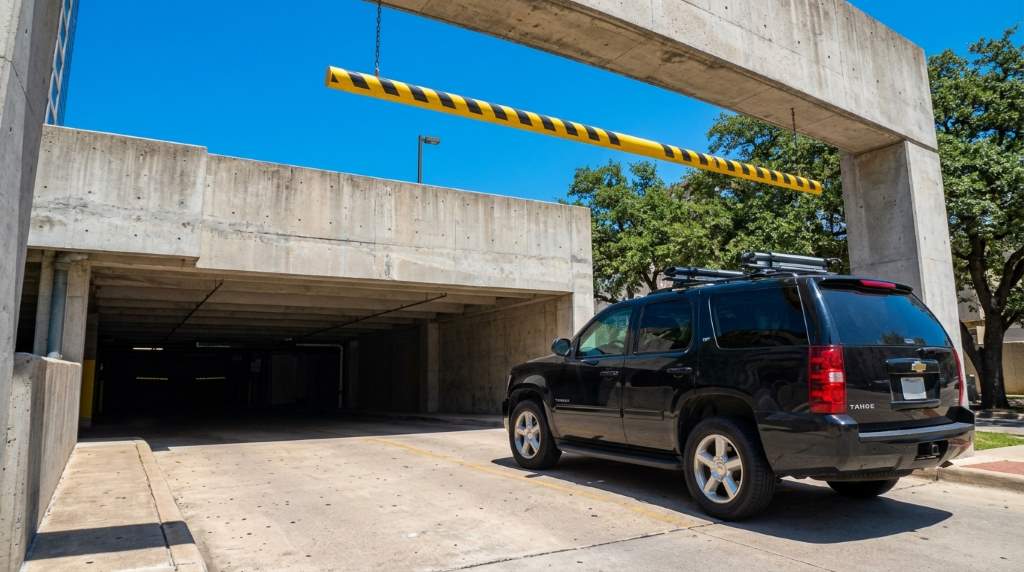
Why Big SUVs Hit Ceiling Rails in Austin, TX
Large sport utility vehicles continue growing in size, while many garages still follow older construction standards. Recent vehicle sales reports show SUVs remain among the most popular passenger vehicles, and many newer models stand taller than previous generations. Therefore, homeowners often discover unexpected clearance issues after buying a larger vehicle. Before making changes, understanding the garage door headroom requirement helps identify possible space limitations and prevents unnecessary repairs.
Why Garage Ceiling Rails Become a Problem
Most residential garage doors travel along horizontal ceiling rails after opening completely. However, taller SUVs occupy more vertical space than many homeowners expect. As a result, even a few extra inches can create unwanted contact.
Garage layouts also vary across neighborhoods because builders followed different construction practices over several decades. Meanwhile, remodeling projects sometimes reduce available headroom without owners realizing the consequences. You can also learn about line up garage door sensors while inspecting your garage system.
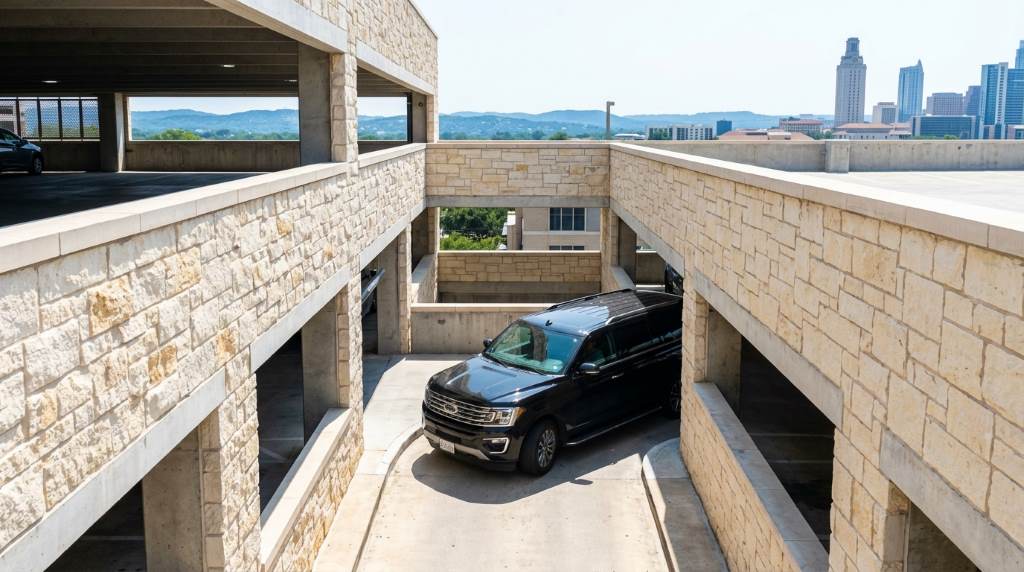
Vehicle Height Keeps Increasing
Modern SUVs feature higher ground clearance, roof rails, cargo racks, and panoramic roof designs. Consequently, total vehicle height often exceeds what older garages comfortably accommodate. Small differences quickly become noticeable inside limited spaces.
Aftermarket accessories increase overall height even further. Roof boxes, bike carriers, off road tires, and lift kits raise the vehicle beyond factory specifications. Therefore, drivers should always measure the complete vehicle instead of relying on brochure dimensions.
Common Reasons Big SUVs Hit Ceiling Rails
Several factors usually combine before contact happens inside a garage. Identifying every contributing issue helps prevent expensive repairs later.
- Garage door tracks sit too low.
- Limited ceiling headroom exists.
- Vehicle includes roof accessories.
- Suspension modifications increased height.
- Garage floor slopes upward.
- Door hardware was installed incorrectly.
Although each issue appears minor individually, their combined effect often removes valuable clearance. Therefore, careful measurements provide a much clearer picture than visual estimates.
How Austin Homes Can Create Clearance Challenges
Many homes include garages designed around older vehicle dimensions rather than today’s larger SUVs. Consequently, owners moving into established neighborhoods frequently notice clearance problems after purchasing newer vehicles. Reading about garage door repairs new standard also explains why updated hardware sometimes improves available space.
Garage renovations occasionally introduce new lighting fixtures, storage racks, insulation panels, or ceiling mounted equipment. Meanwhile, these additions reduce vertical clearance that previously remained available. Even simple shelving can interfere with safe parking.
Garage Door Track Design Matters
Standard lift tracks require more overhead space than high lift systems. Therefore, track configuration directly influences the maximum vehicle height your garage can accommodate. Professional measurements determine whether upgrades remain practical.
Extension springs and torsion spring systems also affect installation flexibility. However, changing hardware without proper planning creates additional operational problems. Always evaluate the complete door assembly before making modifications.
Warning Signs You Should Never Ignore
Light scraping sounds during parking often indicate the first stage of a clearance issue. Fortunately, early action usually prevents expensive structural damage. Ignoring repeated contact rarely solves the problem.
Drivers should immediately inspect both the vehicle roof and garage hardware after hearing unusual noises. Additionally, checking preventative garage maintenance plans helps reduce future surprises through routine inspections.
- Fresh scratches appear on roof rails.
- Garage door rails show paint marks.
- Door movement becomes uneven.
- Parking suddenly feels tighter.
- Roof mounted accessories shift position.
Simple Ways to Prevent Ceiling Rail Contact
Accurate measurements always provide the best starting point before attempting any garage modification. Next, compare vehicle height against the lowest overhead obstruction. Small measurement errors can produce costly mistakes.
Remove unnecessary roof accessories whenever possible. Likewise, seasonal cargo carriers should stay off the vehicle unless needed for travel. Every inch recovered increases parking safety.
Measure the Vehicle Correctly
Park on a completely level surface before measuring overall height. Include antennas, roof racks, crossbars, cargo boxes, and mounted equipment during every measurement. Complete measurements produce reliable results.
Measure several times using different reference points around the vehicle. Furthermore, compare those results with the garage’s lowest structural element instead of the ceiling itself. Consistent measurements improve planning accuracy.
Adjust Parking Position
Sometimes moving the parking location slightly changes available overhead clearance. Therefore, drivers should test different parking positions before considering expensive construction work. Floor slopes often influence final clearance.
Installing a parking stop helps maintain consistent positioning every day. Consequently, drivers avoid creeping too far beneath lower ceiling sections. This simple solution reduces accidental contact.
When Garage Upgrades Make Sense
If measurements reveal very limited clearance, hardware modifications may become worthwhile. However, every garage requires a customized evaluation before selecting an upgrade. Professional assessments prevent unnecessary spending.
High lift track conversions create additional overhead room in some garages. Likewise, jackshaft openers eliminate traditional ceiling mounted opener rails. These improvements often increase usable parking space significantly.
Evaluate Structural Limitations
Not every garage supports every modification. Roof framing, ceiling height, and wall construction determine available upgrade options. Careful planning protects structural integrity.
Building codes and manufacturer recommendations also deserve close attention during every project. Therefore, homeowners should verify compatibility before purchasing replacement hardware. Safe installations always remain the highest priority.
Practical Maintenance Tips for Long Term Safety
Regular garage inspections identify developing clearance problems before visible damage appears. Moreover, scheduled maintenance keeps moving parts operating smoothly throughout the year. Preventive care saves both time and money.
Clean tracks regularly and remove accumulated debris from rollers and hinges. Additionally, inspect mounting brackets for loose fasteners after seasonal temperature changes. Stable hardware maintains consistent door alignment.
- Measure vehicle height annually.
- Inspect garage tracks every season.
- Check roof accessories before parking.
- Tighten visible hardware carefully.
- Schedule professional inspections when necessary.
Final Thoughts
Big SUVs hit ceiling rails because vehicle dimensions continue increasing while many garages remain unchanged. Fortunately, accurate measurements, routine maintenance, and thoughtful upgrades greatly reduce the risk of damage. Start by measuring both your garage and vehicle today, then address any clearance concerns before expensive repairs become necessary.
Frequently Asked Questions
Why does my SUV touch the garage ceiling rail?
Your SUV likely exceeds the available garage clearance because of vehicle height or low mounted door tracks.
Can roof racks cause ceiling rail contact?
Yes, roof racks and cargo accessories often add enough height to create unexpected clearance problems.
Should I modify my garage door tracks?
Track modifications can help, but professionals should confirm compatibility before installation.
How do I measure garage clearance accurately?
Measure from the floor to the garage’s lowest overhead obstruction using a reliable tape measure.
Can regular maintenance prevent clearance issues?
Routine inspections help identify alignment problems and reduce the chance of unexpected contact.
