



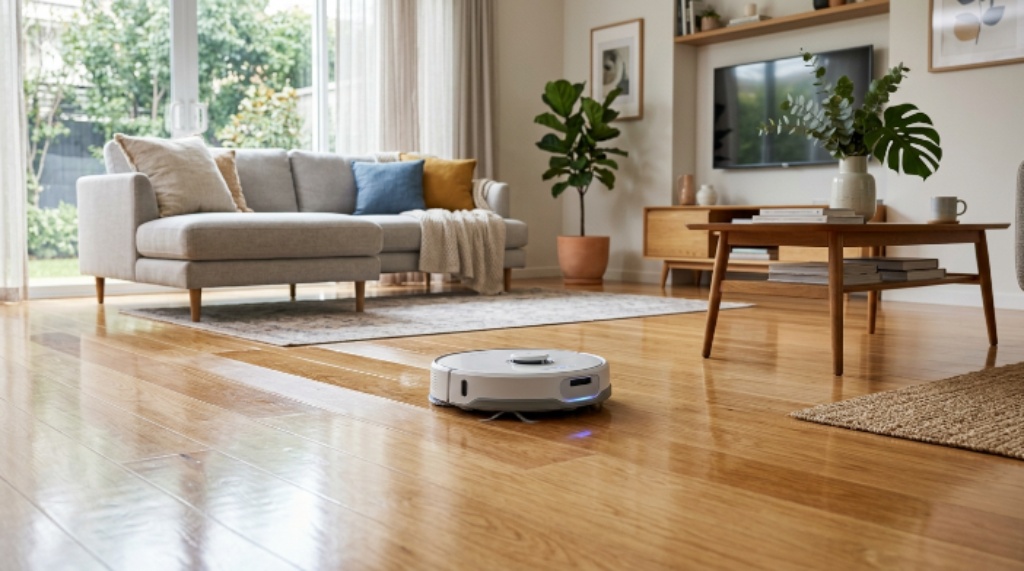
How to Choose the Best Robotic Mop for Hardwood Floors Without Damage
Hardwood floors add warmth and value to any home. However, keeping them clean without causing damage is a real challenge. A robotic mop can make the job much easier. But not every robot is safe for wood. Choosing the wrong one can warp, scratch, or stain your floors.
This guide will walk you through everything you need to know. You will learn what features to look for, what to avoid, and how to get the most out of your cleaning robot. Whether you are new to floor cleaning robots or upgrading your current setup, this article has you covered.
Why Hardwood Floors Need Special Care
Hardwood is a natural material. It reacts to moisture, heat, and harsh chemicals. Too much water can cause the wood to swell and warp. Abrasive pads can scratch the surface finish. Strong cleaning agents can strip the wood’s protective coating over time.
Therefore, proper hardwood floor care starts with understanding these risks. A regular mop can be used carefully by hand. A robotic mop, however, operates on its own. That means you need to choose one that is specifically designed to be gentle. The good news is that many modern models are built with this in mind.
Key Features to Look for in a Robotic Mop for Hardwood
Water Control Technology
This is the most important feature for hardwood floors. You want a robot that releases only a small amount of water at a time. Look for models with adjustable water flow settings. Some robots allow you to select “low moisture” or “dry mopping” modes. These are ideal for sealed hardwood.
Avoid robots that soak the mop pad or flood the floor. Even a small puddle left sitting on wood can cause damage over time.
Soft Microfiber Pads
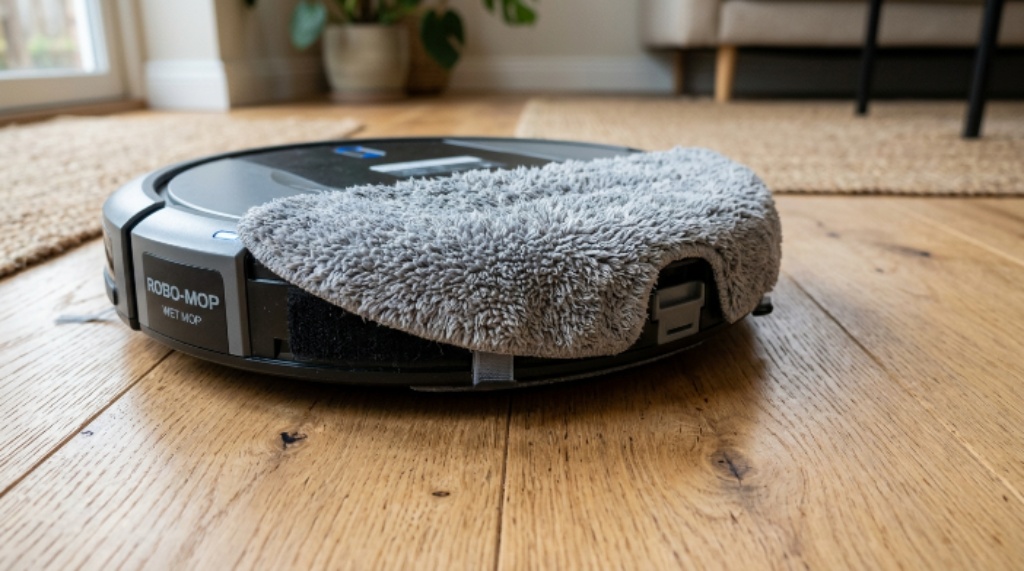
The type of pad matters just as much as the water level. Microfiber pads are gentle and effective. They lift dust, pet hair, and debris without scratching. Additionally, they absorb liquid quickly, which means less moisture stays on your floor during cleaning.
Avoid pads with rough textures or scrubbing bristles. These are designed for tile or stone and can leave fine scratches on wood finishes.
Smart Mapping and Navigation
A robot that bumps into furniture repeatedly can cause dents and scuffs on your floors and baseboards. Look for models with laser mapping or camera-based navigation. These systems allow the robot to create an accurate map of your home and move smoothly around obstacles.
Some advanced robots let you set virtual boundaries. This is useful if you want to keep the robot away from areas with unsealed wood or rugs.
Floor Detection Sensors
Many high-quality floor cleaning robots can detect different floor types. When the robot senses hardwood, it automatically adjusts its water output and pad pressure. This removes the guesswork and adds a layer of protection for your floors.
Features to Avoid
High-Heat Steam Functions
Some combination robots offer steam cleaning. While steam is great for tile and grout, it is harmful to hardwood. The heat and moisture can penetrate the wood grain and loosen the finish. Therefore, avoid steam-capable robots for use on wood floors unless the manufacturer explicitly states it is safe.
Fixed High-Moisture Settings
Some budget-friendly robots have only one water output level. If that level is too high for hardwood, you cannot reduce it. This is a common mistake buyers make. Always check whether the robot has adjustable moisture settings before you buy.
Spinning Scrub Brushes
Rotating brushes are designed to scrub stubborn stains. However, on hardwood, they act like sandpaper. They wear down the finish gradually with each pass. Stick to robots that use flat vibrating or dragging pad systems instead.
How to Set Up Your Robotic Mop for Safe Hardwood Use
Choose the Right Cleaning Solution
Most manufacturers recommend using their own brand of cleaning solution. However, many homeowners prefer natural alternatives. A small amount of diluted white vinegar or a hardwood-safe floor cleaner works well. The key is to avoid anything with bleach, ammonia, or oil-based ingredients.
Always check the label. Even some products marketed as “natural” can contain ingredients that damage wood finish over time.
Clean the Pad Before and After Each Use
A dirty mop pad can drag debris across your floor and cause scratches. Before you run the robot, make sure the pad is clean. After each session, wash and dry the pad fully. This also prevents mold and mildew from developing on a damp pad.
Run the Robot More Frequently
One of the best mop robot tips is to clean little and often rather than deep cleaning infrequently. Shorter, more regular cleaning cycles mean less water touches your floor each time. This keeps your hardwood looking great and reduces the risk of moisture buildup.
Sweep or Vacuum First
Robotic mops work best when the loose debris has already been removed. Run a robotic vacuum before you run the mop. Many brands now offer two-in-one combo units that vacuum and mop in the same pass. Just make sure the mopping function is gentle enough for wood.
Top Things to Check Before You Buy
Here are the most important things to confirm before purchasing:
- The robot has adjustable water output levels
- The manufacturer confirms it is safe for sealed hardwood
- Replacement microfiber pads are easy to find and affordable
- The robot supports no-go zones or virtual boundary settings
- User reviews mention successful use on hardwood floors
Maintaining Your Hardwood Floors Between Cleaning Cycles
Even the best floor cleaning robots cannot do everything. There are a few simple habits that will help protect your floors between cycles.
Place mats at all entry points to catch dirt and grit before it reaches your wood. Use felt pads under furniture legs to prevent scratches. Avoid walking on the floor with wet shoes or sharp heels.
Additionally, make sure your floors are sealed properly. A good sealant acts as a barrier between the wood and any moisture the robot leaves behind. If your floors have not been refinished in several years, it may be worth doing so before introducing any wet-mopping robot.
Conclusion
Choosing the right robotic mop for hardwood floors does not have to be complicated. The key is to focus on moisture control, pad material, and smart navigation. Avoid steam functions, fixed high-moisture settings, and rough scrubbing pads. Set up your robot correctly, clean the pads regularly, and run it more often rather than less.
With the right product and habits in place, hardwood floor care becomes effortless. A quality floor cleaning robot protects your investment while keeping your home spotless. Take your time, read the reviews, and choose a model that puts your floors first.
Frequently Asked Questions
Can all robotic mops be used on hardwood floors?
No. Not all robotic mops are safe for hardwood. Some have fixed high-moisture settings or steam functions that can damage wood. Always look for a model with adjustable water control and check that the manufacturer recommends it for hardwood use.
How often should I run my robotic mop on hardwood floors?
For most homes, running the robot three to four times a week is ideal. High-traffic areas may benefit from daily cleaning. Shorter and more frequent sessions are safer for wood than long, infrequent ones.
What type of cleaning solution is safe to use in a robotic mop on hardwood?
Use a hardwood-safe floor cleaner that is pH-neutral and free from bleach, ammonia, and oil. Many robot brands offer their own compatible solutions. You can also use a very diluted mix of white vinegar and water.
Will a robotic mop scratch my hardwood floors? It depends on the model. Robots with soft microfiber pads are generally safe. Those with spinning scrub brushes or hard plastic undersides can cause scratches. Always check what type of pad the robot uses before purchasing.
Do I need to vacuum before using a robotic mop on hardwood? Yes. Vacuuming or sweeping first removes loose grit and debris. If the mop robot pushes particles across the floor, they can cause fine scratches. Running a robotic vacuum first ensures the mop works on a clean surface.
Related Topics:
How To Select a Hardwood Floor Cleaning Home Services
Why Your Air Conditioner Needs a Clean to Keep You Healthy
