



How to Use a Pasta Roller Machine Like a Pro
Imagine the aroma of fresh pasta filling your kitchen. You twirl silky strands around your fork, and each bite delivers perfect texture and flavor. Homemade pasta transforms simple meals into something special. Many home cooks now embrace this skill, especially since pasta remains a global favorite.
According to the International Pasta Organisation, Italians consume over 23 kg of pasta per person each year, the highest worldwide. Additionally, global pasta demand continues to rise, with record consumption noted in recent years. Fresh pasta offers superior taste and lets you control ingredients fully.
To start strong, choose a reliable machine. Mastering pasta thickness settings early makes all the difference. This guide shows you how to roll, cut, and create pro-level pasta at home.
Why Make Homemade Pasta?
Homemade pasta beats store-bought versions in several ways. First, you enjoy unmatched freshness. You control every ingredient, avoiding preservatives common in packaged options.
Moreover, fresh pasta absorbs sauces better. Its porous texture clings to every drop of ragù or pesto. Many cooks report that homemade versions taste richer and more satisfying.
Additionally, you customize flavors easily. Add spinach for green pasta or squid ink for dramatic black strands. The process also proves relaxing. Kneading and rolling become meditative activities that connect you to traditional Italian cooking.
Finally, homemade pasta supports healthier eating. You select high-quality flour and eggs, boosting nutrition without additives.

Types of Pasta Roller Machines
Pasta rollers come in different styles. Each suits various needs and kitchens.
Manual rollers attach to countertops with a clamp. You turn a handle to feed dough through. Brands like Marcato or Imperia offer durable options that last years.
Electric models automate the process. You feed dough, and motors handle rolling and cutting. These save time, especially for large batches.
Stand mixer attachments work with brands like KitchenAid. You attach rollers to your mixer, combining power and convenience.
However you choose, all machines feature adjustable rollers. You change settings to achieve desired thickness.
Essential Ingredients for Perfect Pasta Dough
Great pasta starts with quality ingredients. Traditional egg pasta uses simple components.
You need “00” flour or all-purpose flour for smooth texture. Eggs provide richness and structure. Many recipes call for one egg per 100 grams of flour.
Some cooks add a pinch of salt. Others include olive oil for extra tenderness. Water-based dough suits vegan versions or filled pastas like ravioli.
Always weigh ingredients for consistency. Scales ensure better results than volume measurements.
Step-by-Step Pasta Dough Recipe
Follow this classic recipe for reliable results. It yields about 1 pound of dough, serving four people.
Gather 400 grams of “00” flour and 4 large eggs. Create a well in the flour mound on your counter. Crack eggs into the center.
Next, beat eggs lightly with a fork. Gradually incorporate flour from the sides. Continue until a shaggy dough forms.
Then, knead vigorously for 10 minutes. Push with your palm, fold, and turn. The dough becomes smooth and elastic.
However, if it feels too dry, add water teaspoon by teaspoon. Too sticky? Dust with flour sparingly.
Wrap dough in plastic and rest it for 30 minutes. This relaxes gluten, making rolling easier.
Preparing Your Workspace
Set up efficiently before rolling. Clean and clear a large counter space. Dust it lightly with flour to prevent sticking.
Secure your machine firmly. Manual models need tight clamps. Electric ones require stable placement.
Keep extra flour nearby in a bowl. Use a bench scraper for handling dough pieces. Have clean towels ready for covering sheets.
Additionally, prepare a drying rack or floured tray. Fresh pasta needs space while you work.
Setting Up the Pasta Roller Machine
Assembly proves straightforward for most models. Attach manual rollers to your counter edge. Tighten the clamp until secure.
For attachments, connect to your mixer hub. Follow manufacturer instructions carefully.
Start with the widest setting. Most machines label this as 0 or 1. This prevents tearing delicate dough.
Dust rollers lightly with flour. Never use oil or water, as they damage mechanisms.
Finally, test the handle or power. Ensure smooth operation before feeding dough.
Rolling Out the Dough: The Basics
Divide rested dough into four pieces. Keep unused portions wrapped to prevent drying.
Flatten one piece slightly with your hand. It should fit easily between rollers.
Feed it through at the widest setting. Catch the sheet as it emerges. Fold it into thirds like a letter.
Then, roll again at the same setting. Repeat folding and rolling 4-6 times. This kneads dough further and creates even texture.
Gradually decrease thickness. Move to the next setting and roll once or twice. Avoid skipping levels, as dough may tear.
Dust lightly with flour between passes if needed. Too much flour makes pasta tough, so use sparingly.
Continue until you reach desired thinness. Sheets become longer and more delicate.
Understanding Pasta Thickness Settings
Pasta thickness settings control final texture. Machines vary, but principles remain consistent.
Manual rollers like Marcato Atlas range from 0 (thickest) to 9 (thinnest). KitchenAid attachments often go from 1 (thickest) to 8.
Here are common guidelines for popular types:
- Lasagna sheets: Setting 4-5 (about 1.5-2 mm thick). Thick enough to hold layers without falling apart.
- Ravioli: Setting 6-7. Thin but strong for filling and sealing.
- Tagliatelle or fettuccine: Setting 6. Around 1-1.5 mm for classic bite.
- Spaghetti or tagliolini: Setting 7-8. Very thin for delicate strands.
- Pappardelle: Setting 5-6. Wider cuts need slightly thicker dough.
Experiment with your machine. Note settings that work best for each shape.
Additionally, filled pastas require thinner sheets in some regions. Double layers demand delicacy to avoid chewiness.
Related:
Cleaning Made Easy: Learn How to Properly Maintain Your KitchenAid Pasta Roller
How Beginners Can Cook Efficiently Using a Single Burner Hot Plate
Cutting Your Pasta Sheets
Most machines include cutting attachments. Switch from roller to cutter after thinning sheets.
Dust sheets lightly before cutting. Feed them steadily through the desired blade.
Fettuccine cutters create wide ribbons. Spaghetti blades produce thin rounds.
Separate strands immediately. Toss gently with flour to prevent clumping.
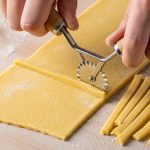
Alternatively, cut by hand for pappardelle. Use a sharp knife or fluted wheel for rustic edges.
Lay cut pasta on floured trays or hang on racks. Let it dry slightly before cooking.
Drying and Cooking Fresh Pasta
Fresh pasta cooks quickly. Boil plenty of salted water.
Add pasta and stir gently. Egg pasta takes 2-4 minutes depending on thickness.
Test for doneness often. It should remain al dente with slight resistance.
However, filled pastas like ravioli need gentle simmering. Avoid rapid boiling that bursts seams.
Drain carefully. Toss immediately with sauce to prevent sticking.
Reserve pasta water. It helps adjust sauce consistency perfectly.
Pro Tips for Flawless Results
Pros follow specific habits. First, always rest dough adequately. Skipping this step leads to tough pasta.
Work in small batches. Large pieces become unwieldy and dry out.
Moreover, keep dough covered. Exposure creates hard skin that ruins texture.
Dust strategically. Use semolina for extra prevention against sticking.
Roll progressively. Sudden thin settings cause tears and frustration.
Additionally, clean rollers between colors. Prevent flavor transfer in flavored doughs.
Practice folding technique early. Proper laminating creates silky sheets.
Finally, involve family. Pasta making becomes fun shared activity.
Common Mistakes to Avoid
New users encounter pitfalls. Avoid these for better results.
First, over-flouring creates dusty, tough pasta. Use minimal amounts.
Skipping rests makes dough spring back. Patience rewards you greatly.
Moreover, rushing thickness changes tears sheets. Gradual progression works best.
Forgetting to clamp securely causes machine movement. Safety matters during cranking.
Cleaning with water ruins metal parts. Stick to dry methods only.
Starting with cold eggs hinders incorporation. Room temperature ingredients blend smoothly.
Finally, overcrowding pot leads to gummy results. Cook in batches if needed.
Cleaning and Maintaining Your Pasta Machine
Proper care extends machine life. Never submerge in water or use dishwashers.
Let residual dough dry completely. Brush away crumbs with dry brush or toothpick.
Use scrap dough initially. Run plain pieces through to absorb residue.
Wooden tools reach tight spaces. Avoid metal that scratches surfaces.
Store in dry place. Cover with cloth to prevent dust.
Occasionally oil moving parts lightly. Use mineral oil on gears for smooth operation.
Follow manufacturer guidelines always. Different models have specific needs.
Regular maintenance keeps performance consistent. Your machine serves reliably for years.
Advanced Pasta Making Techniques
Once basics feel comfortable, explore creativity. Add purees for colored pasta.
Spinach creates vibrant green sheets. Beet puree yields pink hues. Tomato paste adds red tones.
Moreover, try flavored doughs. Incorporate herbs, garlic, or pepper.
Make stuffed pastas confidently. Thin sheets seal ravioli perfectly.
Create layered lasagna with homemade sauce. Alternate noodles and fillings for impressive dishes.
Experiment with semolina dough. It suits extruded shapes like orecchiette.
Finally, try laminated herb pasta. Embed fresh herbs between layers for beautiful presentation.
Simple Recipes to Get Started
Try classic tagliatelle with ragù. Rich meat sauce pairs perfectly with wide ribbons.
Alternatively, make lemon ricotta ravioli. Light filling complements thin squares.
Pappardelle with mushrooms showcases wider cuts. Earthy flavors shine.
Spinach and ricotta cannelloni uses rectangular sheets. Roll around filling and bake.
Finally, simple aglio e olio highlights fresh spaghetti. Garlic, oil, and chili create magic.
Conclusion
You now hold the knowledge to use a pasta roller machine like a pro. Start with quality dough, master gradual rolling, and understand thickness settings for each shape.
Practice brings confidence. Each batch improves your skill and results.
Gather ingredients today. Roll your first sheets and taste the difference fresh pasta makes.
Your kitchen awaits delicious transformation. Enjoy every twirl.
FAQs
What thickness setting works best for lasagna sheets?
Use setting 4 or 5 on most machines. This creates sturdy sheets around 1.5-2 mm thick that hold sauce layers without becoming gummy.
How do I prevent dough from sticking to the rollers?
Dust lightly with flour or semolina before each pass. Work quickly and keep unused dough covered. Proper resting also reduces stickiness.
Can I make gluten-free pasta with a roller machine?
Yes, many gluten-free blends work well. Add xanthan gum for elasticity. Roll carefully as dough proves more fragile.
How long should fresh pasta dry before cooking?
Dry 15-30 minutes for immediate cooking. Longer drying (1-2 hours) helps storage. Avoid over-drying which makes pasta brittle.
Is manual or electric pasta roller better for beginners?
Manual rollers offer excellent control and teach technique. Electric models save effort once you understand basics.
References
- International Pasta Organisation. “Italian Pasta Conquers the World: Record Global Consumption.” https://internationalpasta.org/news/italian-pasta-conquers-the-world-record-global-consumption-and-export-growth
- King Arthur Baking. “How to use a pasta machine.” https://www.kingarthurbaking.com/blog/2025/01/29/pasta-machine
- The Spruce Eats. “How to Use a Pasta Machine to Make Homemade Pasta.” https://www.thespruceeats.com/how-to-use-a-pasta-machine-to-make-homemade-pasta-909023
- Pasta Evangelists. “How to Clean a Pasta Machine: A Step-by-Step Guide.” https://pastaevangelists.com/blogs/blog/how-to-clean-a-pasta-machine-step-by-step
