



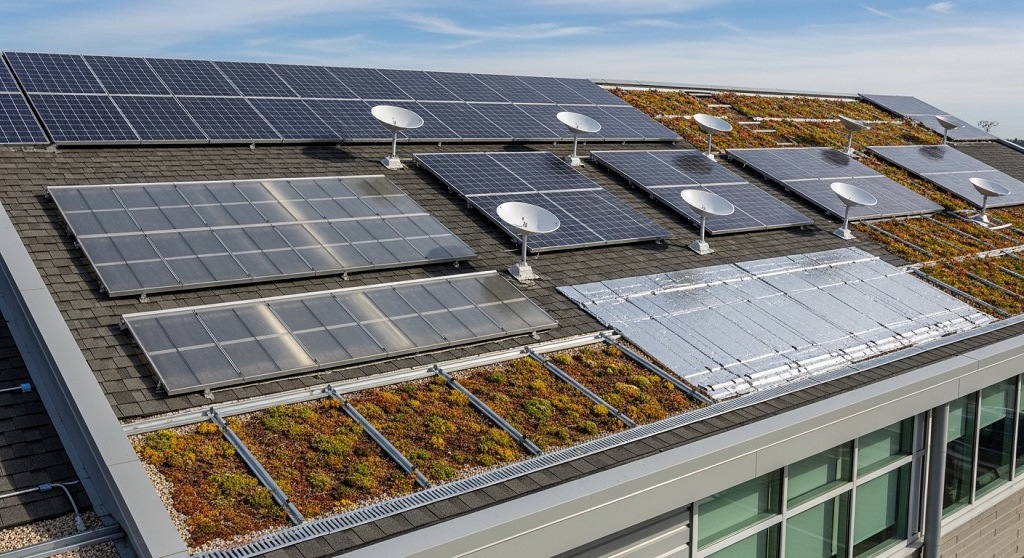
How to Upgrade Your Roof with New Roofing Technology Trends
How to upgrade your roof means replacing or improving your existing roofing system using newer materials, smarter designs, and energy-efficient technologies that improve durability, safety, and long-term cost savings.
Your roof is not just a cover anymore. It protects your home, controls indoor temperature, supports energy efficiency, and impacts property value. Yet many homeowners delay upgrades until leaks appear. That delay costs more over time.
New roofing technology trends have changed how roofs perform. Today’s roofs can reflect heat, generate electricity, detect moisture issues early, and last longer with less maintenance.
This guide breaks down how to upgrade your roof step by step using proven roofing technologies. You’ll learn what problems outdated roofs create, which modern solutions solve them, and how to choose the right upgrade for your budget and climate.
If you want fewer repairs, lower energy bills, and a roof that works smarter—not harder—this article is for you.
Why do outdated roofs become expensive problems over time?
Short answer: Old roofing systems fail slowly, causing energy loss, moisture damage, higher maintenance costs, and reduced home value.
This is the core problem most homeowners ignore.
According to the U.S. Department of Energy, up to 25–30% of residential heating and cooling loss happens through the roof. Older roofing materials absorb heat, crack under UV exposure, and lose water resistance over time.
Here’s what outdated roofs commonly cause:
- Higher electricity bills due to poor insulation
- Hidden leaks leading to mold and wood rot
- Frequent repairs instead of long-term fixes
- Lower resale value during inspections
Many homeowners spend thousands on interior repairs without addressing the roof—the root problem.
Modern roofing technology exists to solve these exact issues.
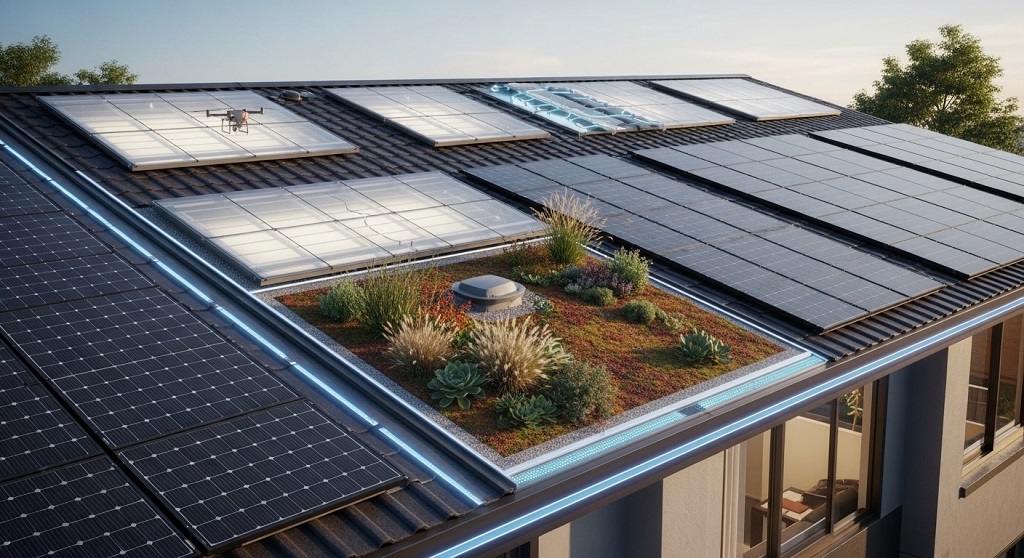
How do roofing technology trends solve these problems?
Short answer: New roofing technologies focus on energy efficiency, durability, monitoring, and sustainability.
Roofing has evolved from basic protection to performance-based systems.
Here are the major roofing technology trends driving upgrades today:
- Cool roofing materials that reflect heat
- Solar-integrated roofing systems
- Synthetic and composite roofing materials
- Smart roof sensors for leak detection
- Advanced insulation and underlayment systems
Each trend targets a specific pain point—energy loss, maintenance costs, or lifespan limits.
Upgrading your roof is no longer just replacement. It’s optimization.
How can cool roofing technology reduce energy bills?
Short answer: Cool roofs reflect more sunlight and absorb less heat, lowering indoor temperatures and reducing cooling costs.
Traditional asphalt roofs absorb heat. On hot days, roof surfaces can reach 150°F (65°C).
Cool roofing materials use reflective pigments and coatings to bounce solar radiation away.
According to Energy Star case studies:
- Cool roofs can lower roof surface temperature by 50–60°F
- Homes see 10–15% reduction in cooling energy use
Common cool roofing options include:
- Reflective asphalt shingles
- Metal roofs with reflective coatings
- TPO and PVC membrane roofing
This upgrade is ideal for hot climates and urban areas.
How does solar roofing change the way roofs work?
Short answer: Solar roofing integrates energy generation directly into the roof structure.
Instead of installing panels on top of an old roof, modern systems combine roofing and power generation.
Solar shingles and solar tiles look like regular roofing materials but produce electricity.
Real-world data from residential solar case studies shows:
- Average homeowners save $1,000–$1,500 per year on electricity
- Payback periods range from 8–12 years
- Roof lifespan increases due to added UV protection
Solar roofing works best when installed during a roof upgrade—not afterward.
This approach turns your roof from a cost into an asset.
What makes synthetic and composite roofing materials better?
Short answer: Synthetic roofing materials offer longer lifespan, lower weight, and better weather resistance.
Traditional roofing materials have limits:
- Asphalt: 15–25 years
- Wood shakes: high maintenance
- Clay tiles: heavy and fragile
Composite and synthetic roofing materials solve these issues.
Benefits include:
- Lifespan of 40–50 years
- Resistant to fire, impact, and moisture
- Lighter weight reduces structural stress
Insurance data shows impact-resistant synthetic roofs can lower premiums by up to 20% in storm-prone regions.
How do smart roof sensors prevent costly damage?
Short answer: Smart roofing sensors detect moisture and temperature changes before visible damage occurs.
Leaks often go unnoticed for months.
Smart roof technology uses embedded sensors to monitor:
- Moisture levels
- Temperature fluctuations
- Structural stress
Commercial case studies show early detection reduces repair costs by 30–40%.
Residential adoption is growing, especially in high-value homes.
This technology turns roof maintenance from reactive to preventive.
How does advanced insulation improve roof performance?
Short answer: Modern insulation systems reduce heat transfer and improve indoor comfort.
Roof upgrades fail without proper insulation.
New materials include:
- Spray foam insulation
- Radiant barriers
- High-R-value rigid boards
Homes with upgraded roof insulation report:
- More stable indoor temperatures
- Lower HVAC usage
- Improved indoor air quality
This upgrade is often overlooked but delivers fast returns.
How do you choose the right roofing technology for your home?
Short answer: The best roof upgrade depends on climate, budget, roof structure, and long-term goals.
| Goal | Best Technology |
|---|---|
| Lower energy bills | Cool roofing + insulation |
| Generate power | Solar roofing |
| Storm resistance | Composite roofing |
| Low maintenance | Smart roof sensors |
A roofing professional should evaluate your structure before upgrading.
What is the real cost of upgrading your roof with new technology?
Short answer: Costs vary, but long-term savings often outweigh upfront investment.
Estimated ranges:
- Cool roofing: $7,000–$15,000
- Composite roofing: $12,000–$25,000
- Solar roofing: $20,000–$40,000 (before incentives)
Federal and local incentives can reduce costs significantly.
Upgrading once is cheaper than repairing repeatedly.
Conclusion: Is upgrading your roof worth it today?
Short answer: Yes—modern roofing technology improves efficiency, protection, and long-term value.
Old roofs drain money quietly.
New roofing technology trends offer solutions backed by data, not hype. Lower bills. Fewer repairs. Better comfort.
If your roof is over 15 years old, waiting costs more than acting.
Call to Action: Schedule a professional roof assessment today and explore which roofing technologies fit your home and budget. A smarter roof starts with one informed decision.
Frequently Asked Questions
How often should you upgrade your roof?
Most roofs need upgrades every 20–30 years, depending on materials and climate.
Is solar roofing better than solar panels?
Solar roofing integrates better aesthetically and works best during full roof replacement.
Do cool roofs work in cold climates?
Yes. They still improve insulation and reduce summer cooling costs.
Can smart roof sensors be added later?
Some systems allow retrofitting, but installation during upgrades is ideal.
Does roofing technology increase home value?
Energy-efficient roofs can increase resale value by 3–7%.
Are composite roofs environmentally friendly?
Many use recycled materials and reduce landfill waste due to longer lifespan.
Related Topics: How to Design a Spa Style Bathroom Using White Oak Bathroom Vanity
Related Topics: Best Training Collars for Large Dogs (Black Rhino Review)
