


How Beginners Can Cook Efficiently Using a Single Burner Hot Plate
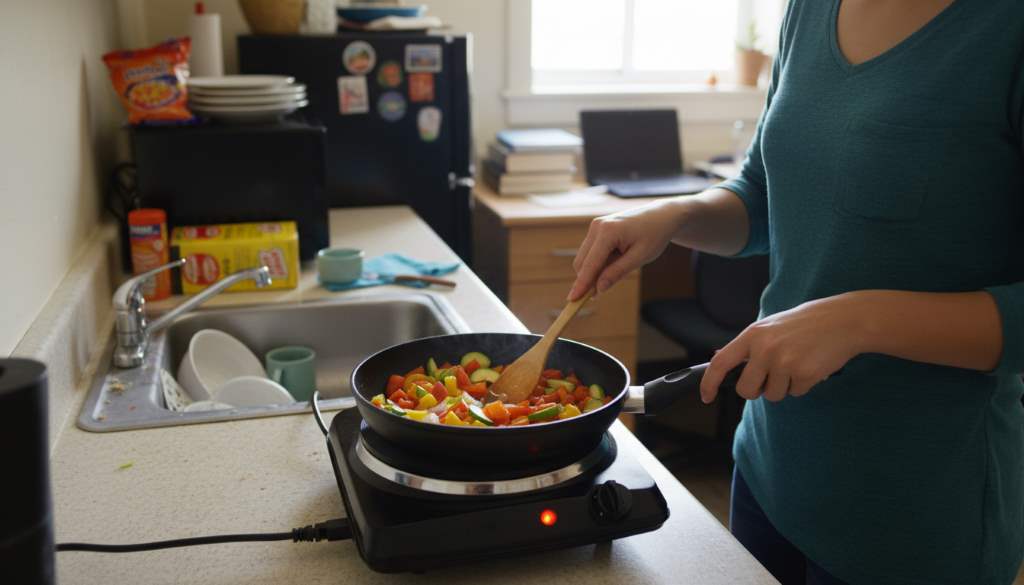
Imagine standing in a tiny dorm room or cramped apartment. You crave a home-cooked meal, but a full kitchen feels like a distant dream. That’s where a single burner hot plate changes everything. This compact tool lets beginners create tasty dishes without needing much space or experience.
Many people start their cooking journey this way. For example, a great beginner electric stove like the Ovente 1000W model offers simple controls and reliable heat. Moreover, college students often rely on portable appliances. According to the U.S. Fire Administration, cooking equipment causes a significant portion of university housing fires, so safe habits matter from day one. Yet with the right approach, you cook efficiently and confidently.
This guide shows you how. You learn setup tips, techniques, recipes, and more. Soon, you turn limited space into a functional kitchen.
Why a Single Burner Hot Plate Works Perfectly for Beginners
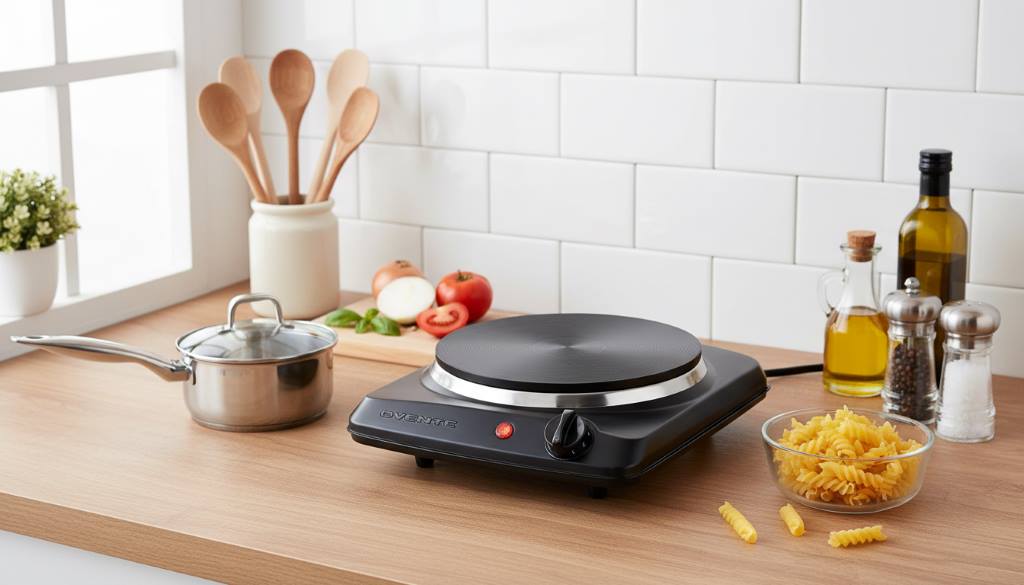
Single burner hot plates shine in small living situations. They take up little counter space and store easily when you finish cooking.
Additionally, they heat up fast. You start boiling water or sautéing veggies in minutes. This speed helps busy beginners who lack time for long prep.
Furthermore, these devices prove portable. You move them for dorm parties, camping trips, or extra cooking during holidays. Many models weigh under five pounds, so handling feels effortless.
Beginners also appreciate the simplicity. Most feature basic knobs for temperature control. No complex settings confuse you. You focus on learning flavors and techniques instead.
How to Choose the Right Single Burner Hot Plate
Start with power wattage. Models range from 500W to 1500W. Higher wattage boils water quicker, but 1000W to 1200W balances speed and energy use well for most tasks.
Next, consider the surface type. Cast iron coils heat evenly and retain warmth longer. However, ceramic glass tops clean easier and look sleek. Both work great; pick based on your cleaning preference.
Also, check temperature controls. Infinite settings give precise adjustments, perfect for simmering sauces without scorching.
Finally, look for safety features. Automatic shut-off and indicator lights prevent accidents. Stable feet keep the unit steady on counters.
Essential Tools That Make Cooking Easier
You need only a few items to pair with your hot plate. A good pot or pan tops the list.
Choose these options:
- A medium-sized saucepan with lid for boiling pasta or making soups
- A nonstick skillet for eggs, stir-fries, or pancakes
- A small stock pot for one-pot meals
Additionally, grab these basics:
- Wooden spoon or silicone spatula
- Heat-resistant tongs
- Cutting board and sharp knife
- Measuring cups and spoons
Moreover, oven mitts protect your hands. A timer on your phone keeps track of cooking stages.
Keep everything within reach. This setup minimizes movement and maximizes efficiency in tight spaces.
Basic Cooking Techniques Every Beginner Should Master
Start with boiling. Fill your pot with water, set the burner to high, and cover with a lid. Water reaches boiling point faster this way.
Then, practice simmering. Once liquid boils, lower heat to medium-low. Small bubbles should rise gently. This technique tenderizes ingredients slowly.
Next, learn sautéing. Heat a little oil on medium-high. Add chopped vegetables or meat. Stir frequently for even browning.
Furthermore, frying works well too. Use enough oil to cover the bottom of the pan. Medium heat prevents splattering while crisping food.
Finally, master steaming. Place a metal colander or steamer basket over boiling water. Cover and let steam cook vegetables or dumplings gently.
Time-Saving Strategies for Busy Beginners
Prep ingredients ahead. Chop vegetables in the morning or on weekends. Store them in containers for quick access later.
Additionally, embrace one-pot cooking. Everything goes into a single vessel. You reduce cleanup and monitor just one burner.
Moreover, use the lid often. It traps heat and speeds cooking time significantly.
Also, multitask smartly. While water boils, wash and chop next ingredients. This overlap keeps momentum going.
Finally, keep a simple routine. Plan three go-to meals per week. Rotate them to build confidence without overwhelm.
Delicious One-Pot Recipes Perfect for One Burner
Simple Vegetable Stir-Fry
You need oil, mixed vegetables, soy sauce, and rice.
First, cook rice in your saucepan according to package directions. Remove and set aside.
Then, heat oil on medium-high. Add vegetables. Stir for five minutes until crisp-tender.
Next, pour in soy sauce. Toss everything together. Serve over rice.
This meal comes together in under twenty minutes. Plus, you customize with any veggies on hand.
Hearty Tomato Pasta
Gather pasta, canned tomatoes, garlic, onion, and herbs.
Start by sautéing chopped onion and garlic in olive oil.
Then, add canned tomatoes and dried basil. Let simmer while you boil pasta in the same pot after removing sauce temporarily.
Finally, combine everything. Top with cheese if desired.
Beginners love this forgiving recipe. Mistakes rarely ruin the flavor.
Creamy Mushroom Soup
Use mushrooms, onion, broth, cream, and butter.
First, melt butter and sauté onions until soft.
Add sliced mushrooms. Cook until they release moisture.
Next, pour in broth. Simmer fifteen minutes.
Finally, stir in cream. Blend partially for texture if you like.
This comforting soup feels fancy but requires minimal effort.
Quick Chicken and Rice
Combine rice, chicken pieces, frozen veggies, and broth.
Heat oil and brown chicken briefly.
Add rice, veggies, and broth. Bring to boil, then simmer covered until rice absorbs liquid.
Fluff and serve. Protein, carbs, and vegetables appear in one satisfying dish.
Spicy Bean Chili
Start with canned beans, tomatoes, onion, chili powder, and cumin.
Sauté onion. Add spices to bloom flavors.
Then, dump in beans and tomatoes. Simmer twenty minutes.
Serve with bread or over rice. This vegetarian option packs protein and heat.
Each recipe serves two to four. Double ingredients easily for meal prep.
Safety Tips You Must Follow
Never leave the hot plate unattended while on. Fires start quickly if pots boil dry.
Additionally, place it on a stable, heat-resistant surface. Keep away from edges where cords might pull.
Moreover, unplug after use and let cool completely before storing.
Also, use pots with flat bottoms. They ensure even contact and prevent tipping.
Furthermore, keep flammable items like towels or curtains far away.
Finally, teach yourself to turn knobs off immediately after cooking. This habit prevents forgotten heat sources.
Easy Cleaning and Maintenance Routine
Wait until the surface cools entirely. Then, wipe with a damp cloth and mild soap.
For stubborn spots, sprinkle baking soda. Add a little water to form paste. Let sit five minutes, then scrub gently.
Coil models lift for cleaning underneath. Remove drips promptly to avoid buildup.
Glass tops respond well to specialized cleaners. Avoid abrasives that scratch.
Store in a dry place. Regular care extends lifespan and keeps performance strong.
Related:
Pros and Cons of a Zellige Tile Backsplash: Is It Right for Your Kitchen?
What Is The Best Material For Kitchen Sinks
Common Beginner Mistakes and Quick Fixes
Many forget to preheat. Always give the burner a minute to warm before adding food.
Others overcrowd the pan. Cook in batches for better browning and even results.
Some use wrong cookware. Avoid glass or ceramic unless specified safe.
Additionally, beginners often set heat too high. Start medium and adjust as needed.
Finally, they skip tasting. Sample throughout cooking and season gradually.
Learn from these slips. Each attempt improves your skills.
Conclusion
A single burner hot plate opens a world of cooking possibilities for beginners. You save space, time, and energy while creating nutritious meals.
Start small. Pick one recipe this week and try it. Build confidence with each success.
Grab your hot plate today. Turn that limited kitchen into your favorite space. Delicious food awaits.
FAQs
Can I fry foods safely on a single burner hot plate?
Yes, you can. Use a deep pan with enough oil and maintain medium heat. Never fill more than halfway to prevent spills. Monitor closely.
What cookware works best?
Flat-bottomed stainless steel, cast iron, or nonstick pans perform excellently. Avoid uneven bottoms that wobble.
How do I prevent food from sticking?
Preheat the pan properly. Add oil and wait until it shimmers. Nonstick surfaces help tremendously.
Is it energy-efficient compared to a full stove?
Single burners use power only when needed. They waste less heat on unused elements, making them efficient for small meals.
Can I bake with a hot plate?
Direct baking isn’t possible, but you can make stovetop versions like skillet cookies or no-bake treats.
References
- U.S. Fire Administration reports on university housing fires: https://www.usfa.fema.gov/
- Consumer Reports on portable cooking appliances: https://www.consumerreports.org/
- Energy efficiency information from U.S. Department of Energy: https://www.energy.gov/
