



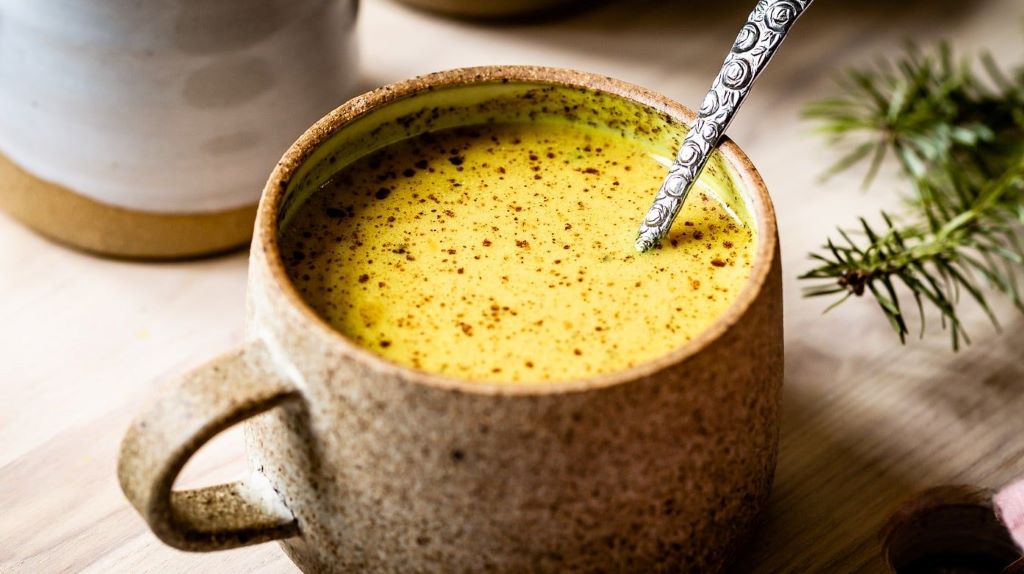
Golden Milk vs. Moon Milk: Understanding the Differences
In the quiet corners of the wellness world, two warm, comforting beverages have risen to fame: golden milk and moon milk. Both promise a soothing escape in a mug, steeped in ancient traditions and modern health trends. They appear similar, often served warm before bed, and are celebrated as wellness lattes. However, despite their shared purpose of promoting well-being, their core ingredients and primary benefits are distinctly different. Understanding these differences is key to choosing the right soothing ritual for your body, a philosophy we cherish at Sweet Healthy Living.
While these drinks are often presented as separate, it’s worth noting how modern wellness blurs the lines. While traditional golden milk relies on turmeric, modern variations are emerging. In fact, a popular trend is the ashwagandha golden milk recipe, which blends ingredients to maximize benefits. But before we explore that popular hybrid, we must first understand the foundations of each drink on its own.
The Sunny Sip: What is Traditional Golden Milk?
Golden milk, also known as a “turmeric latte” or haldi doodh, is an ancient beverage with deep roots in Ayurvedic medicine from India. Its beautiful, vibrant yellow color gives it the “golden” name. This drink has been used for centuries as a holistic remedy for a wide rangeof ailments, from a common cold to joint pain.
Core Ingredients
The undeniable star of golden milk is turmeric. This bright yellow spice contains the active compound curcumin, which is responsible for most of its powerful health benefits.
A traditional golden milk recipe typically includes:
- Turmeric: Usually ground powder, this is the non-negotiable base.
- Milk: Any milk works, including dairy, almond, coconut, or oat milk. Coconut milk is a popular choice as its healthy fats can help with a creamy texture.
- Black Pepper: This is a crucial ingredient. A compound in black pepper called piperine significantly increases the body’s ability to absorb the curcumin from the turmeric.
- Warming Spices: Ground ginger and cinnamon are common additions. They not only add flavor depth but also bring their own health benefits, such as aiding digestion and balancing blood sugar.
- A Sweetener: A small amount of honey, maple syrup, or jaggery is often added to balance the earthy, slightly bitter taste of turmeric.
Primary Benefits
The benefits of golden milk are almost entirely linked to its powerhouse ingredient, curcumin. The primary goal of this drink is to fight inflammation.
- Potent Anti-inflammatory: Curcumin is a well-studied natural anti-inflammatory compound. This makes golden milk a popular choice for those dealing with joint pain, arthritis, or general bodily inflammation.
- Rich in Antioxidants: Turmeric is loaded with antioxidants, which help protect your cells from damage caused by free radicals.
- Immune System Support: The combination of turmeric, ginger, and cinnamon creates a potent blend that can help support a healthy immune system.
- Digestive Aid: Ginger, a common ingredient, is famous for its ability to soothe an upset stomach and aid digestion.
Golden milk can be enjoyed any time of day. Some prefer it in the morning to start their day with an anti-inflammatory boost, while others find its warm, soothing nature relaxing in the evening.
The Lunar Elixir: What is Traditional Moon Milk?
Moon milk is a more modern wellness creation, though its core ingredients are also rooted in Ayurvedic tradition. Where golden milk targets the body’s physical inflammation, moon milk targets the mind’s response to stress. It is specifically designed as a bedtime ritual to promote relaxation and prepare the body for sleep.
Core Ingredients
The star of moon milk is an adaptogen. Adaptogens are herbs and roots that are believed to help the body resist and adapt to physical, chemical, and biological stressors.
The most common adaptogen used in moon milk is:
- Ashwagandha: This is the cornerstone of most moon milk recipes. Ashwagandha is an ancient medicinal herb renowned for its ability to reduce anxiety and stress by helping to lower cortisol (the stress hormone) levels.
Other ingredients typically include:
- Milk: Like golden milk, any plant-based or dairy milk forms the base.
- Warming Spices: Moon milk leans on gentler, sweeter spices than golden milk. Nutmeg (a natural sedative) and cardamom are very common.
- Color (Optional): Many popular moon milk recipes get a beautiful blue or purple hue from ingredients like butterfly pea flower powder or blueberry powder, though this is purely for aesthetics.
- A Sweetener: Honey or maple syrup is usually added for taste.
Primary Benefits
The benefits of moon milk are centered on calming the nervous system and promoting restorative sleep.
- Reduces Stress and Anxiety: Ashwagandha is the key. By helping to modulate the body’s stress response, it fosters a sense of calm and tranquility, making it easier to unwind after a long day.
- Promotes Sleep: By reducing anxiety and stress, moon milk directly helps prepare the mind for sleep. Ingredients like nutmeg also have mild sedative properties that can encourage drowsiness.
- Supports Adrenal Health: People believe adaptogens like ashwagandha support the adrenal glands, which produce stress hormones.
Therefore, the best and intended time to drink moon milk is about 30 to 60 minutes before you plan to go to sleep.
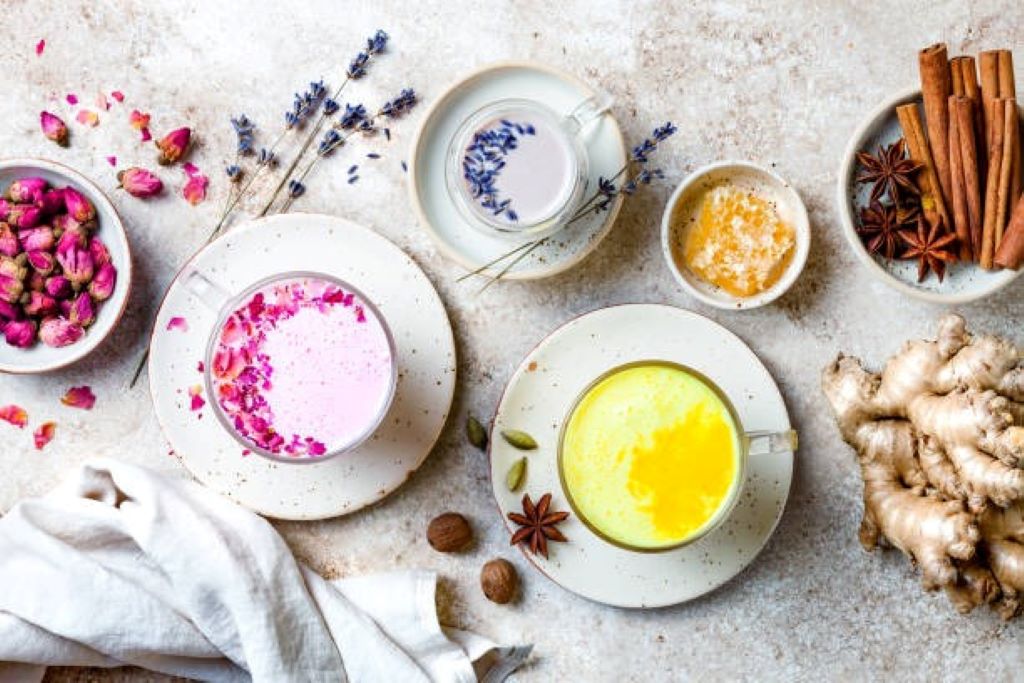
Golden Milk vs. Moon Milk: The Main Showdown
While both are warm, milky, and healthful, their functions are very different. Let’s break down the direct comparison.
Key Ingredient and Purpose
- Golden Milk: The key ingredient is turmeric (curcumin).
- Purpose: To fight physical inflammation, reduce pain, and provide antioxidant support.
- Moon Milk: The key ingredient is ashwagandha (an adaptogen).
- Purpose: To fight mental stress, reduce anxiety, and promote sleep.
Flavor Profile
- Golden Milk: The flavor is distinctively earthy, warming, and peppery. The turmeric and ginger provide a spicy kick that is balanced by the cinnamon and sweetener.
- Moon Milk: The flavor is much milder, sweeter, and often more floral or delicate. The primary tastes come from the cardamom, nutmeg, and sweetener, as ashwagandha itself has a subtle, earthy taste that is easily masked.
Best Time to Drink
- Golden Milk: Can be consumed any time of day. It is an excellent morning tonic to address inflammation or a general evening wellness drink.
- Moon Milk: Is specifically a bedtime beverage. The makers choose its ingredients to actively promote drowsiness and relaxation for sleep.
The Best of Both Worlds: The Ashwagandha Golden Milk Recipe
Now that we understand the two distinct paths, we return to the popular modern hybrid: the ashwagandha golden milk recipe.
Wellness enthusiasts and recipe developers quickly realized a simple truth: why choose? Many people seeking better sleep are also dealing with physical inflammation. Stress itself can be a major cause of inflammation in the body. Therefore, combining the anti-inflammatory power of turmeric with the anti-anxiety power of ashwagandha creates a single, super-powered beverage.
This hybrid drink takes the best of both worlds. It aims to calm your inflamed body and your stressed-out mind simultaneously, creating the perfect holistic ritual to prepare you for a truly restorative night’s sleep.
How to Make a Simple Ashwagandha Golden Milk
Creating this fusion drink is simple. You are essentially making a traditional golden milk and just adding the key ingredient from moon milk.
Ingredients:
- 1 cup of milk (almond, coconut, or oat milk works beautifully)
- 1 teaspoon ground turmeric
- 1/2 teaspoon ground ashwagandha powder
- 1/2 teaspoon ground cinnamon
- 1/4 teaspoon ground ginger
- 1 pinch of ground black pepper (this is essential for turmeric absorption)
- 1 teaspoon of coconut oil (optional, for healthy fats and creaminess)
- 1-2 teaspoons of maple syrup or honey (to taste)
Instructions:
- Pour the milk into a small saucepan over medium-low heat.
- Add the turmeric, ashwagandha powder, cinnamon, ginger, black pepper, and optional coconut oil.
- Whisk the ingredients together continuously as the milk warms. Do not let it come to a rolling boil; a gentle simmer is perfect.
- Once the milk is steaming and all the ingredients are well combined (about 3-5 minutes), remove it from the heat.
- Carefully pour the mixture through a fine-mesh strainer into your favorite mug. This step is optional but helps remove any sediment for a smoother drink.
- Stir in your sweetener of choice, adjusting the amount to your preference.
Making Your Choice: Which Drink is Right for You?
Your choice between golden milk, moon milk, or the hybrid depends entirely on your primary wellness goals.
- Choose Golden Milk if: Your main concerns are physical. You are dealing with joint pain, muscle soreness from exercise, arthritis, or general inflammation. You want a daily wellness tonic that supports your joints and immune system.
- Choose Moon Milk if: Your main concerns are mental. You struggle with anxiety, high stress, or find it difficult to “turn off” your brain at night. Your primary goal is to improve the quality and ease of your sleep.
- Choose an Ashwagandha Golden Milk if: You experience both. You feel stressed and achy. You want a comprehensive nighttime ritual that addresses both mind and body, tackling inflammation while simultaneously lulling you into a state of calm.
Your Perfect Wellness Ritual Awaits
Ultimately, both golden milk and moon milk offer powerful, natural ways to support your health. Golden milk, with its turmeric base, is your sunny defender against inflammation. Moon milk, with its ashwagandha core, is your lunar guide to relaxation and sleep.
And for those who need support on both fronts, the ashwagandha golden milk recipe perfectly embodies modern wellness—blending ancient traditions to create a ritual suited for our busy, modern lives. Whichever you choose, the simple act of preparing a warm, nourishing drink can be a powerful form of self-care.
Frequently Asked Questions
-
Can I drink golden milk every day?
Yes, for most people, drinking golden milk daily is safe and beneficial. Turmeric is a spice, and when consumed in culinary amounts (like one teaspoon in a latte), it is generally well-tolerated. However, if you are on blood-thinning medication or have gallbladder issues, it’s best to speak with your doctor.
-
Does moon milk really make you sleepy?
Moon milk’s sleep-promoting effects come from ashwagandha, which is proven to help reduce stress and anxiety, thereby making it easier to fall asleep. It is not a sedative in the way a sleeping pill is, but rather a relaxant that calms the mind and body in preparation for rest.
-
Can I use fresh turmeric and ginger instead of powder?
Absolutely. Using fresh, grated turmeric root (about a 1-inch piece) and fresh ginger will provide a more vibrant, potent flavor. You will definitely want to strain the milk before drinking if you use fresh roots.
-
What does ashwagandha taste like?
Ashwagandha powder has a unique, somewhat earthy and slightly bitter taste. In a moon milk or an ashwagandha golden milk, this flavor is very easily masked by the other spices (like cinnamon and cardamom) and the addition of a sweetener like honey or maple syrup.
-
Are there any side effects to these drinks?
Both drinks are very safe for most people. As mentioned, turmeric can interact with certain medications. Ashwagandha is also generally safe, but it is not recommended for pregnant or breastfeeding women. If you have any pre-existing health conditions, it is always a wise decision to consult your healthcare provider before adding a new herbal supplement to your daily routine.
Related Topics:
How to Eat Healthy Without a Kitchen: Quick Tips for On-the-Go Nutrition
Indulge in Culinary Magic: How Much is Dinner at The Lost Kitchen?
