



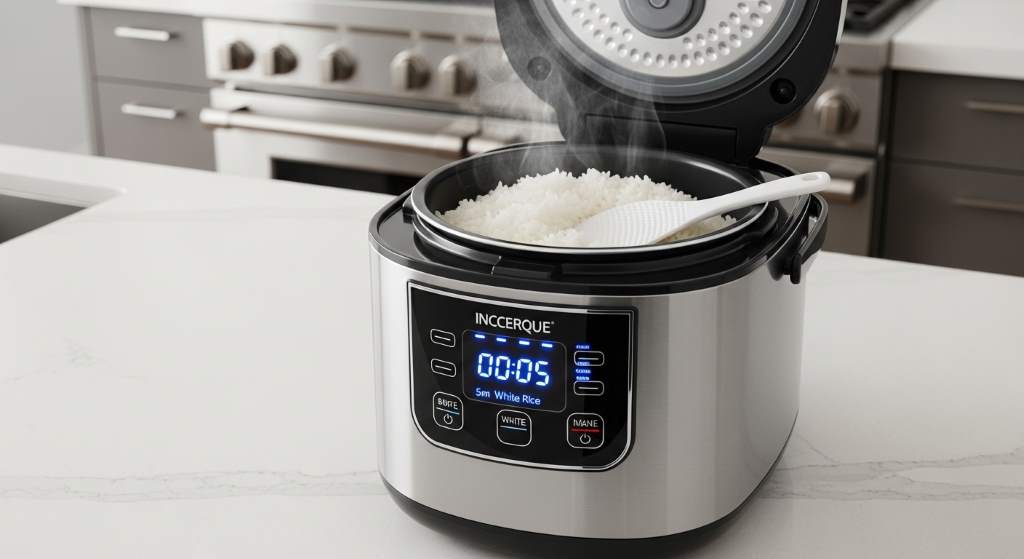
Electric Rice Cooker Review: Features That Actually Matter in 2026
Rice forms the heart of meals for billions of people worldwide. Families rely on it daily, and getting it right changes everything. Yet many struggle with stovetop cooking that leads to mushy or burnt results. Electric rice cookers solve this problem completely. They deliver consistent, fluffy grains with minimal effort.
According to the USDA Foreign Agricultural Service, global rice production reached over 521 million metric tons in the 2024/2025 season. Moreover, the FAO notes that rice supplies more than 20% of calories for half the world’s population. These numbers show why a reliable cooker matters so much.
In this electric rice cooker review, we focus on features that deliver real results. You will discover what separates average models from standout ones. Additionally, we explain how each element improves your cooking routine.
Why Electric Rice Cookers Beat Stovetop Cooking
People often ask why they need a dedicated appliance for rice. The answer lies in consistency and convenience. Stovetop methods demand constant attention. You adjust heat, watch for boiling over, and guess when it finishes.
Electric models handle everything automatically. They sense moisture levels and switch modes at the perfect moment. As a result, you avoid undercooked centers or scorched bottoms.
Furthermore, modern cookers preserve nutrients better. Studies show that precise temperature control retains more vitamins in grains. This matters for health-conscious households. On top of that, you free up stove space for other dishes.
Many users report saving time during busy evenings. You add rice and water, press a button, and walk away. The machine does the rest. This simple change transforms meal prep.
Choosing the Right Capacity for Your Needs
Capacity stands out as one of the first decisions buyers face. Manufacturers measure it in uncooked cups. A 3-cup model suits singles or couples. Meanwhile, 8-cup or 10-cup versions feed larger families.
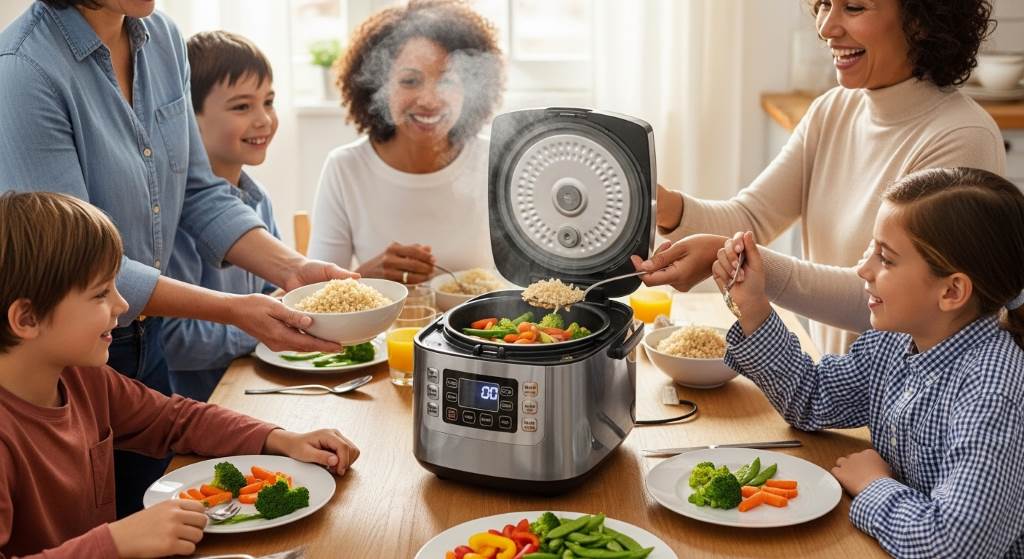
Consider your typical portions carefully. Leftovers store well, but oversized units waste energy on small batches. Conversely, undersized cookers force multiple rounds.
Experts recommend 5-6 cup models for most households. They balance flexibility and efficiency. For example, a 5-cup cooker prepares enough for four people plus extras.
Always check cooked yield too. One uncooked cup produces about two cooked cups. This detail helps you plan accurately. In addition, compact models fit small kitchens better.
Cooking Technology: The Heart of Performance
Not all rice cookers perform equally. Technology drives the biggest differences. Basic models use simple on/off heating. They work fine for white rice but struggle with variety.
Micom, or fuzzy logic, changes the game. Sensors monitor conditions inside the pot. The computer adjusts time and temperature automatically. Consequently, brown rice, sushi rice, or porridge turn out perfectly.
Induction heating takes performance higher. Coils create magnetic fields that heat the entire pot evenly. No hot spots form. Grains cook uniformly from edge to center.
Pressure induction combines both approaches. It builds steam pressure for faster cooking and better texture. Many premium models from brands like Zojirushi and Cuckoo use this method.
These advancements explain why experts praise induction models. Tests from Wirecutter and Serious Eats consistently rank them highest for texture.
Inner Pot Materials and Coatings
The inner pot touches your food directly. Material quality affects taste, health, and durability. Traditional non-stick coatings release easily but wear over time.
Ceramic coatings offer a healthier alternative. They resist scratching and contain no PTFE. Stainless steel pots appeal to those avoiding coatings entirely.
Some manufacturers add multi-layer construction. These pots distribute heat better and last longer. Thick bottoms prevent warping.
Look for clear measurement markings inside. They make accurate water ratios simple. Removable pots simplify serving and cleaning too.
High-quality pots retain heat during keep-warm cycles. This keeps rice fresh longer without drying.
Multi-Function Settings That Add Value
Modern rice cookers do more than rice alone. Many include steam trays for vegetables or fish. Others offer slow cooking, yogurt making, or even cake baking.
Dedicated settings matter greatly. A specific brown rice mode soaks and adjusts heat properly. Without it, grains often stay hard.
Porridge and congee functions provide creamy results safely. Soup modes simmer without boiling over. These extras turn one appliance into a kitchen multitool.
However, prioritize rice performance first. Extra functions help only if core cooking excels.
Keep-Warm Function and Extended Performance
Most models switch to keep-warm automatically after cooking. Basic versions hold temperature for 12 hours. Advanced ones extend this to 24 hours or more.
Extended keep-warm uses gentle heating cycles. It prevents bacterial growth while maintaining moisture. This feature shines for meal prep or staggered dinner times.
Some units reheat cold rice effectively too. Steam circulation restores texture without sogginess.
Tests show that superior keep-warm prevents crust formation. Rice stays fluffy even hours later.
Delay Timer for Perfect Timing
Delay timers let you load ingredients in the morning. Dinner cooks itself later. This feature fits busy schedules perfectly.
Advanced timers allow separate start times for different menus. You wake to fresh oatmeal or return to ready rice.
Safety sensors prevent spoilage. Units delay properly based on room temperature. This thoughtful design adds real convenience.
Ease of Cleaning and Maintenance
Cleaning affects daily enjoyment significantly. Removable inner lids and steam vents simplify wiping. Dishwasher-safe parts save even more effort.
Condensation collectors catch excess moisture. They prevent messy countertops. Non-stick or ceramic pots release stuck grains easily.
Regular maintenance extends appliance life. Descale occasionally if you have hard water. Simple habits keep performance strong.
Models with self-cleaning cycles steam the interior thoroughly. This removes odors and residue quickly.
Safety Features You Should Never Skip
Safety protects your home and family. Automatic shut-off prevents overheating. Cool-touch exteriors stay safe around children.
Lid locks contain steam during pressure cooking. Pressure release valves operate reliably. Overheat protection cuts power if needed.
Look for stable bases that resist tipping. Secure handles stay cool during use. These details matter in busy kitchens.
Reputable brands test rigorously for electrical safety. Certifications provide peace of mind.
Related:
6-Cup vs. Larger Rice Cookers: Pros, Cons, and the Perfect Pick for Your Home
Energy Efficiency and Environmental Impact
Energy use varies by model type. Induction heating often proves more efficient than traditional elements. It directs power precisely where needed.
Many units earn energy efficiency ratings. They consume less electricity over time. Standby modes draw minimal power.
Eco-conscious buyers appreciate durable construction. Long-lasting appliances reduce waste. Some brands use recycled materials too.
Small habits like correct water ratios improve efficiency further. Full loads maximize each cycle.
Smart Features and Connectivity
Newer models connect via apps. You monitor progress remotely or adjust settings. Voice control integrates with smart homes.
Recipe libraries guide new dishes. Automatic adjustments based on rice type simplify choices.
However, core performance matters more than gadgets. Choose connectivity only if it fits your lifestyle.
How These Features Work Together in Real Life
Sarah prepares dinner after work daily. She loads her induction cooker in the morning. The delay timer starts cooking at 5 PM. She arrives to perfect jasmine rice and steamed broccoli.
Meanwhile, Mike cooks brown rice weekly. His fuzzy logic model soaks and adjusts automatically. Grains emerge nutty and separate every time.
Families with kids appreciate quick oatmeal settings. Parents blend healthy breakfasts effortlessly. These stories show features solving real problems.
Common Mistakes Buyers Make
Many choose based on appearance alone. Performance suffers as a result. Others ignore capacity needs and buy too small.
Skipping reviews leads to disappointment. Read user experiences carefully. Moreover, cheap models often lack durable pots.
Forgetting cleaning ease creates frustration later. Prioritize removable parts from the start.
Conclusion
Great electric rice cookers transform routine meals. Focus on cooking technology, pot quality, capacity, and practical functions. These elements deliver consistent results day after day.
Consider your household size and rice varieties first. Then evaluate multi-functions and cleaning ease. The right combination saves time and reduces stress.
Start researching models that match these priorities. Your perfect rice awaits. Invest in features that truly improve your kitchen life.
FAQs
What capacity rice cooker suits a family of four?
A 5-6 cup uncooked model works best. It handles daily meals plus leftovers without excess space use.
Is fuzzy logic technology worth the extra cost?
Yes, for varied rice types. It adjusts cooking automatically and produces better texture across white, brown, and mixed grains.
How long does keep-warm function stay safe?
Premium models maintain safe temperatures for 24 hours. Basic versions manage 12 hours effectively with proper moisture.
Are ceramic pots healthier than non-stick?
Ceramic resists scratching and avoids PTFE chemicals. Both release food easily when quality remains high.
Can rice cookers prepare dishes beyond rice?
Many steam vegetables, make porridge, slow-cook soups, or bake cakes. Dedicated settings ensure proper results.
References
- USDA Foreign Agricultural Service Rice Production Data: https://www.fas.usda.gov/data/production
- FAO Rice Market Monitor: https://www.fao.org/markets-and-trade/commodities/rice/en
- Wirecutter Best Rice Cookers 2026: https://www.nytimes.com/wirecutter/reviews/the-best-rice-cooker
- Serious Eats Rice Cooker Testing: https://www.seriouseats.com/the-best-rice-cookers
