
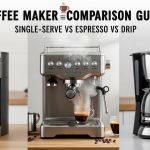


Coffee Maker Comparison Guide: Single-Serve vs Espresso vs Drip
Single-serve machines brew one cup quickly using pods or capsules. Espresso machines force pressurized water through fine grounds for concentrated shots. Drip coffee makers brew multiple cups by slowly filtering hot water through ground coffee.
Coffee is routine. But choosing the wrong machine turns that routine into frustration. Weak coffee. Long brew times. High costs. Maintenance headaches.
This coffee maker comparison guide breaks down the facts. No hype. No vague claims. Just real features comparison data, use-case analysis, and performance insights.
According to the National Coffee Association, over 60% of adults drink coffee daily. Yet many buyers choose machines based on price alone. That often leads to overspending on pods, under-extracted espresso, or wasted carafes of stale drip coffee.
Here’s what you need to know before buying.

Which Coffee Maker Is Best for Home Use?
Short answer: Drip coffee makers are best for families and high-volume drinkers. Single-serve machines suit convenience-focused users. Espresso machines are ideal for café-style drinks and control over flavor.
1. Single-Serve Coffee Machines
Single-serve machines use pre-measured pods or capsules. Insert pod. Press button. Coffee in under two minutes.
Best for:
- Busy professionals
- Small kitchens
- One-person households
- Minimal cleanup
Limitations:
- Higher long-term cost per cup
- Limited flavor flexibility
- Environmental waste (depending on pod type)
Case insight: A 2023 consumer spending study found pod-based systems cost 2–3x more per cup compared to ground coffee brewing over a year.
2. Espresso Machines
Espresso machines use 9–15 bars of pressure to extract concentrated coffee in 25–30 seconds.
Best for:
- Latte and cappuccino lovers
- Flavor control
- Home baristas
- Strong coffee preference
Limitations:
- Learning curve
- Higher upfront cost
- More cleaning
Data point: Entry-level espresso machines start around $150, while mid-range automatic systems range between $400–$1,200.
3. Drip Coffee Makers
Drip machines heat water to around 195–205°F and pass it through medium-ground coffee into a carafe.
Best for:
- Families
- Offices
- Budget-conscious buyers
- Bulk brewing
Limitations:
- Slower brewing (5–10 minutes)
- Less intensity than espresso
Drip coffee remains the most widely used brewing method in American households.
How Does the Coffee Machine Comparison Chart Break It Down?
Short answer: Compare cost, brew time, maintenance, customization, and cost per cup to identify the right fit.
| Feature | Single-Serve | Espresso | Drip |
|---|---|---|---|
| Brew Time | 1–2 minutes | 25–30 seconds (shot) | 5–10 minutes |
| Cost Per Cup | $0.50–$1.00 | $0.30–$0.70 | $0.15–$0.30 |
| Initial Cost | $60–$250 | $150–$1,200+ | $30–$250 |
| Customization | Low–Medium | High | Medium |
| Maintenance | Low | Medium–High | Low |
| Best For | Convenience | Flavor Control | Volume Brewing |
This coffee machine comparison chart simplifies decision-making. Focus on long-term cost and usage patterns.
What Features Comparison Should Buyers Pay Attention To?
Short answer: Look at brewing pressure, water temperature control, programmability, milk frothing, filter type, and descaling requirements.
Brewing Pressure
Espresso requires 9 bars minimum. Without pressure, you won’t get crema or proper extraction.
Water Temperature Stability
Optimal extraction happens between 195°F and 205°F. Inconsistent heating leads to sour or bitter coffee.
Programmability
- Auto-start timers
- Brew strength control
- Cup size settings
Milk Frothing System
Essential for cappuccino and latte drinkers. Manual steam wands offer more control. Automatic frothers provide convenience.
Filter System
- Paper filters (clean taste)
- Reusable metal filters (eco-friendly)
- Pod systems (pre-measured)
Maintenance and Descaling
Hard water buildup reduces performance. Most machines require descaling every 1–3 months.
Is Single-Serve More Expensive Over Time?
Short answer: Yes, pod systems typically cost more annually than drip or espresso using ground coffee.
Let’s calculate.
- Average pod cost: $0.70
- 1 cup daily for 365 days = $255/year
- Ground coffee average cost per cup: $0.20
- 1 cup daily for 365 days = $73/year
Difference: $182 annually.
Over 5 years, that’s $910 extra.
If convenience outweighs cost, single-serve works. If budget matters, drip or espresso wins.
Which Coffee Maker Produces the Strongest Coffee?
Short answer: Espresso machines produce the strongest coffee by concentration.
Espresso contains roughly 63 mg of caffeine per 1-ounce shot. Drip coffee averages 95 mg per 8-ounce cup. While drip has more total caffeine per cup, espresso is more concentrated.
If intensity matters, choose espresso.
What Are the Maintenance Requirements?
Short answer: Drip machines require basic cleaning. Single-serve needs pod disposal and descaling. Espresso machines demand regular deep cleaning.
Drip:
- Wash carafe daily
- Replace filters
- Descale quarterly
Single-Serve:
- Empty pod bin
- Clean needle mechanism
- Descale every 2–3 months
Espresso:
- Backflush weekly
- Clean steam wand after each use
- Descale regularly
Neglect maintenance and performance drops fast.
How Does Taste Compare Between the Three?
Short answer: Espresso offers bold, concentrated flavor. Drip provides balanced and smooth coffee. Single-serve depends heavily on pod quality.
Flavor factors include:
- Grind size
- Water temperature
- Brew time
- Coffee freshness
Freshly ground beans consistently outperform pre-packed pods in blind taste tests.
What About Environmental Impact?
Short answer: Drip with reusable filters has the lowest environmental footprint. Pod systems generate more waste.
Some brands now offer recyclable pods, but recycling rates remain low globally.
Ground coffee with compostable filters is the most sustainable option.
Which Coffee Maker Is Best for Small Kitchens?
Short answer: Single-serve machines take the least counter space.
Most compact units measure under 12 inches wide. Espresso machines with grinders require more room.
If space is limited, measure carefully before buying.
Should You Choose Automatic or Manual Systems?
Short answer: Automatic machines prioritize convenience. Manual systems offer control.
Fully automatic espresso machines grind, tamp, and brew at one touch. Manual machines require technique but produce better results in skilled hands.
Ask yourself: Do you want speed or precision?
Conclusion: Which Coffee Maker Should You Choose?
Choosing between single-serve, espresso, and drip comes down to daily habits.
If you want speed and simplicity, single-serve works. Expect higher long-term cost.
If you want café-style drinks and control, espresso delivers. Be ready for maintenance.
If you brew for multiple people and care about budget, drip is practical and reliable.
Use the coffee machine comparison chart above. Review your daily consumption. Calculate yearly cost. Think long term.
Next Step: Compare top-rated models in your budget range. Read verified buyer reviews. And choose based on usage, not trends.
Your morning routine deserves the right machine.
Frequently Asked Questions (FAQ)
1. Which coffee maker is most cost-effective?
Answer: Drip coffee makers are typically the most cost-effective due to low cost per cup and affordable machines.
2. Is espresso stronger than drip coffee?
Answer: Espresso is stronger by concentration, but drip coffee often contains more caffeine per serving.
3. Are single-serve coffee machines worth it?
Answer: They are worth it for convenience and speed, but cost more over time compared to ground coffee brewing.
4. How long does a coffee maker last?
Answer: Most machines last 3–7 years with proper maintenance and regular descaling.
5. Do espresso machines require special coffee?
Answer: Espresso requires finely ground coffee for proper extraction and pressure flow.
6. What is the best coffee maker for beginners?
Answer: Drip coffee makers are beginner-friendly due to simple setup and minimal technique required.
7. How often should I descale my coffee machine?
Answer: Every 1–3 months depending on water hardness and usage frequency.
Related Topics: Edible Landscapes: Combining Beauty and Bounty in Your Canadian Garden
What Next: Embrace the Dark Side: The Rise of Goth Gardens in Canada’s Trendy Spaces
