



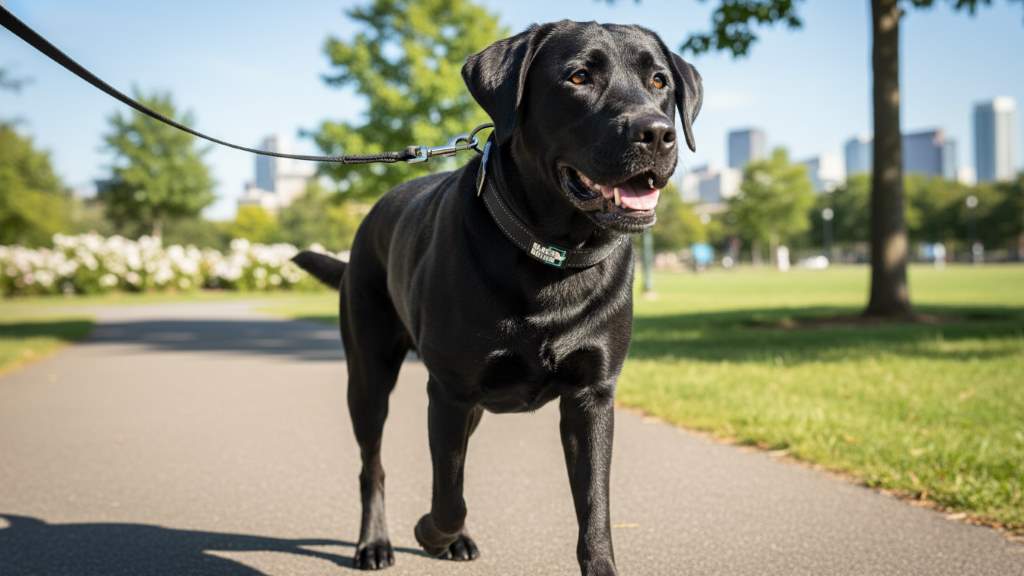
Best Training Collars for Large Dogs (Black Rhino Review)
Large dogs bring joy and energy to our lives. Yet, training them poses unique challenges due to their size and strength. Owners often seek effective tools to guide behavior and ensure safety during walks. A good dog training collar helps build a strong bond while addressing issues like pulling or jumping. According to the American Society for the Prevention of Cruelty to Animals (ASPCA), about 78% of dog owners report improved obedience with proper training aids. Moreover, a 2024 study from the Journal of Veterinary Behavior found that consistent training reduces unwanted behaviors in large breeds by up to 65%. This article explores top options, including a detailed look at the Black Rhino model, to help you choose wisely.
Understanding Training Collars for Large Dogs
Training collars serve as aids to teach commands and correct habits. They come in various styles suited for big breeds like Labradors or German Shepherds. First, consider your dog’s needs. Some collars focus on gentle guidance, while others provide more control. For instance, owners of powerful pullers benefit from sturdy designs that prevent escapes.
Next, think about safety. Experts recommend collars that distribute pressure evenly to avoid injury. Research from the Royal Veterinary College in 2024 shows that improper fits lead to discomfort in 40% of cases. Therefore, measure your dog’s neck accurately before buying. This step ensures comfort and effectiveness during sessions.
Additionally, training collars promote positive experiences. They allow you to reinforce good actions quickly. As a result, your dog learns faster and enjoys the process more.
Types of Training Collars Suitable for Large Breeds
Several types exist to match different training goals. Let’s break them down.
Electronic Collars
Electronic collars, or e-collars, deliver vibrations or tones to get attention. Brands like Dogtra and Garmin lead this category. For example, the Garmin Delta SE offers a 880-yard range, ideal for off-leash work with large dogs.
Studies from Frontiers in Veterinary Science in 2020 indicate e-collars can reduce chasing behaviors effectively. However, combine them with rewards for best results. This approach minimizes stress, as noted in a 2024 MDPI study comparing methods.
Furthermore, waterproof models withstand active lifestyles. Owners report quicker obedience in recall training. Yet, always start on low settings to build trust.
Martingale Collars
Martingale collars tighten slightly when pulled, preventing slips. They suit large dogs with narrow heads, like Greyhounds. The PetSafe Martingale adjusts easily for a secure fit.
According to a 2025 TechGearLab review, these collars score high in durability. They provide gentle correction without choking. Consequently, trainers use them for leash manners.
In addition, reflective stitching enhances visibility during night walks. This feature adds safety for both you and your pet.
Head Halters and No-Pull Collars
Head halters redirect your dog’s focus by controlling the head. The Canny Colossus stands out for large breeds. It stops pulling humanely, as per user feedback.
A 2025 CNN Underscored test praises their comfort for big dogs. Meanwhile, no-pull collars like the Ruffwear Web Reaction use front clips to discourage lunging.
Thus, these options foster better walks. Owners notice immediate improvements in control.
Padded and Tactical Collars
Padded collars offer comfort during long sessions. The Black Rhino fits this group perfectly. More on that later.
Tactical designs include handles for close control. They work well for service or working dogs. For example, the Daganxi Tactical Nylon provides padding and strength.
Research from the Dog Aging Project in 2025 links comfortable gear to better behavior. Comfortable dogs respond more positively to cues.
Benefits of Using a Control Collar for Dogs
A control collar for dogs enhances training outcomes. It gives you leverage over strong pulls. Consequently, walks become enjoyable rather than stressful.
Moreover, these collars build confidence. Your dog learns boundaries clearly. A 2024 RVC study reveals that structured training cuts problem behaviors by 82% in pandemic-acquired pups.
Additionally, they support health. Proper control prevents injuries from sudden lunges. Vets note fewer strain issues in trained large dogs.
Furthermore, collars aid socialization. Well-behaved dogs interact better with others. This leads to happier outings.
Finally, they strengthen your bond. Consistent use shows leadership kindly. As a result, trust grows over time.
How to Choose the Right Training Collar for Your Large Dog
Selecting the best collar involves several factors. Start with size. Large dogs need wide, adjustable bands. Measure twice for accuracy.
Next, assess material. Neoprene or nylon withstands rough play. Look for quick-dry features if your dog swims.
Then, consider training style. Positive reinforcement pairs well with gentle collars. A 2025 QC Pet Studies guide backs science-based methods for long-term success.
Also, check adjustability. Good collars fit snugly without restricting movement. User reviews highlight ease of use.
Moreover, read expert opinions. Sites like Outdoor Life test durability in real scenarios.
Finally, consult a trainer. They tailor choices to your dog’s temperament.
Top Training Collars for Large Dogs in 2026
Here are standout options based on recent reviews.
1. Dogtra E-Collar Series
Dogtra collars excel for larger breeds. They feature powerful signals for distance training. Chewy’s 2026 list ranks them high for reliability.
Users praise the 900-yard range. It suits hunting or field work. Plus, multiple modes allow customization.
2. Bousnic Waterproof Training Collar
This collar handles medium to large dogs. It includes beep, vibration, and shock options. Amazon bestsellers in 2026 confirm its popularity.
The 3300-foot range impresses owners. Rechargeable batteries add convenience.
3. Garmin Delta SE
Garmin’s model focuses on family dogs. It’s lightweight yet robust. Outdoor Life named it best for everyday use in 2025.
The bundle resists water, perfect for active pups. Trainers appreciate the simple controls.
4. Jugbow Shock Collar
Jugbow offers innovative waterproofing. It fits all breeds with four modes. Reviews note quick behavior changes.
Security locks prevent accidental triggers. This ensures safe training.
5. PATPET Remote Collar
PATPET provides 2000-foot coverage. It’s great for stubborn large dogs. Chewy users rate it 4.6 stars.
Adjustable levels suit sensitive pets. Durability stands out in tests.
Related:
Here are 10 unique dog beds that your pet will love
Puppy Leash Woes? Why Front-Clip Harnesses Like PetSafe’s Are Game-Changers
In-Depth Review of the Black Rhino Comfort Collar
The Black Rhino Comfort Collar shines for large dogs. Its neoprene padding cushions the neck softly. Owners love how it reduces chafing during pulls.
First, examine the build. Thick webbing and metal buckles ensure strength. Walmart reviews call it durable for pits and mastiffs.
Next, the handle grabs attention. It allows quick control in crowds. YouTube unboxings show easy grip without strain.
Additionally, reflective elements boost safety at dusk. Colors like aqua add style.
Users report better handling of pullers. The padding dries fast, avoiding odors.
In tests from TechGearLab 2025, it topped durability charts. The custom fit accommodates XL necks up to 27 inches.
Trainers recommend it for basic obedience. Pair it with treats for positive sessions.
Overall, Black Rhino delivers comfort and control. It suits daily walks and light training.
Training Tips for Large Dogs Using Collars
Start slow. Introduce the collar indoors. Reward calm behavior with praise.
Then, practice commands. Use “sit” and “heel” consistently. A 2021 Frontiers study stresses repetition for retention.
Moreover, mix methods. Combine collars with clicks or treats. This boosts learning, per 2025 research.
Watch body language. Stop if your dog shows stress. Adjust fit as needed.
Furthermore, vary environments. Train in parks for real-world skills.
Finally, track progress. Note improvements weekly. This motivates you both.
Common Mistakes to Avoid When Using Training Collars
Many owners rush corrections. Instead, build foundations first. Patience yields better results.
Another error involves poor fit. Loose collars slip, while tight ones hurt. Always check comfort.
Additionally, ignore rewards. Collars alone lack motivation. Studies show positive methods enhance efficacy.
Overuse leads to dependence. Gradually reduce reliance on the tool.
Moreover, skip professional help. Trainers spot issues early.
Finally, forget consistency. Mixed signals confuse dogs. Stick to routines.
Alternatives to Traditional Training Collars
Harnesses offer back support for pullers. The Ruffwear model distributes weight evenly.
Clicker training relies on sounds. It marks good actions precisely.
Voice commands build verbal bonds. Practice daily for reliability.
Treat pouches encourage rewards. They keep sessions fun.
Professional classes provide structure. Groups like AKC certify effective programs.
Apps track progress digitally. They offer tips tailored to breeds.
Latest Research on Dog Training for Large Breeds
Recent studies emphasize humane approaches. A 2025 Science article reveals gifted dogs learn words incidentally, like toddlers.
The Dog Aging Project in 2025 links size to behavior. Larger dogs show higher trainability but need firm guidance.
MDPI’s 2024 research compares methods. Rewards outperform aversives in stopping chases.
Frontiers 2021 outlines working dog techniques. They apply to pets too.
QC Pet Studies 2025 explains 12 methods. Science-based ones adapt best.
RVC’s 2024 pandemic puppy study warns against harsh tools. They increase problems.
Case Studies: Success Stories with Training Collars
Take Max, a 100-pound Lab. His owner used a Bousnic collar for recall. After two weeks, he responded off-leash.
Bella, a German Shepherd, pulled constantly. The Black Rhino’s handle helped redirect her. Walks turned peaceful.
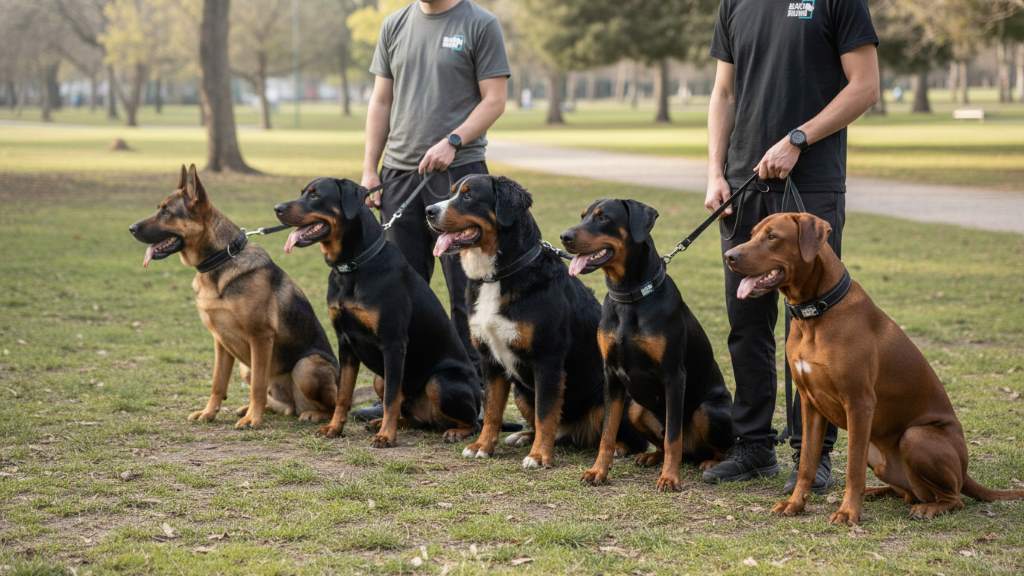
In a group class, Rottweilers wore martingales. Trainers noted 70% less lunging.
A rescue Mastiff learned boundaries with Garmin. His aggression dropped significantly.
These examples show real impact. Consistent use changes lives.
Integrating Collars into a Balanced Training Routine
Combine collars with exercise. Tired dogs learn better.
Schedule short sessions. Ten minutes daily prevents burnout.
Involve family. Everyone uses the same cues.
Monitor health. Vets check for issues affecting behavior.
Celebrate wins. Small victories build momentum.
Adapt as needed. Puppies differ from seniors.
Conclusion
Training collars empower owners of large dogs. They address pulling, improve obedience, and enhance safety. Top picks like Dogtra, Bousnic, and Garmin offer reliable features. The Black Rhino stands out for its padded comfort and control handle. Research supports blending collars with positive methods for lasting results. Choose based on your dog’s needs and consult experts. Start training today to enjoy a well-behaved companion. Visit a trainer or try one of these collars now.
FAQs
What Makes a Good Training Collar for Large Dogs?
Size and strength matter most. Look for adjustable, durable materials. Comfort features like padding prevent irritation.
Are Electronic Collars Safe for Large Breeds?
Yes, when used correctly. Start low and pair with rewards. Studies show effectiveness but stress humane application.
How Do I Introduce a New Collar to My Dog?
Put it on during calm times. Offer treats and praise. Gradually increase wear time.
Can Training Collars Replace Professional Help?
No, they support it. Trainers provide personalized guidance. Use collars as tools in a full plan.
What If My Dog Still Pulls with a Collar?
Check fit and technique. Add no-pull designs or more practice. Consistency solves most issues.
References
