




Box Gable Roof Ventilation Options
Proper attic ventilation is essential for maintaining a healthy home. Box gable roofs, with their distinctive rectangular shape and vertical end walls, require strategic ventilation planning. Without adequate airflow, moisture buildup and heat accumulation can damage your roof structure and increase energy costs. This guide explores the most effective ventilation options for box gable roofs.
Understanding Box Gable Roof Ventilation Needs
Box gable roofs feature two sloping sides that meet at a central ridge. The triangular ends, called gables, provide natural opportunities for ventilation. However, these roofs need balanced intake and exhaust ventilation to function properly.
Air must enter through lower points and exit through higher points. This creates continuous airflow that removes heat and moisture. Additionally, proper ventilation extends roof lifespan by preventing ice dams in winter and reducing cooling costs in summer.
Gable Vent Installation
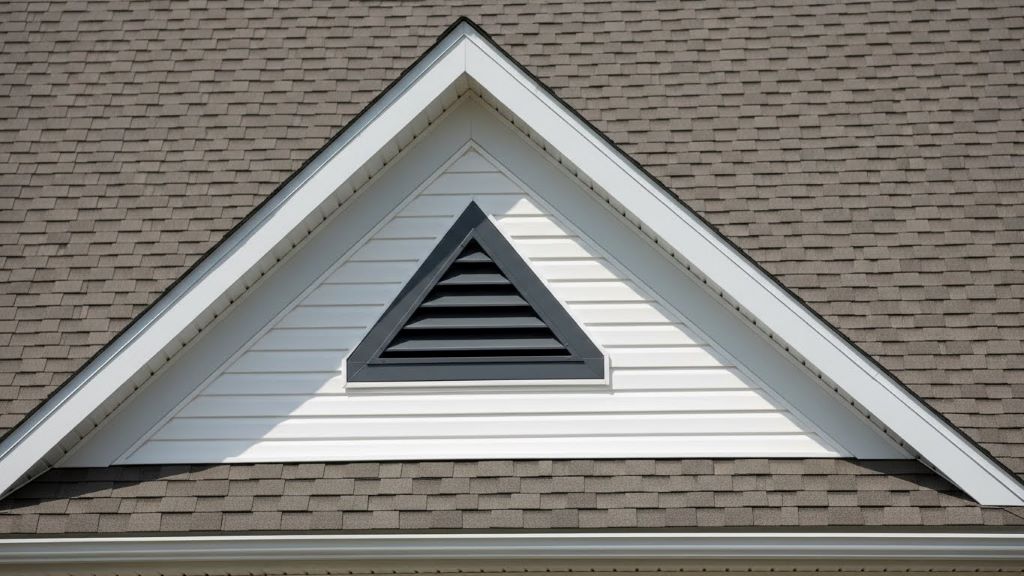
Gable vents are the most common ventilation solution for this roof style. These vents install directly into the gable ends, allowing air to flow horizontally through the attic space.
Triangular or rectangular gable vents come in various sizes and materials. Wood, vinyl, and aluminum options blend with different home styles. Therefore, choosing the right size matters significantly for ventilation effectiveness.
Most building codes recommend one square foot of ventilation for every 300 square feet of attic space. However, this ratio can change based on your climate and specific building requirements. Gable vents work best when installed on opposite ends of the attic to promote cross-ventilation.
Ridge Vent Systems
Ridge vents run along the entire peak of your roof. These low-profile ventilation systems provide excellent exhaust capabilities for box gable roofs.
The continuous design allows hot air to escape naturally along the entire ridge line. Moreover, ridge vents remain virtually invisible from ground level, preserving your home’s aesthetic appeal. They require corresponding intake vents, typically soffit vents, to function effectively.
Professional installation ensures proper placement and weatherproofing. Ridge vents work exceptionally well in combination with gable vents, creating multiple exhaust points. According to This Old House, proper ridge vent installation significantly improves attic ventilation efficiency.
Soffit Vents for Intake
Soffit vents install under the roof’s overhang, providing crucial intake ventilation. These vents allow cool air to enter the attic from below.
Continuous soffit vents offer consistent airflow along the entire eave length. Alternatively, individual vent panels space evenly under the soffit. Both options work effectively when paired with gable or ridge vents.
The key is maintaining an unobstructed path from soffit to exhaust vents. Insulation should never block soffit vents, as this defeats their purpose. Furthermore, installing baffles between rafters ensures airflow channels remain clear.
Turbine Ventilators
Turbine vents, also called whirlybirds, use wind power to extract air from attics. These spinning metal vents mount near the roof ridge.
Wind causes the turbine to rotate, creating suction that pulls hot air out. Therefore, turbine vents work more effectively on windy days. They require no electricity and provide excellent ventilation capacity.
However, turbine vents may produce noise in high winds. Additionally, they are more visible than other options, which may not suit every home’s appearance. Each turbine typically covers 150 square feet of attic space.
Powered Attic Ventilators
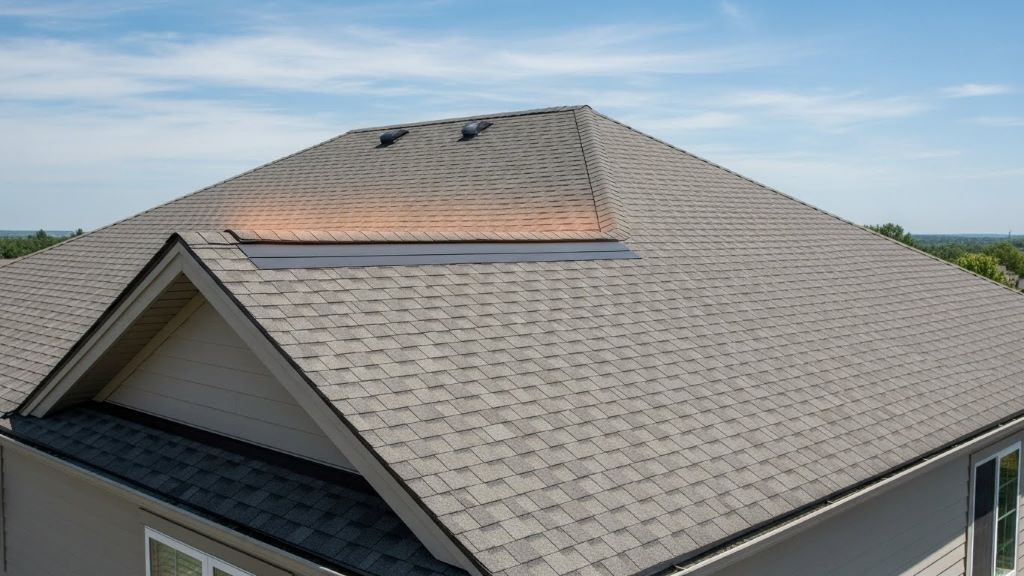
Electric attic fans provide mechanical ventilation for box gable roofs. These fans mount on the roof surface or gable end wall.
Thermostats control when fans activate based on attic temperature. This automation ensures ventilation occurs when needed most. Moreover, some models include humidity sensors for moisture control.
Powered ventilators work quickly to exhaust large volumes of hot air. However, they consume electricity and require maintenance. The cost-benefit analysis depends on your climate and energy rates. According to the Department of Energy, proper passive ventilation often performs just as effectively as powered systems.
Combination Ventilation Strategies
The most effective approach often combines multiple ventilation types. Box gable roofs benefit from integrated systems that maximize airflow.
A common strategy pairs soffit vents for intake with both gable and ridge vents for exhaust. This creates multiple pathways for air movement. Additionally, the combination approach provides backup ventilation if one system becomes blocked.
Balance is critical when combining ventilation methods. Too much exhaust without adequate intake creates negative pressure. Conversely, excess intake without sufficient exhaust traps hot air inside.
Choosing the Right Ventilation Option
Several factors influence the best ventilation choice for your box gable roof. Climate plays a significant role in determining ventilation needs.
Hot, humid climates require robust ventilation to prevent moisture problems. Cold climates need ventilation to prevent ice dams and condensation. Furthermore, your attic size and roof pitch affect which systems work best.
Budget considerations matter too. Gable vents offer affordable solutions, while powered systems cost more upfront. However, proper passive ventilation often provides the best long-term value with minimal maintenance.
Installation Considerations
Professional installation ensures ventilation systems work correctly. Improper placement or sizing reduces effectiveness and may void warranties.
Installers must calculate the correct ventilation area for your attic size. They also ensure proper sealing around vents to prevent leaks. Additionally, professionals coordinate intake and exhaust systems for balanced airflow.
DIY installation is possible for some vent types. Gable vents are relatively straightforward for experienced homeowners. However, ridge vents and powered systems typically require professional expertise.
Maintenance and Troubleshooting
Regular maintenance keeps ventilation systems functioning properly. Annual inspections identify blocked vents or damaged components.
Check gable vents for debris, insect nests, or paint covering the openings. Clean soffit vents to remove dust and cobwebs. Moreover, inspect ridge vents for missing sections or damaged shingles around the installation.
Signs of inadequate ventilation include ice dams, excessive attic heat, moisture stains, or musty odors. These problems indicate the need for ventilation improvements.
Conclusion
Box gable roof ventilation requires careful planning and proper execution. The best approach balances intake and exhaust ventilation through strategic placement of vents. Gable vents provide natural horizontal airflow, while ridge vents offer continuous exhaust along the roof peak. Soffit vents deliver essential intake ventilation, and powered options add mechanical assistance when needed.
Choosing the right ventilation system depends on your climate, budget, and specific roof characteristics. Therefore, consulting with roofing professionals helps ensure optimal results. Proper ventilation protects your roof investment, reduces energy costs, and maintains a healthier home environment. Regular maintenance keeps these systems working effectively for years to come.
Frequently Asked Questions
How many gable vents does my box gable roof need?
Most roofs need one square foot of ventilation per 300 square feet of attic space, split between intake and exhaust. A typical box gable roof uses one gable vent on each end, sized appropriately for the attic volume. However, larger attics may require additional ventilation through ridge vents or powered systems.
Can I combine gable vents with ridge vents?
Yes, combining gable and ridge vents creates excellent airflow when properly balanced with intake vents. This combination provides multiple exhaust paths and backup ventilation. However, ensure adequate soffit vents supply sufficient intake air for both exhaust systems to function effectively.
Do powered attic fans save money on cooling costs?
Powered attic fans reduce attic temperatures but may not significantly lower cooling costs. They consume electricity and can pull conditioned air from living spaces if intake ventilation is inadequate. Properly designed passive ventilation systems often provide better cost-effectiveness without ongoing energy expenses.
How do I know if my box gable roof has enough ventilation?
Signs of adequate ventilation include consistent attic temperatures, no moisture stains, absence of ice dams in winter, and no musty odors. Additionally, your attic temperature should not exceed outdoor temperature by more than 10-20 degrees on hot days. Infrared thermometers help measure attic temperatures accurately.
Should soffit vents be installed with all gable roof ventilation systems?
Yes, soffit vents provide essential intake ventilation for all exhaust systems. Without proper intake, exhaust vents cannot function effectively. The intake area should roughly equal the exhaust area for balanced airflow. Therefore, soffit vents are critical components of any complete ventilation system.
Related Topics:
How to Clean Solar Panels on a Pitched Roof: A Comprehensive Guide
