




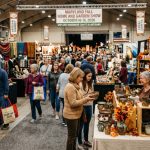

Antique Garden Tools Making a Stylish Comeback in British Gardens
Gardening in Britain has always been more than a hobby—it’s a cultural tradition. But lately, a fascinating trend is sweeping across the UK’s lush landscapes: antique garden tools are making a stylish comeback in British gardens. These vintage implements, once tucked away in sheds or forgotten in estate auctions, are now being celebrated for their craftsmanship, sustainability, and aesthetic charm.
Why Antique Garden Tools Are Back in Vogue
Modern gardeners are increasingly drawn to tools that tell a story. Antique garden tools, with their weathered wood handles and forged iron blades, offer a tactile connection to the past. According to The English Garden, these tools are admired not just for their functionality but for the nostalgia they evoke. Their resurgence is fueled by a growing desire for authenticity in outdoor spaces.
Additionally, the rise of cottagecore and vintage aesthetics on social media platforms like Instagram and Pinterest has amplified interest. Garden influencers and designers showcase antique watering cans, dibbers, and spades as decorative elements that double as practical tools.
Built to Last: The Durability Factor
Unlike many mass-produced tools today, antique garden tools were built to endure. Crafted from hardwoods like ash and oak and forged by blacksmiths, these implements often outlive their owners. A study by Home As We Make It highlights that copper hand trowels and cast iron watering cans from the early 20th century remain fully functional and even outperform modern equivalents.
The longevity of these tools is not just anecdotal. Collectors report that with minimal maintenance—such as oiling wooden handles and removing rust—these tools can be used for decades. This durability makes them a sustainable choice, reducing the need for frequent replacements and lowering environmental impact.

Sustainability Meets Style
In an era where sustainability is paramount, antique garden tools offer a compelling alternative to plastic and disposable options. Their reuse aligns with eco-conscious gardening practices. According to the Old Garden Tools Museum, many of these tools were designed with replaceable parts, allowing gardeners to repair rather than discard them.
Moreover, repurposing old tools reduces landfill waste and supports circular economy principles. Gardeners who choose vintage tools often find themselves part of a larger movement that values heritage, craftsmanship, and environmental stewardship.
The Collector’s Market Is Booming
Antique garden tools have become hot commodities in the collector’s market. Prices for rare items like cucumber straighteners or Victorian pruning shears can reach hundreds of pounds. On platforms like Etsy and eBay, listings for English-made cultivators and forks regularly sell out.
Collectors are not just hobbyists—they’re historians preserving a slice of horticultural heritage. Some tools are even displayed in museums or used as props in period dramas. The Old Garden Tools website features thousands of items, showcasing the breadth of designs and innovations from the 18th to 20th centuries.
Practical Use in Modern Gardens
Despite their age, antique garden tools are not just for show. Many gardeners swear by their ergonomic design and superior balance. For example, forged garden forks from the Victorian era were crafted to reduce fatigue, making them ideal for heavy soil work.
Additionally, tools like galvanized seed dibbers ensure consistent planting depth, improving germination rates. These features demonstrate that antique tools can enhance gardening efficiency while adding character to the garden.
Opinions from Garden Experts
Monty Don, host of BBC’s Gardeners’ World, has often praised traditional tools for their reliability and charm. He notes that older tools “feel right in the hand” and “connect us to generations of gardeners before us.” Other experts argue that the resurgence is more than aesthetic—it’s a return to quality over quantity.
However, some critics caution that not all antique tools are suitable for daily use. They recommend inspecting items for structural integrity and avoiding those with excessive rust or loose joints. Still, with proper care, most vintage tools can be restored to working condition.
Where to Find Antique Garden Tools
Finding authentic antique garden tools requires a bit of digging—pun intended. Local estate sales, vintage fairs, and online marketplaces are treasure troves. Websites like Old Garden Tools and Etsy offer curated selections with detailed descriptions and provenance.
Buyers should look for markings such as “Made in England” or brand stamps like Sheffield, which indicate quality craftsmanship. It’s also wise to compare prices and read seller reviews to ensure authenticity.
Featured Snippet: Why Are Antique Garden Tools Making a Stylish Comeback in British Gardens?
Antique garden tools are making a stylish comeback in British gardens due to their timeless craftsmanship, sustainability, and aesthetic appeal. These vintage implements offer durability unmatched by modern counterparts and evoke a sense of nostalgia that resonates with today’s gardeners. Their resurgence is driven by eco-conscious values, social media trends, and a renewed appreciation for heritage. Collectors and hobbyists alike are embracing these tools not only for their functionality but also as decorative elements that enrich garden spaces.
Frequently Asked Questions (FAQs)
Are antique garden tools still usable?
Yes, many are fully functional with minor restoration like oiling handles or removing rust.
Where can I buy antique garden tools?
You can find them on platforms like Etsy, eBay, and at vintage fairs or estate sales.
How do I maintain antique garden tools?
Clean them after use, apply linseed oil to wooden parts, and store in a dry place.
What makes antique tools better than modern ones?
They’re often handcrafted, more durable, and ergonomically designed for long-term use.
Are antique garden tools expensive?
Prices vary. Common tools may cost £20–£50, while rare items can exceed £200.
Can antique tools be used decoratively?
Absolutely. Many gardeners use them as rustic decor in sheds, patios, or garden walls.
What are the most collectible antique garden tools?
Cucumber straighteners, Victorian pruning shears, and cast iron watering cans are highly sought after.
Related Topic: Long Does a Shingle Roof Last
Final Thought
Antique garden tools are more than relics—they’re timeless companions in the art of gardening. Their comeback in British gardens reflects a deeper shift toward sustainability, craftsmanship, and meaningful connections to the past. Whether you’re a seasoned gardener or a curious collector, embracing these vintage treasures can transform your garden into a story-rich sanctuary.
Ready to dig into the past? Start your collection today and let your garden bloom with history.
