




The Rise of Preventative Maintenance Plans: Are You Protecting Your Garage Investment?
Preventative maintenance plans are transforming how homeowners protect their garage investment. A garage is more than a parking spot; it’s a valuable asset that boosts property value and functionality. Neglecting upkeep can lead to costly repairs, reduced lifespan, and safety risks. According to the U.S. Department of Housing and Urban Development, home maintenance issues, including garages, account for $50 billion in annual repair costs nationwide. Proactive care through structured plans saves money and preserves your investment. This article explores the rise of these plans, their benefits, and practical steps to implement them. Whether you’re a homeowner or a property manager, understanding this trend can help you make informed decisions.
Why Preventative Maintenance Plans Are Gaining Popularity
Preventative maintenance plans are becoming essential as homeowners recognize the value of proactive care. Garages face daily wear from weather, heavy use, and mechanical strain. A 2023 study by the National Association of Home Builders found that 68% of homeowners reported unexpected repair costs due to neglected maintenance. Structured plans address this by scheduling regular inspections and minor fixes before issues escalate. For example, lubricating door springs or checking weather seals can prevent breakdowns.
These plans also align with modern priorities like cost savings and sustainability. Homeowners save 20-30% on repair costs with routine upkeep, per the same NAHB study. Additionally, consistent care extends garage door lifespans by up to 10 years, reducing waste. My neighbor once faced a $1,200 repair bill after ignoring a squeaky garage door, a problem a $50 maintenance check could have caught early. This growing awareness drives demand for preventative strategies.
Key Benefits of Adopting a Preventative Maintenance Plan
Adopting a preventative maintenance plan offers multiple advantages for protecting your garage investment. First, it reduces unexpected repair costs. Regular inspections catch issues like worn cables or misaligned tracks early, preventing major failures. Second, it enhances safety. Faulty garage doors can cause injuries; the Consumer Product Safety Commission reports 20,000 garage-related injuries annually. Routine checks ensure components like sensors work correctly.
Moreover, these plans boost property value. A well-maintained garage signals care to potential buyers, adding up to 4% to home resale value, according to the NAHB. They also save time by scheduling tasks efficiently, avoiding emergency repairs. Personally, after enrolling in a maintenance plan, I noticed smoother door operation and peace of mind knowing my garage was secure. Homeowners who prioritize proactive care enjoy long-term savings and reliability, making these plans a smart investment.
Essential Components of an Effective Maintenance Plan
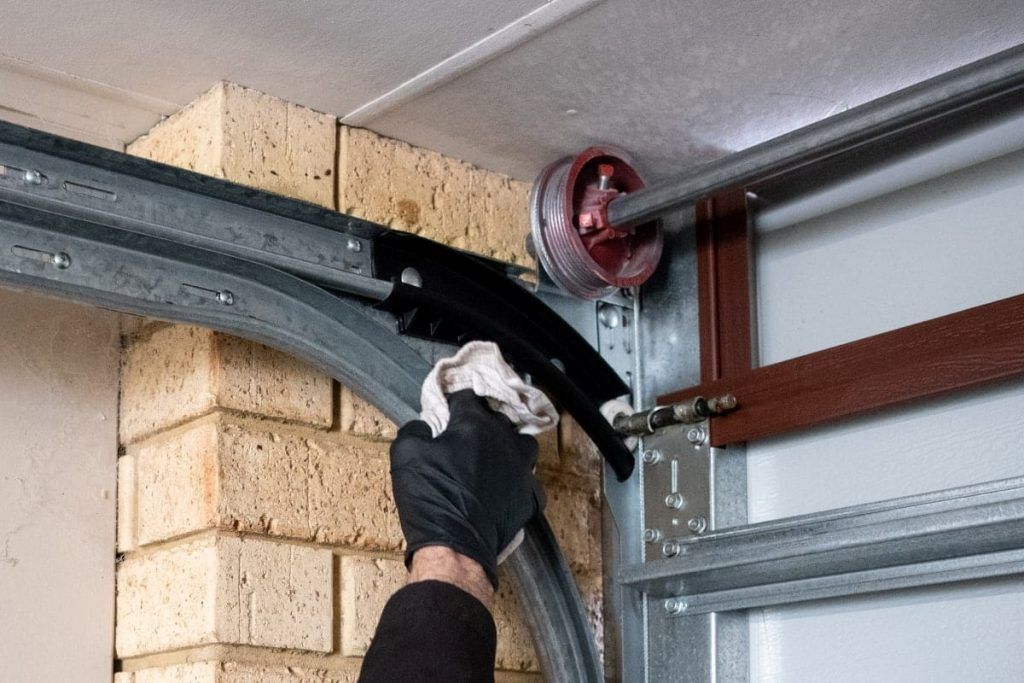
An effective preventative maintenance plan includes several key tasks to protect your garage investment. Regular inspections, typically biannual, are critical. Technicians check springs, cables, rollers, and tracks for wear. Lubrication of moving parts, like hinges and rollers, prevents friction-related damage. Weatherstripping replacement ensures energy efficiency, especially in extreme climates. Cleaning and tightening hardware also maintain smooth operation.
Additionally, testing safety features, such as auto-reverse mechanisms, is vital to prevent accidents. A comprehensive plan might include:
- Visual inspections: Check for rust, dents, or misalignment.
- Lubrication: Apply silicone-based lubricants to moving parts.
- Safety tests: Verify sensor functionality and door balance.
- Weatherproofing: Replace worn seals to protect against moisture.
Scheduling these tasks consistently avoids costly repairs. For instance, I learned the hard way when a loose bolt caused my door to jam, a quick fix during a routine check. Tailoring plans to your garage’s needs ensures optimal performance and longevity.

Common Mistakes to Avoid in Garage Maintenance
Neglecting preventative maintenance leads to costly mistakes. One common error is ignoring small issues, like unusual noises or slow door movement. These often signal bigger problems, such as worn springs, which can cost $200-$400 to replace if ignored. Another mistake is DIY repairs without expertise. Incorrectly adjusting tension springs can cause injury or damage.
Homeowners also overlook regular cleaning. Dust and debris can clog tracks, leading to misalignment. Failing to test safety features is another oversight; malfunctioning sensors pose risks. To avoid these:
- Don’t ignore noises: Squeaks or grinding indicate issues.
- Avoid DIY fixes: Hire professionals for complex repairs.
- Clean regularly: Remove debris from tracks monthly.
- Test sensors: Ensure auto-reverse works every six months.
I once skipped cleaning my garage tracks, leading to a stuck door that cost $150 to fix. Learning from these mistakes ensures your garage remains a reliable asset.
How to Choose the Right Preventative Maintenance Plan
Selecting the right preventative maintenance plan requires careful consideration. Start by assessing your garage’s needs based on age, usage, and climate. Older doors or those in harsh weather need more frequent checks. Compare plans from reputable providers, ensuring they include inspections, lubrication, and safety tests. Check reviews or ask for references to verify reliability.
Cost is another factor. Plans typically range from $100-$300 annually, depending on services. Ensure the plan covers your garage type, like sectional or roll-up doors. I chose a plan after researching local providers and saved $500 on repairs in the first year. Also, confirm technicians are certified and insured. A tailored plan that balances cost and coverage protects your investment effectively, giving you confidence in your choice.
DIY vs. Professional Preventative Maintenance: What’s Best?
Deciding between DIY and professional preventative maintenance depends on skill, time, and safety. DIY tasks, like cleaning tracks or lubricating hinges, are cost-effective and simple. Use silicone spray for lubrication and check weather seals monthly. However, complex tasks, like adjusting springs or aligning tracks, require expertise to avoid injury or damage. The CPSC notes that 15% of garage injuries stem from improper DIY repairs.
Professional plans offer thorough inspections and peace of mind. Certified technicians spot issues you might miss, such as worn cables. While DIY saves money, professional services ensure safety and longevity. I combine both: I handle basic cleaning but hire experts for annual inspections. This hybrid approach keeps costs low while protecting my garage investment. Evaluate your comfort level and garage needs to decide the best path.
The Future of Preventative Maintenance: Technology’s Role
Technology is revolutionizing preventative maintenance plans, making them more efficient. Smart garage door openers, like those from Chamberlain, monitor performance and alert owners to issues via apps. Sensors detect misalignments or wear, scheduling repairs proactively. A 2024 report by the International Code Council predicts 25% of homes will use smart maintenance systems by 2030.
Additionally, predictive analytics can forecast component failures, reducing downtime. These advancements save homeowners 15-20% on maintenance costs by catching issues early. I recently installed a smart opener, which notified me of a loose roller before it failed. While technology enhances plans, it complements, not replaces, regular inspections. Embracing these tools ensures your garage investment remains secure and efficient in the evolving maintenance landscape.
Conclusion
Preventative maintenance plans are a game-changer for protecting your garage investment. They save money, enhance safety, and extend the lifespan of your garage components. By addressing issues early, you avoid costly repairs and maintain property value. The rise of these plans reflects a shift toward proactive care, driven by cost savings and technology. Whether you choose DIY or professional services, a structured plan ensures reliability. Don’t wait for a breakdown to act—invest in a maintenance plan today. Share your thoughts or experiences in the comments below, or spread the word by sharing this article with others!
FAQs
Why is preventative maintenance important for garages?
It prevents costly repairs, ensures safety, and extends garage door lifespan, protecting your investment.
How often should I schedule garage maintenance?
Biannual inspections and monthly DIY checks, like cleaning tracks, keep your garage in top shape.
Can I do preventative maintenance myself?
Yes, for simple tasks like lubrication, but professionals should handle complex repairs for safety.
What’s the cost of a maintenance plan?
Plans typically cost $100-$300 annually, depending on services and garage type.
How does technology improve garage maintenance?
Smart openers and sensors detect issues early, reducing repair costs and enhancing efficiency.
Read More:
