





How to Water Air Plants: A Complete Guide for Vibrant Growth
Air plants grab attention with their unique, soil-free charm. These quirky plants, known as Tillandsia, thrive without traditional pots. They absorb water and nutrients through their leaves. Proper watering keeps them lively and healthy. Many plant lovers struggle with watering air plants correctly. Over 70% of air plant issues stem from improper watering, according to a 2023 study by the University of Florida. The U.S. Botanic Garden notes that air plants, or epiphytes, make up about 10% of all plant species. This guide shows you how to water air plants for vibrant growth. You’ll learn practical tips, avoid common mistakes, and keep your plants thriving.
Why Watering Air Plants Matters
Air plants don’t grow in soil. They rely on their leaves to absorb moisture and nutrients. Incorrect watering leads to brown leaves, root rot, or leaf curl. Proper care ensures they stay lush and green. Understanding their watering needs is key to success.
What Are Air Plants?
Air plants, or Tillandsia, are epiphytes. They grow on other plants or surfaces, like cork mounts or decorative terrariums. Native to places like the Andes Mountains, they love frost-free climates. Common types include Tillandsia ionantha, Tillandsia xerographica, and Tillandsia capitata. Each has unique watering needs.
How Air Plants Absorb Water
Air plants use tiny scales on their leaves, called trichomes, for water absorption. These scales grab moisture from the air or water sources. Unlike traditional plants, they don’t rely on roots. This makes water quality and method critical for their health.
Best Watering Methods for Air Plants

Watering air plants is simple but requires care. Three main methods work best: soaking, misting, and dunking. Each suits different plant types and environments.
1. Soaking Method
Soaking is the most common way to water air plants. It mimics their natural environment in humid, tropical climates.
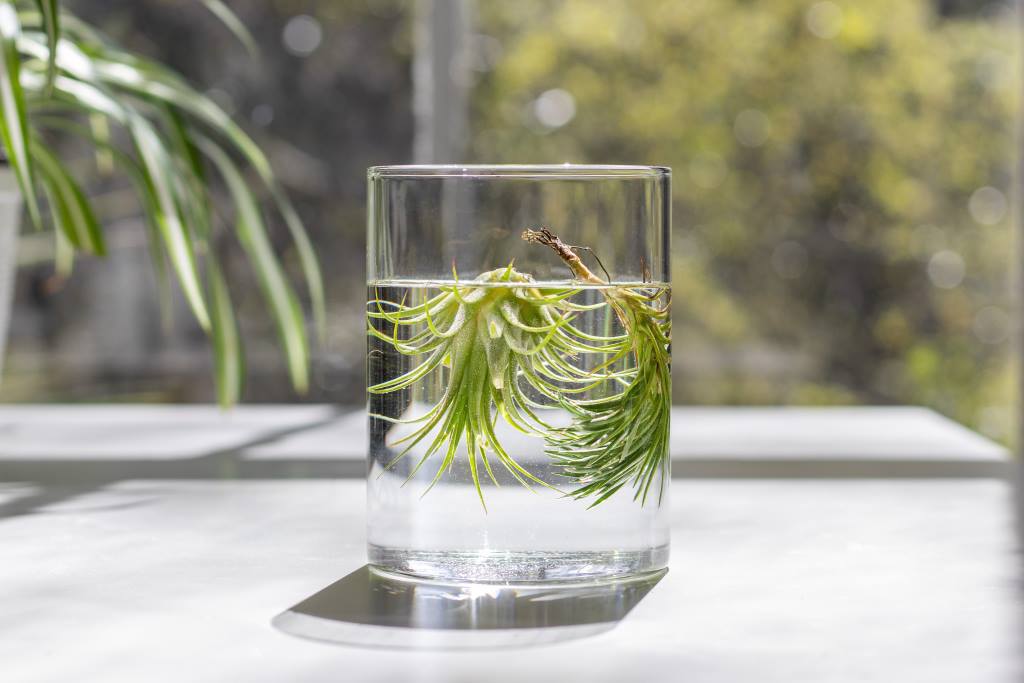
- How to Soak: Fill a bowl with room-temperature water. Submerge your air plant for 20–30 minutes. Use filtered water or rainwater to avoid chemicals.
- Frequency: Water every 1–2 weeks, depending on your climate. Dry environments, like a desert climate, may need weekly soaking.
- Tips: Shake off excess water after soaking. Let plants dry fully within 4 hours to prevent root rot. Place them upside down for better air circulation.
2. Misting Method
Misting works well for delicate air plants like Tillandsia tectorum. It’s great for glass terrariums or cake domes.
- How to Mist: Use a spray bottle or brass mister. Lightly mist the plant 2–3 times a week. Ensure water reaches all leaves.
- Best for: Plants in high-humidity areas or small spaces. Check humidity levels to avoid over-misting.
- Tips: Use distilled water to prevent mineral buildup. Mist in the morning so plants dry by evening.
3. Dunk Method
The dunk method is quick and effective for busy plant lovers. It’s ideal for Tillandsia ionantha or Tillandsia andreana.
- How to Dunk: Dip the plant in a bowl of water 2–3 times. Hold it underwater for a few seconds each time.
- Frequency: Dunk every 5–7 days. Adjust based on signs of under-watering, like leaf curling.
- Tips: Dry plants thoroughly after dunking. Good air circulation prevents rot.
Choosing the Right Water for Air Plants
Water quality matters. Air plants are sensitive to chemicals in tap water or chlorinated water.
- Best Water Sources:
- Rainwater: Natural and chemical-free, perfect for air plants.
- Filtered Water: Removes impurities from tap water.
- Distilled Water: Safe but lacks nutrients, so use sparingly.
- Aquarium Water: Can work if free of fish waste or chemicals.
- Pond Water: Avoid due to potential bacteria or pollutants.
- Water to Avoid:
- Tap Water: Often contains chlorine, harmful to air plants.
- Chlorinated Water: Can damage leaf scales over time.
Pro Tip: Let tap water sit for 24 hours to reduce chlorine. Test water quality if unsure.
Discover Also:
Best Time to Transplant Peony: Tips for a Blooming Success
Lawn Care for Beginners: Maintenance Tips and Mistakes to Avoid
Creating the Perfect Watering Schedule
No one-size-fits-all watering schedule exists. Factors like climate, plant type, and environment play a role.
- Dry Environments: Water weekly. Desert climates need frequent soaking or misting.
- Humid Areas: Water every 10–14 days. High humidity reduces watering needs.
- Frost-Free Climates: Adjust based on seasonal changes. Winter may need less frequent watering.
Signs of Under-Watering:
- Brown leaves or tips.
- Leaf curl or leaf curling.
- Dry, brittle texture.
Signs of Over-Watering:
- Soft, mushy leaves.
- Root rot or black spots.
- Mold growth.
Example Schedule:
- Tillandsia xerographica: Soak every 10 days, mist twice weekly.
- Tillandsia capitata: Dunk weekly, mist lightly mid-week.
- Tillandsia tectorum: Mist 3–4 times weekly, avoid soaking.
Setting Up the Ideal Environment
Air plants thrive with proper care beyond watering. Light, air, and mounting surfaces matter.
Light Needs
Air plants love indirect sunlight or full-spectrum fluorescent light.
- Place near a bright window with filtered light.
- Use full-spectrum light bulbs for indoor setups.
- Avoid direct sun to prevent leaf burn.
Air Circulation
Good air flow prevents rot and promotes drying.
- Place plants in open spaces or near fans.
- Avoid sealed containers like glass terrariums without ventilation.
- Shake off water after soaking for better drying.
Mounting and Display
Air plants look stunning on creative mounts.
- Cork Mounts: Secure with hot glue gun or Liquid Nails.
- Decorative Terrariums: Ensure air flow to avoid moisture buildup.
- Cake Domes: Great for display but need regular airing.
Fun Fact: A 2024 survey by the American Horticultural Society found 65% of air plant owners use them in table settings for events.
Common Watering Mistakes to Avoid
Even experienced plant lovers make mistakes. Here’s how to avoid them.
- Over-Watering: Too much water causes rot. Always dry plants fully.
- Using Poor Water Quality: Tap water harms plants. Stick to filtered or rainwater.
- Ignoring Environment: Dry climates need more frequent watering than humid ones.
- Neglecting Drying: Wet plants in low air circulation rot quickly.
- Inconsistent Schedule: Stick to a routine to avoid under-watering.
Troubleshooting Air Plant Issues
Air plants show signs when something’s wrong. Here’s how to fix common problems.
Brown Leaves
Brown tips often mean under-watering or low humidity.
- Increase watering frequency.
- Mist lightly between soaks.
- Check humidity levels; aim for 50–70%.
Root Rot
Over-watering or poor drying causes rot.
- Trim affected areas with clean scissors.
- Reduce watering frequency.
- Improve air circulation.
Leaf Curl or Leaf Curling
Curling leaves signal dehydration.
- Soak plants for 30 minutes weekly.
- Mist more often in dry environments.
- Use rainwater for better absorption.
Scale Insects
These pests harm air plants.
- Remove with a soft brush or cotton swab.
- Mist with diluted neem oil.
- Check plants weekly for recurrence.
Advanced Tips for Air Plant Care
Take your air plant care to the next level with these expert tips.
- Fertilize Sparingly: Use a diluted fertilizer like Epiphytes Delight monthly. Over-fertilizing harms plants.
- Monitor Growth Cycle: Air plants bloom once, then produce pups (baby plants). Adjust watering for mother plants and pups.
- Experiment with Displays: Try mounting on unique surfaces like driftwood or stones for a vibrant look.
- Track Watering: Use a journal to note watering frequency and plant health.
A 2024 experiment by the Royal Horticultural Society tested watering methods. Soaking outperformed misting for Tillandsia ionantha, with 20% faster growth.
FAQs
How Often Should I Water My Air Plants?
Water every 1–2 weeks. Soak or dunk in dry climates, mist in humid ones.
Can I Use Tap Water for Air Plants?
Avoid tap water. Use rainwater, filtered water, or distilled water for best results.
What’s the Best Watering Method for Tillandsia Xerographica?
Soak every 10 days. Mist lightly twice weekly. Ensure full drying.
How Do I Know If I’m Over-Watering My Air Plants?
Look for soft leaves, black spots, or root rot. Dry plants fully after watering.
Can Air Plants Survive in Low Humidity?
Yes, but water more often. Mist or soak weekly to prevent brown leaves.
Conclusion
Watering air plants is simple with the right approach. Use soaking, misting, or dunking based on your plant’s needs. Choose rainwater or filtered water for best results. Stick to a consistent schedule and ensure good air circulation. Avoid common mistakes like over-watering or using tap water. With these tips, your air plants will thrive, adding life to your space. Start your air plant care journey today—grab a spray bottle and get watering!
Try the soaking method this week. Share your air plant photos on social media with #AirPlantCare!
References:
- University of Florida, “Air Plant Care Study 2023”: https://edis.ifas.ufl.edu
- U.S. Botanic Garden, “Epiphyte Statistics”: https://www.usbg.gov
- American Horticultural Society, “2024 Air Plant Survey”: https://www.ahs.org
- Royal Horticultural Society, “2024 Air Plant Watering Experiment”: https://www.rhs.org.uk
